
Melbourne breaks rank in landmark PTPA settlement
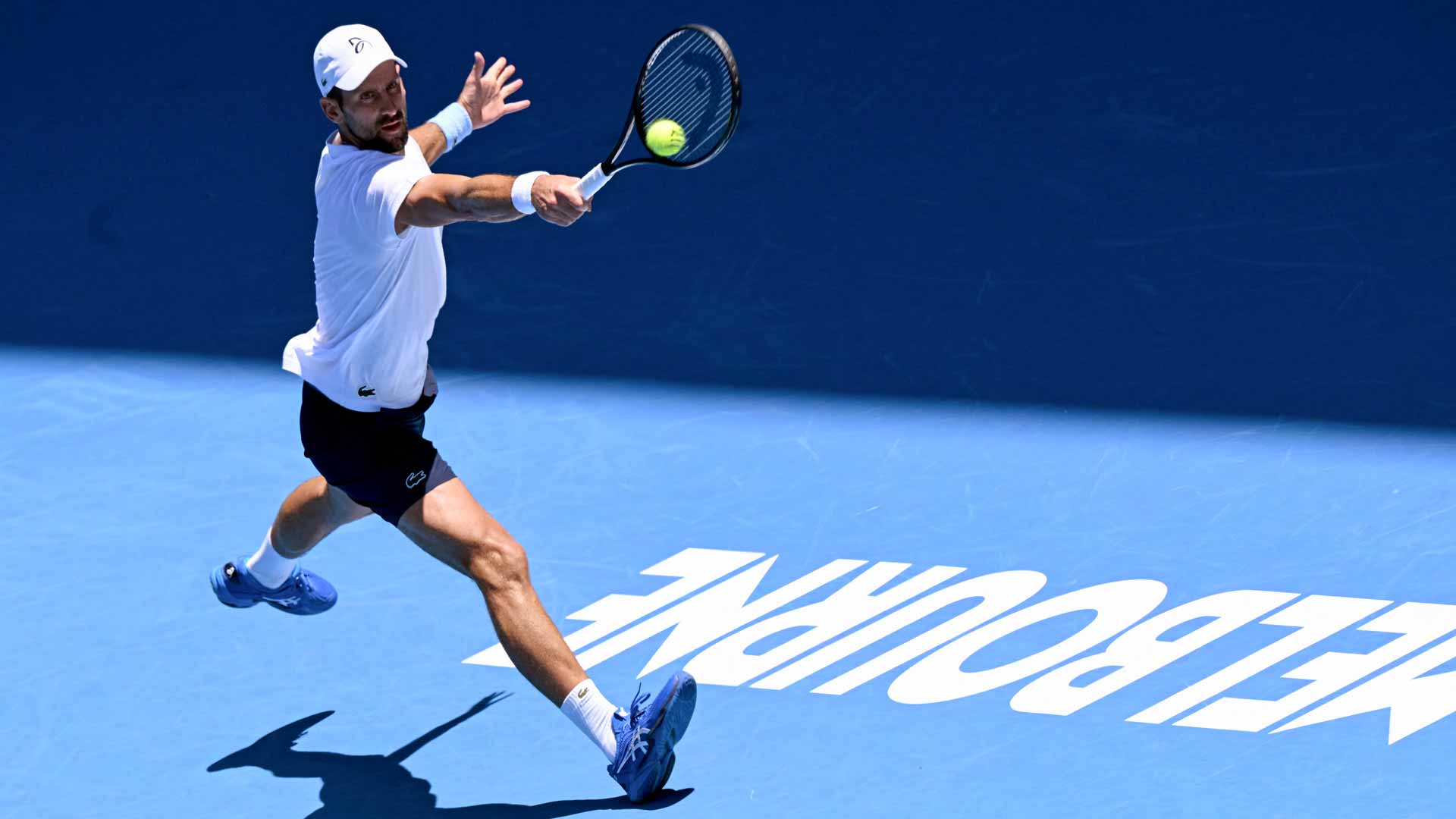
In the sterile, fluorescent-lit hallways of the Southern District of New York, the sport of kings is currently being stripped of its crown.
For decades, Tennis has operated as a decentralized fiefdom, but a single court filing on Tuesday — as first broken by James Hansen of The Athletic — just sent a shockwave through the system that could fundamentally rewrite the game’s DNA.
Tennis Australia, the powerhouse behind the Australian Open, has broken rank.
While the rest of the sport’s establishment — Wimbledon, the U.S. Open, and Roland Garros — dug their heels in with fresh motions to dismiss, the Australians quietly reached a settlement with the Professional Tennis Players’ Association (PTPA). By 2026, they expect to have a finalized peace treaty.
It is the first major crack in the “cartel” wall, and for those of us who have watched the friction between players and suits reach a boiling point, it feels like the beginning of a New World Order.
To understand why this settlement is such a tectonic shift, you have to look at the language of the lawsuit itself. The PTPA, which is an organization spearheaded by Vasek Pospisil and Novak Djokovic, has accused the ATP and WTA of poor management and labeled the sport’s governing bodies a “cartel.”
The allegations are a laundry list of modern player misery:
- Artificially Capped Earnings: Majors generate billions, yet player prize money often hovers at a mere 15 to 22 percent of revenue.
- The “Indenture” of Independent Contractors: Players are technically “freelancers” but are bound by entry rules and a 45-week schedule that leaves bodies broken.
- The 3 A.M. Crisis: A schedule so bloated that stars like Carlos Alcaraz and Iga Swiatek have spent the year warning about mental and physical burnout.
While the ATP and WTA have dismissed the suit as “baseless” and “meritless,” Tennis Australia’s decision to settle suggests they’d rather build a bridge than pay a legal team to defend a burning bridge.
The optics of Tuesday’s filings were stark. On one side of the ledger, you have Tennis Australia working toward a “memorialized” partnership with the PTPA.
On the other, the French Tennis Federation and the All England Club are arguing that U.S. courts shouldn’t even have jurisdiction over them. Meanwhile, the USTA is trying to force certain players into private arbitration, essentially trying to keep the dirty laundry out of the public record.
Ahmad Nassar, the PTPA’s executive director, said that he wishes “everyone would make more effort to resolve these matters for the benefit of players, fans, and tournaments alike.” It’s a polite way of saying the other Slams are lagging behind reality.
The situation feels eerily similar to the antitrust battle recently waged by Michael Jordan’s 23XI Racing against NASCAR. In both cases, you have athletes who are independent contractors and the sole reason the “product” exists and demanding a seat at the table and a fairer slice of the pie.
The majors argue that they have to fund “tennis development” in their home countries.
It’s a noble-sounding defense, but it doesn’t quite sit right with players who see an $85 million purse at the U.S. Open and realize it represents a fraction of the total take. They want collective bargaining. They want a pension that reflects the billions they generate.
The Australian Open main draw begins on January 18. Usually, the talk is about court speed or Djokovic’s form. This year, the air in Melbourne will be thick with politics.
By settling, Tennis Australia has secured a quiet summer, free from the shadow of litigation, allowing them to focus on the tennis. But in doing so, they’ve left their three siblings across the ocean looking increasingly isolated. The “cartel” is no longer a monolith, and once one pillar falls, the rest usually follow.