The beautiful burden of the Stan Wawrinka one-handed backhand
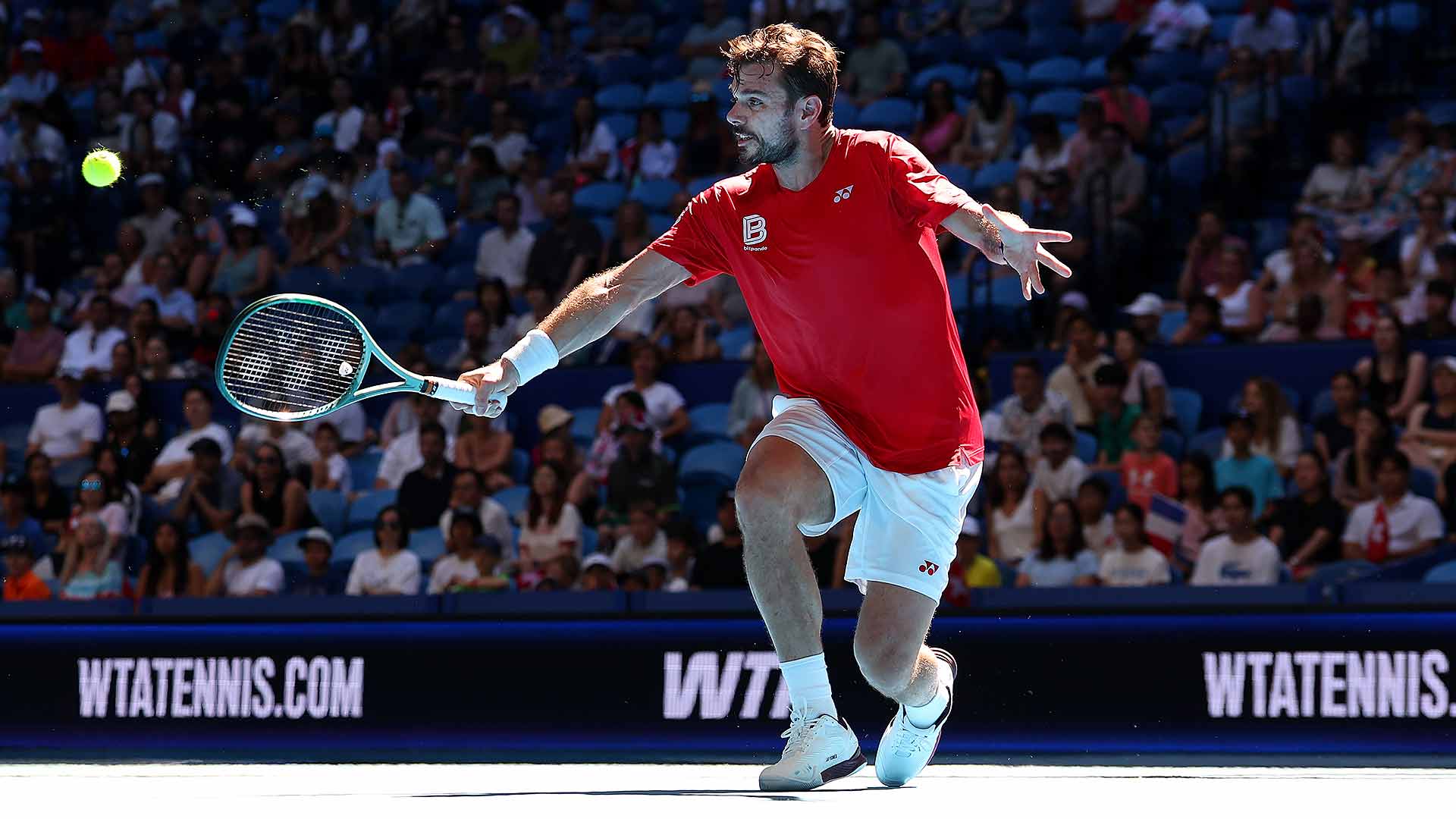
The announcement in Melbourne was not a shock. Rumors of the end have circled Stan Wawrinka for years now. We have known this day was coming since his first major knee surgery.
We watched him grind through the challenger circuit to find his form. We saw him battle back into the top one hundred. The news that 2026 will be his final season is simply the period at the end of a long and storied sentence.
While his retirement is expected the loss of his signature style is still a heavy blow. Wawrinka represents a fading era of tennis. He is a relic of a time when the one-handed backhand was a primary weapon of destruction.
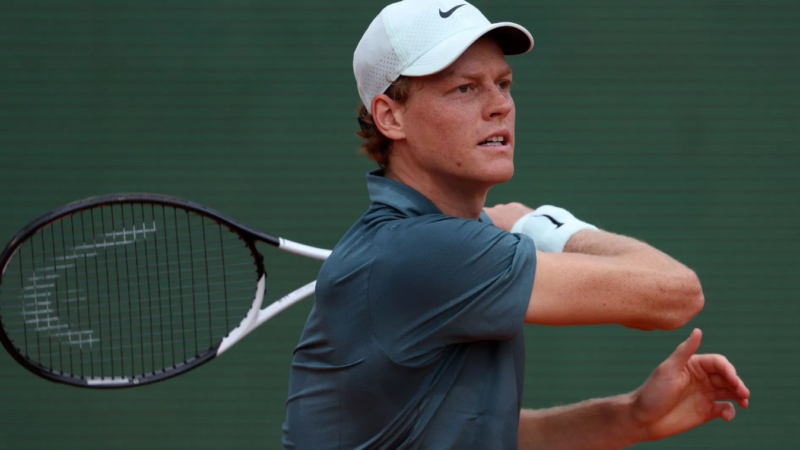
Today the men’s tour is a sea of two-handed efficiency. Modern players like Jannik Sinner and Carlos Alcaraz use the double-fisted backhand to absorb pace and redirect power with clinical safety.
Against that backdrop Wawrinka remains an outlier.
He never played for safety. He played for impact. His backhand is a violent uncoiling of the entire body. It is a stroke that requires the shoulder to bear the weight of the world. In a world of carbon-copy baseline grinders Stan remains a master of the classic craft.
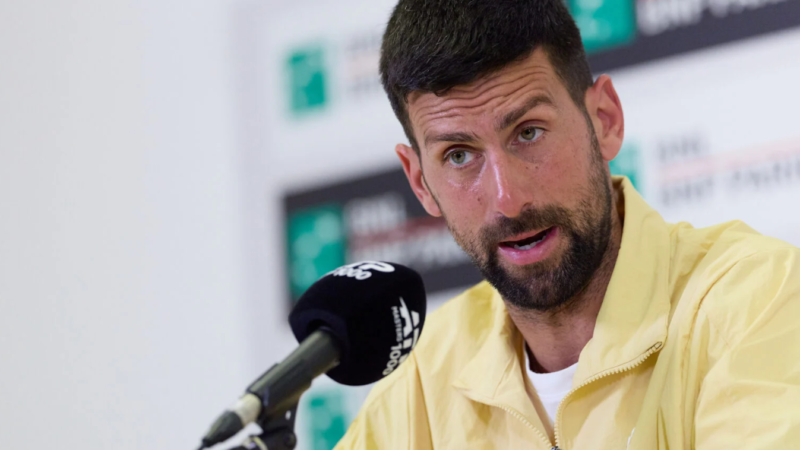
A journalist in the Melbourne press room asked if that single-handed wing ever felt like a weight around his neck. They wondered if the physical demands of the shot became a hindrance in his later years. Stan rejected the idea entirely.
“But I did enjoy it that that shot and that back end gave me a lot of of match it helped me a lot to to achieve things I wanted to achieve,” Wawrinka said.
For the man they call Stan the Man the shot was the source of his greatest joys. It was the tool that allowed him to blast through the defenses of Novak Djokovic.
It was the reason he could stand toe-to-toe with the Big Three and win three different Grand Slam titles. Even as the game around him became faster and more physical he stayed true to his mechanical roots.
“For me the the passion of the game the enjoyment of having one and back end or not was was the same younger or or later,” he explained.
That consistency of spirit is what makes the impending loss so nostalgic. When Stan leaves the tour we lose the most iconic sound in tennis. There is a specific crack that happens when he connects.
It is not the ping of a modern racquet. It is a deep and resonant thud. It is the sound of total commitment to a single point in space.
He knows that the physics of the sport are shifting against him. He knows that his body does not react the same way it did a decade ago. He is currently ranked 130 in the world and the climb back to the top is over. “Of course when you pass 30 45 it became more difficult,” he admitted.
Yet he persists because the craft still provides him with a sense of purpose. He is not out there to chase a number or a specific trophy. He is out there because he still wants to see how well he can strike the ball.
“At the end of the day like I was saying I always try to push my own limit trying to be the best version of a tennis player I could be,” he said.
“As long as you are honest with yourself and you know what you can achieve and and where you want to go the the passion still still going to be there,” he told the room.