Carlos Alcaraz opens up on ‘mutual’ split with coach Juan Carlos Ferrero
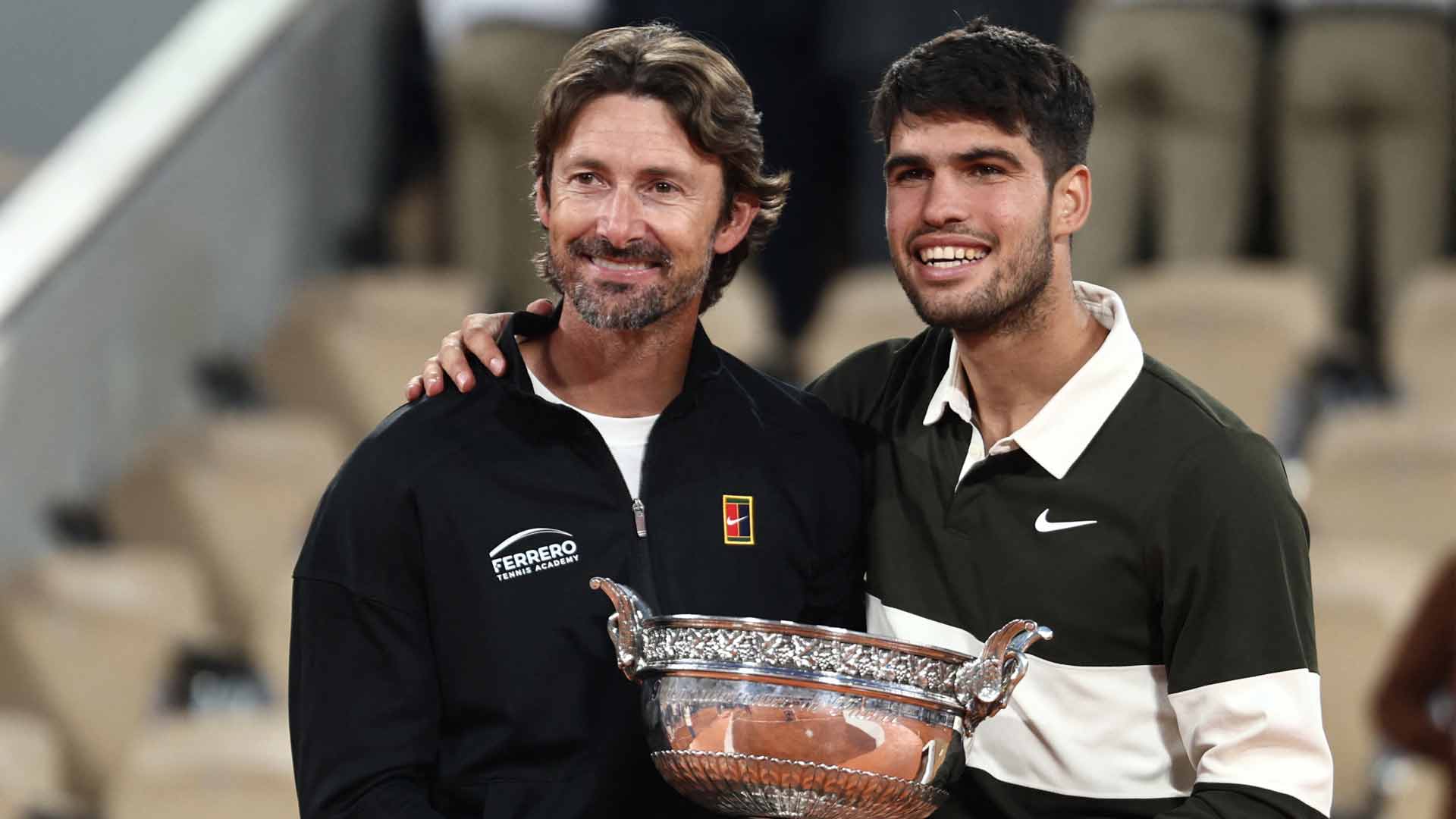
As Carlos Alcaraz sat before a room of journalists in Melbourne, the air was thick with a question that had been vibrating through the tennis world for weeks. It wasn’t about his forehand or his fitness, but about the absence of the man who had been his shadow since he was fifteen years old.
Juan Carlos Ferrero, the former player and the architect of the Alcaraz phenomenon, was gone.
For the first time at a major, Alcaraz is navigating the labyrinth of a Grand Slam draw without the familiar, stern gaze of “Mosquito” in his player box.
To the outside world, the split seemed seismic. A partnership that yielded two Grand Slam titles and a World Number 1 ranking being dismantled just as the 2026 season dawned.
Yet, Alcaraz addressed the shift with the same poise he uses to track down a drop shot, describing the end of their professional relationship not as a fracture, but as a natural conclusion.
“I think chapter of life that is there is a time that has has to be has to be end,” Alcaraz explained, choosing his words carefully. The phrasing suggests a sense of inevitability rather than a sudden dispute.
In an era where coaching splits are often marred by cryptic social media posts or behind-the-scenes drama, Alcaraz’s explanation leaned toward the philosophical.
“We decided like like this,” he added, emphasizing the collaborative nature of the separation. “Internally we we decided we decided like this. We close this this chapter in mutual.”
The narrative of Alcaraz’s career has been intrinsically tied to Ferrero. When the teenager first walked into the Equelite Academy in Villena, he was a raw talent with more shots than discipline. Ferrero didn’t just teach him how to hit a ball; he taught him how to be a professional.
Now, as a seasoned champion, Alcaraz is stepping out into the sun alone, acknowledging that he is a product of that intensive seven-year mentorship. “I’m really grateful for this seven years I’ve been with with Juan Carlos,” he said. “I learned I learned a lot, probably thanks to him I’m the player that I am right now.”
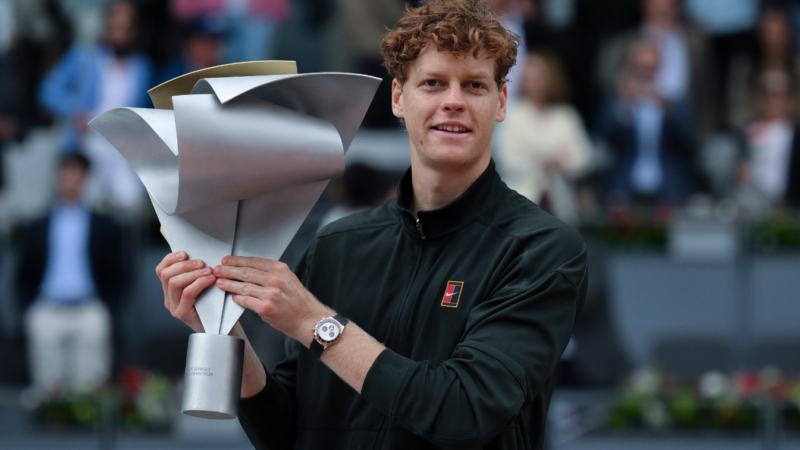
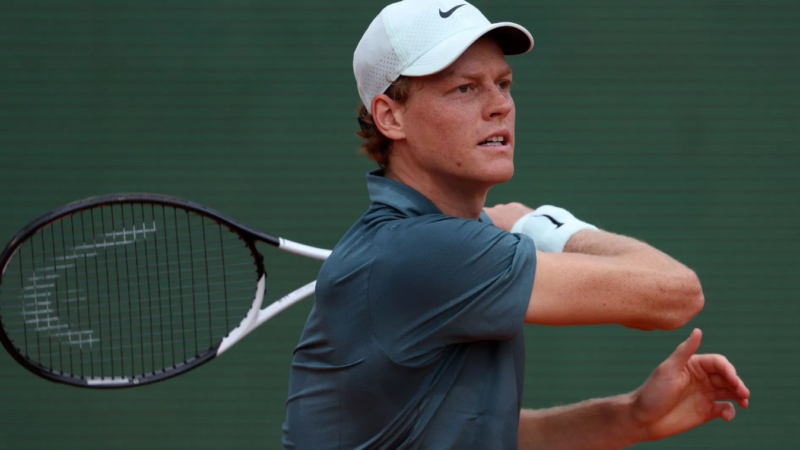
The shift in Alcaraz’s camp is particularly striking when compared to his contemporaries. While Jannik Sinner leans on the “dad figure” of Darren Cahill, Alcaraz is entering a phase of self-governance. He was quick to clarify that while one face is missing, the foundation remains solid.
“I just I just build my my team which is the same as I’m having, you know, last last year except with with Juan Carlos,” he noted. The subtext, however, is clear. The training wheels aren’t just off; they’ve been discarded entirely.
Despite the professional conclusion, the personal bond remains intact — a rarity in the high-stakes world of the ATP Tour. “We both are still friends, good relationship,” Alcaraz assured the room. But the tennis world knows that “good relationships” don’t win trophies. Technical precision and mental fortitude do.
The true test of this “mutual” decision will be found on the blue hard courts of Melbourne Park.
Alcaraz described his pre-season as a period of intense focus, asserting that the routine hasn’t flickered despite the vacancy in his coaching chair. “I have the same team that I had last year. Just one member missing,” he said. “We didn’t change you know, the the routine at all.”
As he prepares to chase the career Grand Slam in Melbourne, there is a sense that Alcaraz is no longer a student waiting for a signal from the stands. He is a master of his own craft, ready to author a new volume of his career.
The symphony they played together for seven years has reached its final note, and the silence it leaves behind is not one of emptiness, but of anticipation. Carlos Alcaraz is ready to hear his own voice.