How Amanda Anisimova mastered the art of the mental break
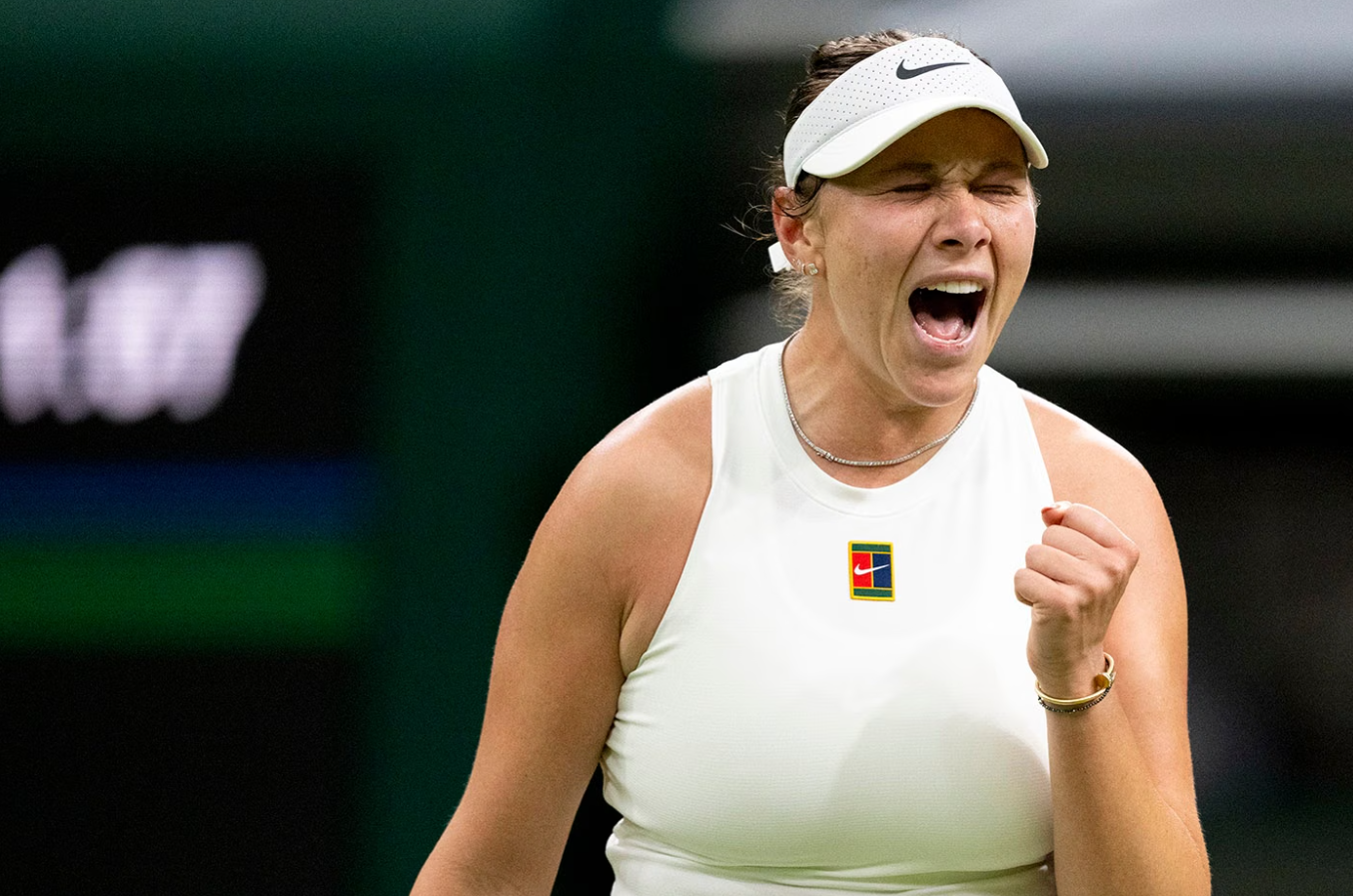
Melbourne Park is usually a place of high-octane anxiety, a sprawling complex where the “daily grind” of the professional circuit meets the sweltering heat of a January summer.
But as Amanda Anisimova sat before the press ahead of the 2026 Australian Open, there was a noticeable stillness about the World No. 4.
Only two years ago, Anisimova was the poster child for the sport’s relentless burnout.
After a meteoric rise as a teenager, the New Jersey native hit a wall in 2023, stepping away from the tour indefinitely to find herself again. Today, she isn’t just back; she is arguably the most psychologically grounded player on the WTA Tour.
For Anisimova, the journey back to the top has been about knowing when to stop. While many of her peers arrived in Melbourne complaining of the sport’s notoriously short off-season, Anisimova greeted the room with the calm of someone who has mastered the internal calendar.
“I think the most important thing is that you stay healthy,” Anisimova told reporters when asked about the grueling nature of the schedule. For her, “healthy” is a holistic term that encompasses the mind just as much as the hamstrings.
The modern tennis landscape is a treadmill that rarely slows down. From the first week of January in Australia to the late-autumn indoor swings in Europe and Asia, the pressure to defend points is constant. Yet, Anisimova has become the “Reset Queen” by rejecting the myth that visibility equals success.
Reflecting on her sensational 2025 season — a year that saw her claim a WTA 1000 title in Doha and reach the finals of both Wimbledon and the US Open — Anisimova was quick to point out that her success was born from restraint.
“I made sure to, you know, take breaks when I needed them and, um, skip certain weeks if I needed to, um, if I needed just like a mental and physical reset which is really important,” she explained. “I was really able to prioritize that last year, I think. So I had a really good balance.”
This “balance” is her competitive advantage. While other players arrive at Grand Slams running on fumes, Anisimova arrives “refreshed.” It is a radical philosophy in a sport that often equates suffering with stamina.
One of the most striking aspects of Anisimova’s transformation is her refusal to let tennis consume her entire identity. During her initial eight-month hiatus in 2023, she traded baseline drills for painting, road trips, and “living a normal life for a bit.”
That perspective has stayed with her even as she has climbed back to the elite top five. Even her short 2025 off-season was handled with a specific kind of intentionality. While some players took up boxing to stay sharp, Anisimova chose a path of radical simplicity.
“I just, uh, tried to understand what I wanted to work on with, you know, the four weeks that I had or five weeks and how we were going to get the most out of the training,” Anisimova said. “And I made sure to not take my time at home for granted, so every single day, um, I really tried to appreciate just the time that I had because it was pretty short.”
As she prepares to chase her first Grand Slam title this fortnight, the expectations are higher than ever. To the outside world, she is a favorite. To Anisimova, she is a woman who has already won the most important battle. The one for her own well-being.