Novak Djokovic breaks silence on PTPA exit: “The system is failing us”
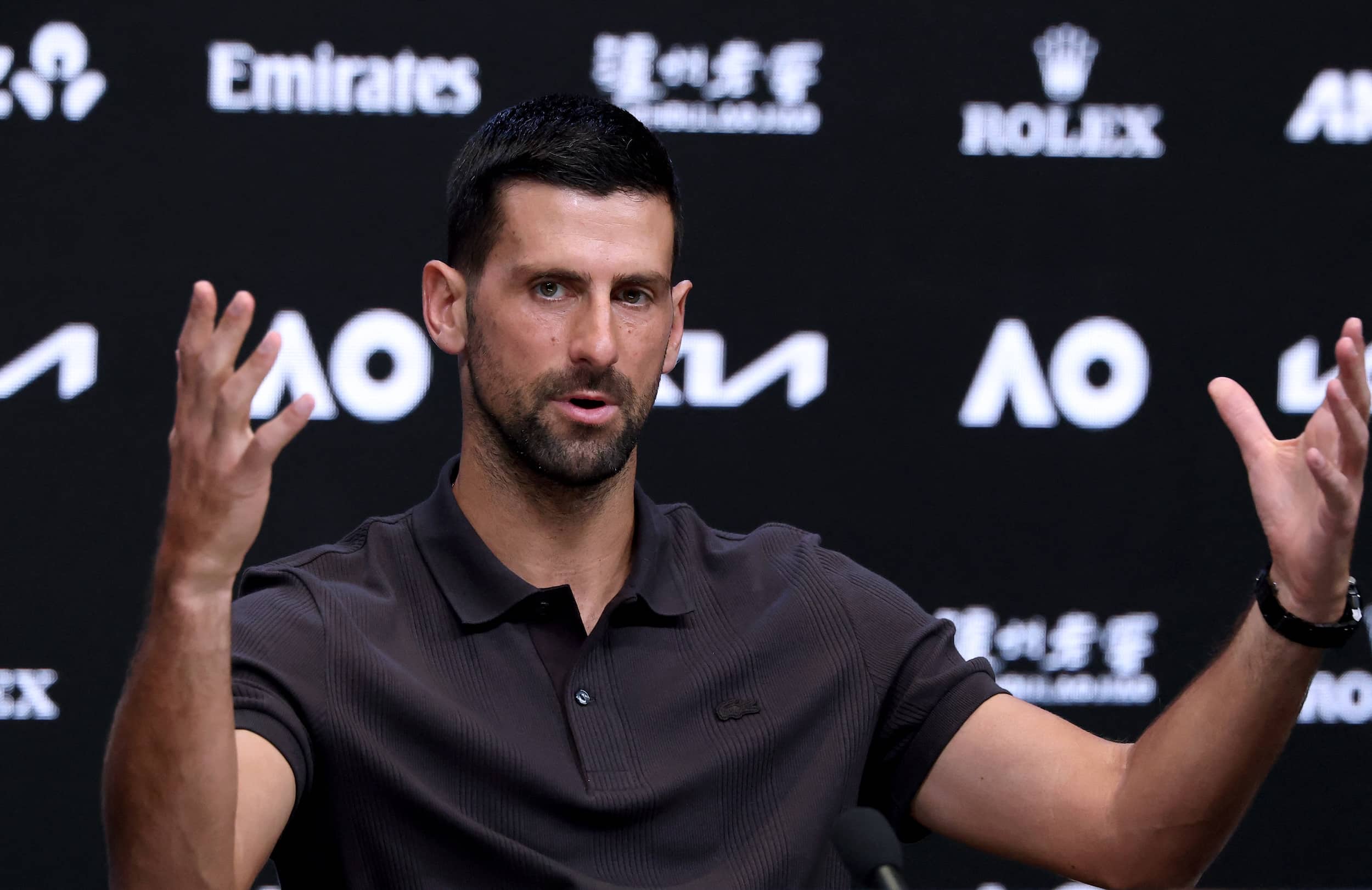
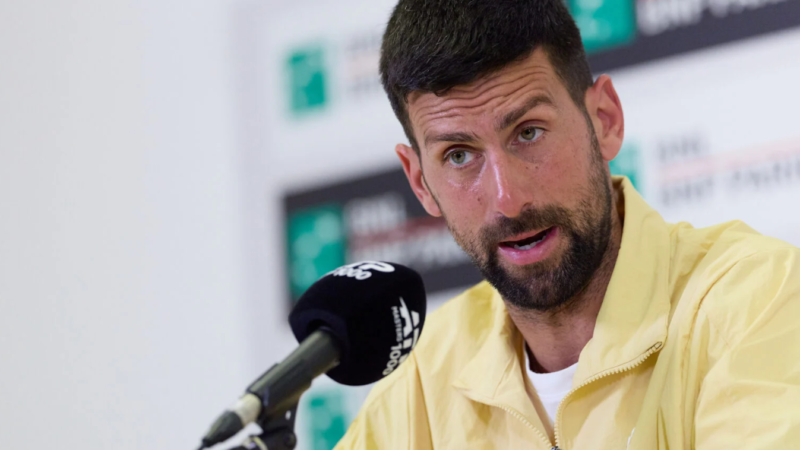
Novak Djokovic, a man who has spent twenty one years stalking the Melbourne Park corridors, sat at the press conference dais looking less like a champion and more like a statesman weary of the politics that haunt the locker room.
When the question of the Professional Tennis Players Association (PTPA) was raised, the ten-time champion didn’t offer a rehearsed platitude. Instead, he pulled back the curtain on a messy divorce from the very organization he helped birth.
It was 2020 when Djokovic and Vasek Pospisil stood on a practice court in New York, a group of players behind them, declaring independence from the ATP’s player council. It was supposed to be a revolution.
But in Melbourne this week, Djokovic admitted that the dream has hit a wall of reality. For the first time, he articulated the deep-seated friction that led him to step away from the leadership of the movement he started.
“I felt like my name was used, overused in, you know, pretty much every single, um, article or communication channel and I felt like people whenever they think about PTPA they think it’s my organization, which is a wrong idea from the very beginning,” Djokovic explained.
For Djokovic, the PTPA was intended to be a shield for the voiceless — the hundreds of players ranked outside the top 100 who struggle to break even. He spoke with a lingering fire about the economic disparity that continues to plague the sport.
“We sit here and we talk about, you know, multi-million dollar prize money, you know, winner check, but we don’t talk about the base level and that’s where the struggle is real,” he said.
However, the “stronger player voice” he envisioned became muffled by the very celebrity he brought to the table. He realized that as long as he was the face of the PTPA, the organization would be viewed as a personal vehicle for the world number one rather than a collective union.
But the issues went deeper than branding. There was a fundamental shift in the cockpit that Djokovic could no longer ignore. “I also didn’t like the way the leadership was taking the direction of the PTPA and so I decided to step out,” he revealed candidly.
This admission of an internal rift suggests that the “revolution” had moved away from its grassroots origins, moving toward a corporate or litigious strategy that the Serb found himself at odds with.
The breaking point appears to have been a lawsuit in Miami in March of the previous year.
For a man who has often been the lightning rod for controversy, Djokovic drew a firm line at legal action he didn’t believe in. “I didn’t agree with everything that was in there and I decided not to be one of the player plaintiffs. So that was also one of the big reasons,” he noted.
Despite the exit, Djokovic is not returning to the establishment with his tail between his legs. His critique of the ATP’s governance remains as sharp as a cross-court backhand. He spent years as the president of the ATP Player Council and came away convinced that the house cannot be fixed from the inside.
“I know how system works and I still have the opinion that the, the system is failing us and I think it has to change in terms of the structure, in terms of the how it’s, how it’s set up, how it’s led,” he insisted.
As he prepares to chase another title in the twilight of his career, Djokovic finds himself in a strange purgatory. He is a man who still believes there is “a need for 100% players only representation organization existing in our ecosystem”, yet he no longer has a seat at the table he built.
He left the PTPA hoping it would “thrive, to exist, to grow, to develop,” but his parting words carried a heavy note of skepticism about its current state: “I don’t see it as clear as it was in 2020, you know, but you know, let’s see”.