Trailblazer Alexandra Eala makes history despite heartbreak in Melbourne
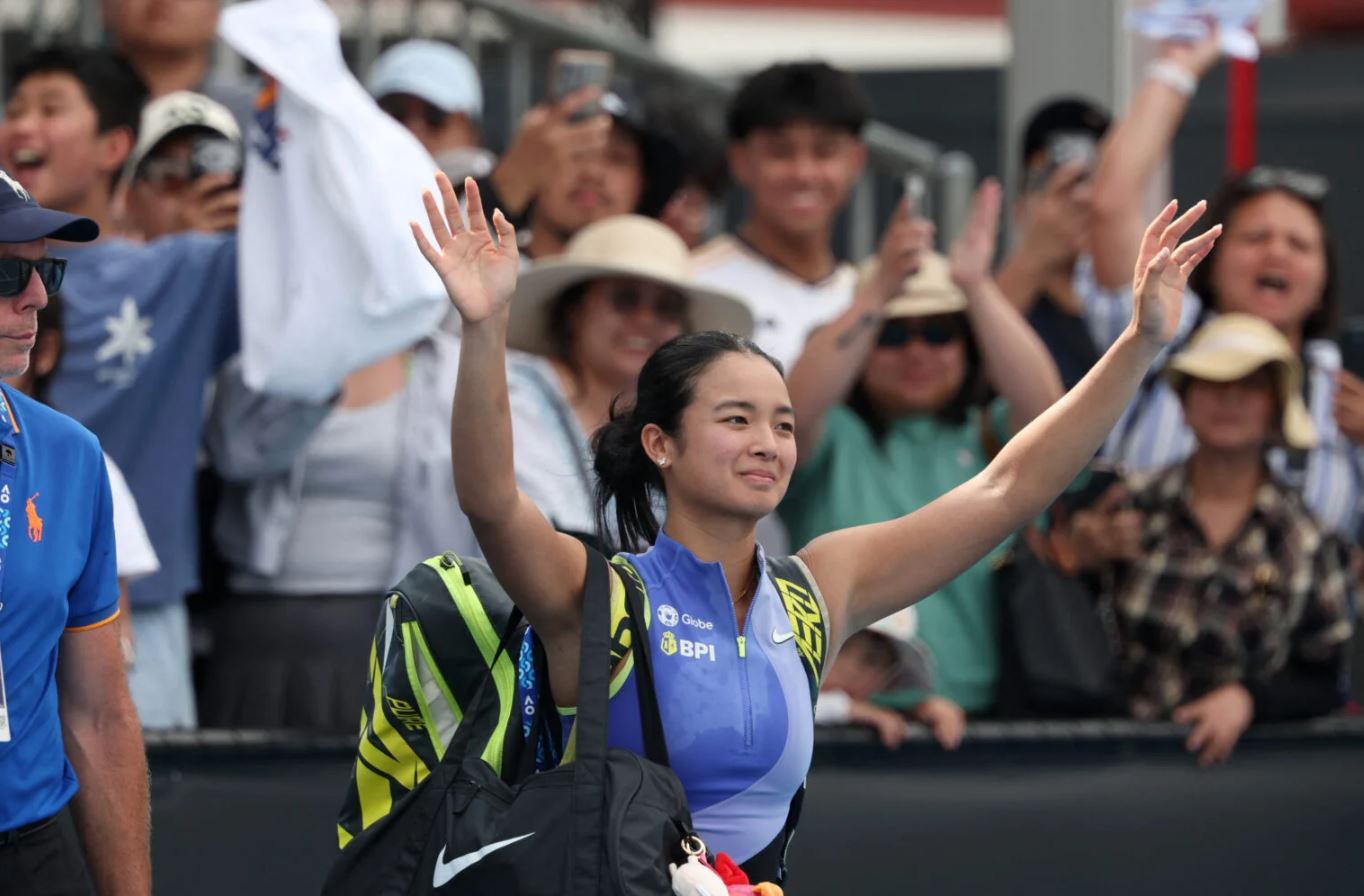
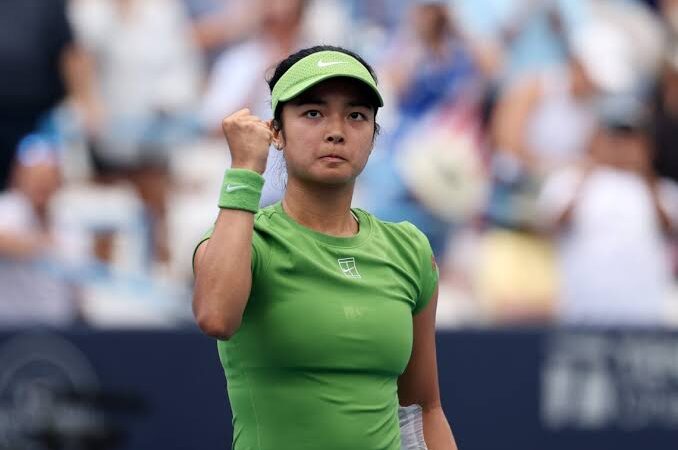
The humidity of Melbourne Park usually brings a specific kind of tension, but on Court 6, it brought a celebration. For most players, a first-round exit is a quiet affair. A quick pack of the bags and a lonely walk to the locker room. But for Alexandra Eala, there is no such thing as a quiet exit.
As she sat before the press following her hard-fought battle, the 20-year-old looked less like a defeated athlete and more like a pioneer who had just realized exactly how many people were following her trail.
“I think it’s only normal that with a loss comes disappointment and and being upset but then again it’s another opportunity for me to take and learn um and grow as a player,” Eala said, her voice steady despite the raw sting of the match.
The match itself was almost secondary to the atmosphere surrounding it.
For hours, fans draped in the blue, red, and yellow of the Philippine flag had been “squeezing into” the stands, creating a localized earthquake of support that caught tournament organizers by surprise. Court 6, a “cozy court” by Eala’s own description, was never going to be enough.
“It was so heartwarming and I think that’s one of the things that makes a loss like today a little bit harder is that I know a lot of people were rooting for me,” Eala reflected. “I felt so loved even when I was 5-2 down in the third you know, still felt the love.”
Being the “only Filipina in the draw this year” and, as she noted, “the only Filipina that’s ever been in the draw,” Eala carries a unique weight. She isn’t just playing for ranking points; she is the physical manifestation of a nation’s tennis dreams.
It is a burden that could easily crush a younger player, but Eala has developed a mental armor that involves a pair of headphones and a strict philosophy of “compartmentalizing.”
“I’m big on compartmentalizing,” she explained. “I think there’s a time uh for each of those things. I think walking into the court and right you know before or during the match is not the time for you to to look at the quote unquote big picture.”
When she walks through the grounds, she is often wearing headphones. Not just for the music, but to maintain a “safe space” in the middle of a whirlwind.
“You can really snuggle with some people over there and they start to talk to you but they sometimes they don’t understand that you’re in the zone,” she said with a smile. “So I feel like headphones kind of gives that message.”
That “zone” is necessary because the numbers surrounding her are, quite frankly, astronomical.
During the press conference, it was pointed out that her pre-tournament interviews were clocking over 170,000 views, leaving the likes of Novak Djokovic and Carlos Alcaraz in her digital wake. While she insists she is “nowhere near the leagues” of those greats, she acknowledges the gravity of her platform.
“I like to think that I have a following for a reason,” she said. “And I like to think that the impact that I I’ve had and and the platform that I’ve built um has a positive effect on on a certain demographic and my my demographic.”
For the Filipino community, Eala along with being a tennis player is also a cultural touchstone.
Whether she is in Melbourne or New York — the two cities she identified as having the “bigger Filipino turnout” — the support is vocal, visible, and unconditional. It is a level of fame that she admits was “a bit overwhelming” during her practices this week, but it is one she is greeting with a “spoonful of gratitude.”
As she prepares for her doubles match tomorrow, the singles loss is already being processed through her “learning process.” She isn’t dwelling on the scoreboard, but on the journey that brought her from the SEA Games to the main draw of the Australian Open.
“There are moments after the match when you walk off and you realize that there’s so many people and they give so much love and then you reflect on it and then you—it helps cushion the loss I guess,” she said.