Novak Djokovic defends rising stars in Australian Open scheduling row
The Australian Open has always billed itself as the “Grand Slam of Asia-Pacific,” but in 2026, that slogan is being tested by the sheer weight of a changing demographic.
As the sun beat down on Melbourne Park this week, a familiar debate resurfaced. How does a tournament with a finite number of “Show Courts” honor the explosive global interest in rising stars from non-traditional tennis markets?
The conversation reached a boiling point following the scheduling of Alexandra “Alex” Eala. The young star, carrying the hopes of the Philippines — a nation of over 110 million people — found herself tucked away on the outer courts despite a following that rivals many of the tour’s established top-ten mainstays.
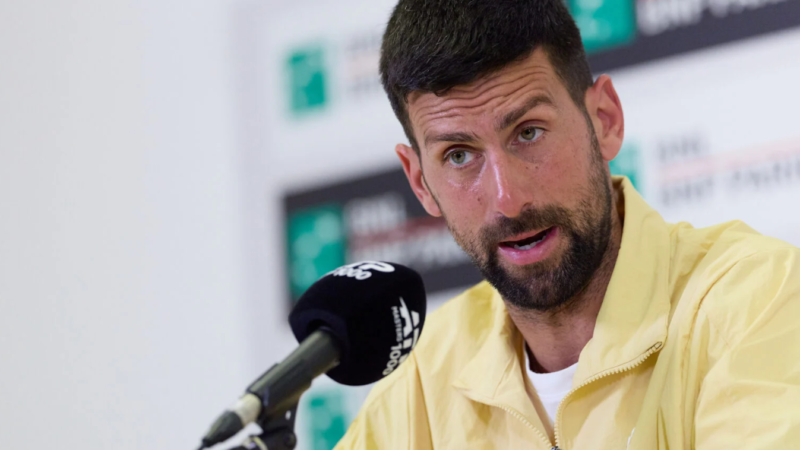
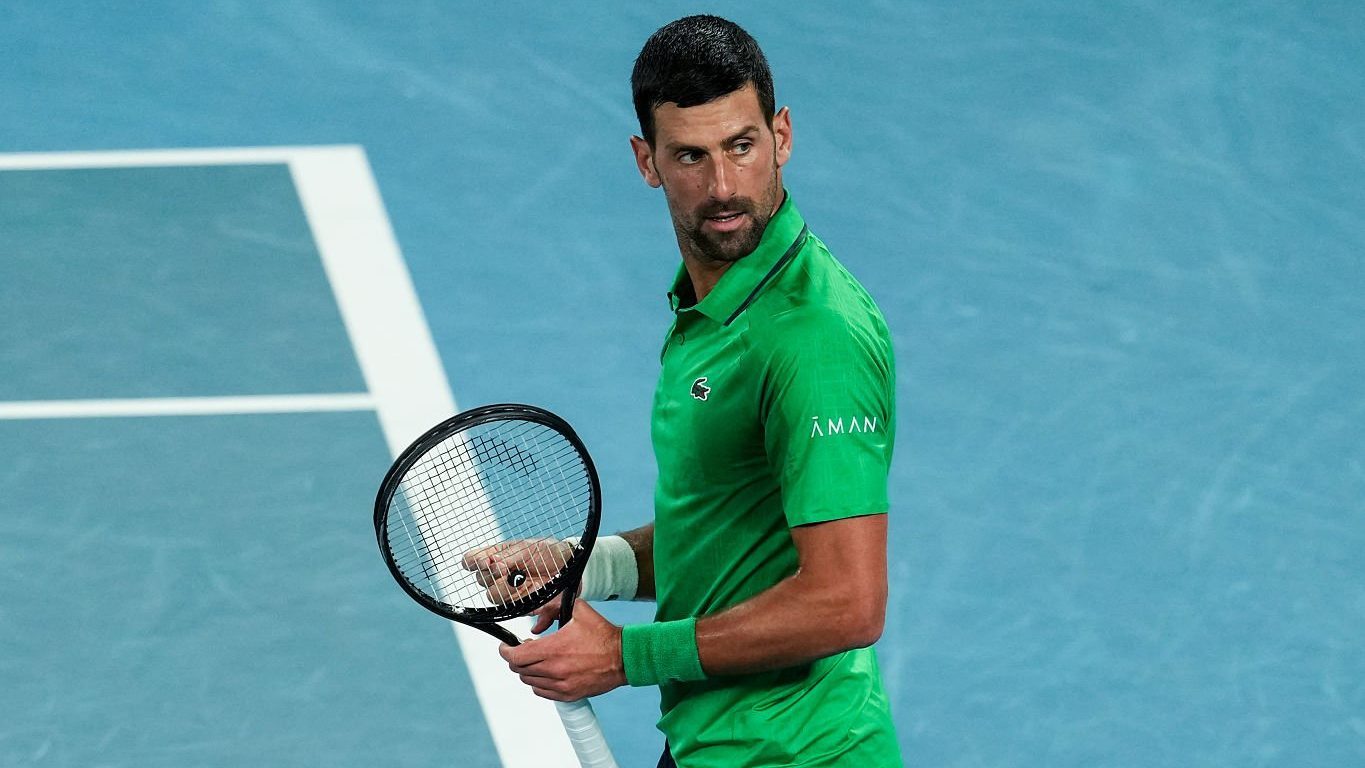
When Novak Djokovic walked into his second-round press conference, fresh off a clinical victory, he didn’t shy away from the logistical “push-pull” that defines the modern era of the sport.
“That’s been a talk and which is understandable,” Djokovic noted, acknowledging the friction between tournament tradition and the new digital-first reality.
“You know there’s some players coming from respective countries like she’s coming from Philippines which is now a big deal you know she’s been the biggest ever you know tennis player from from that country which is big country and there’s big interest.”
This is the “Alex Eala Effect”. A phenomenon where a player’s ranking may not yet match their cultural gravity. For a tournament director, the math is brutal.
Do you place a legendary champion on Rod Laver Arena to satisfy the corporate boxes and traditional broadcast partners, or do you hand that prime real estate to a teenager because millions of fans are refreshing live scores in Manila?
Djokovic, a veteran who has seen the tournament evolve from its humbler 2005 roots, views these scheduling headaches not as failures, but as symptoms of a healthy, expanding sport.
“The things like that happen i mean it’s you could argue that it was you know maybe a poor schedule and maybe they could schedule him on a bigger court yes,” he admitted with characteristic bluntness.
However, the 24-time Grand Slam champion was quick to pivot to the broader perspective. In an era where sports leagues are constantly fretting over “engagement” and “market share,” the sight of fans clambering over fences just to catch a glimpse of a first-round match on Court 8 is a luxury.
“But again she’s so young and she’s just coming through so uh and and obviously the first couple rounds the schedule is so packed uh the big courts with big names it’s it’s difficult it’s it’s not easy to manage that,” Djokovic explained.
He knows better than anyone that the hierarchy of tennis is built on a “earn your stripes” mentality, yet he recognizes that the traditional path to the “Big Stage” is being bypassed by global digital demand.
The tension in Melbourne this year reflects a sport at a crossroads. On one side, you have the “veteran of this place,” as one journalist dubbed Djokovic, who remembers when the facilities were so cramped that players had to share gyms with local AFL clubs.
“I remember we were using the gym B as it was called which was across the road… they were all lying the the Australian open to use their facilities,” he recalled.
On the other side, you have the “crowded, too corporate, too commercial” complaints that come with success. Djokovic’s stance is clear. Popularity, even when it causes logistical chaos, is a blessing.
“It’s a good problem to have to be honest you know you just let’s just imagine if if there’s lack of people coming you know or or that stands are empty that’s that’s a bigger problem i mean this is great.”