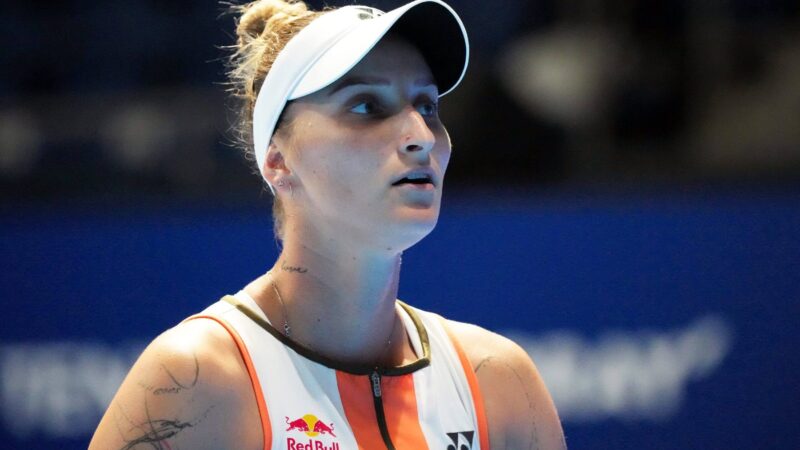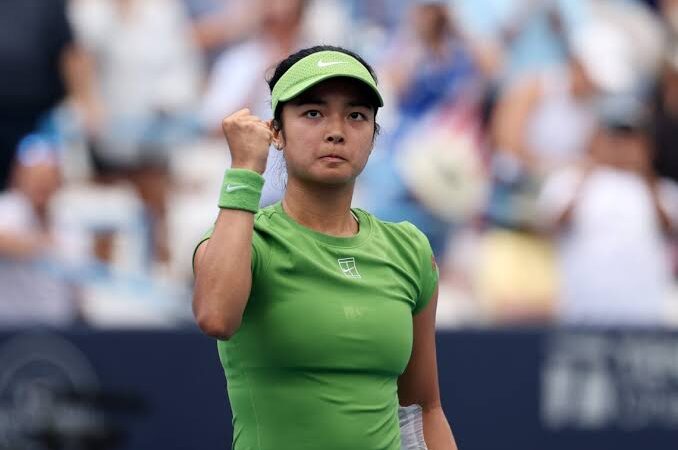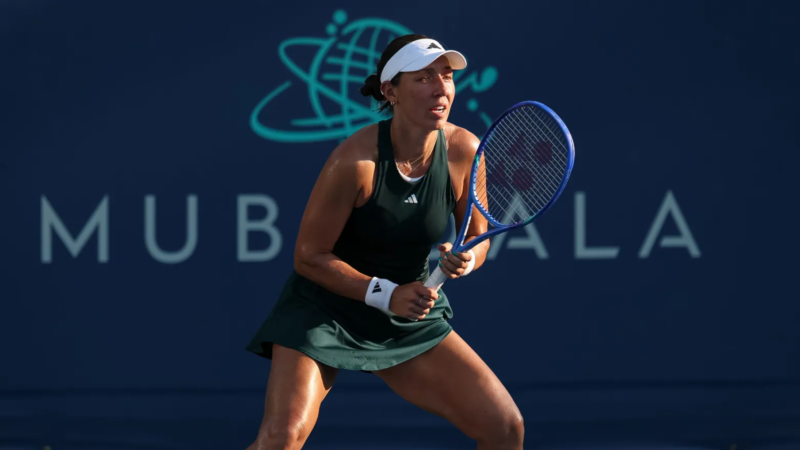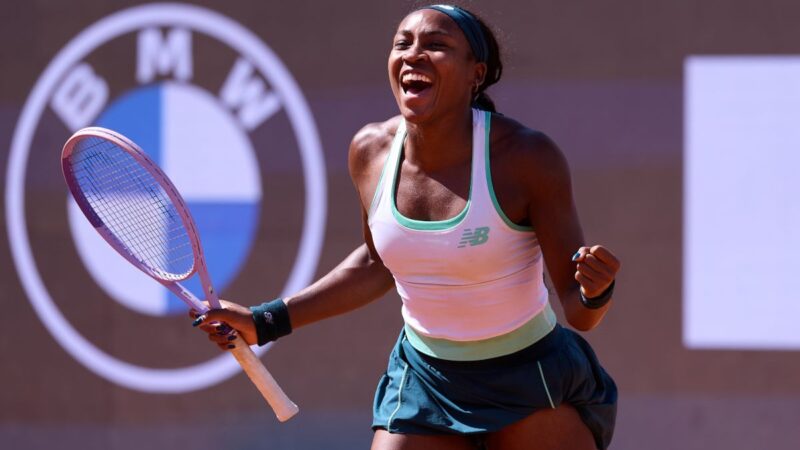
Jasmine Paolini tips her hat to the unshakable mental strength of youth
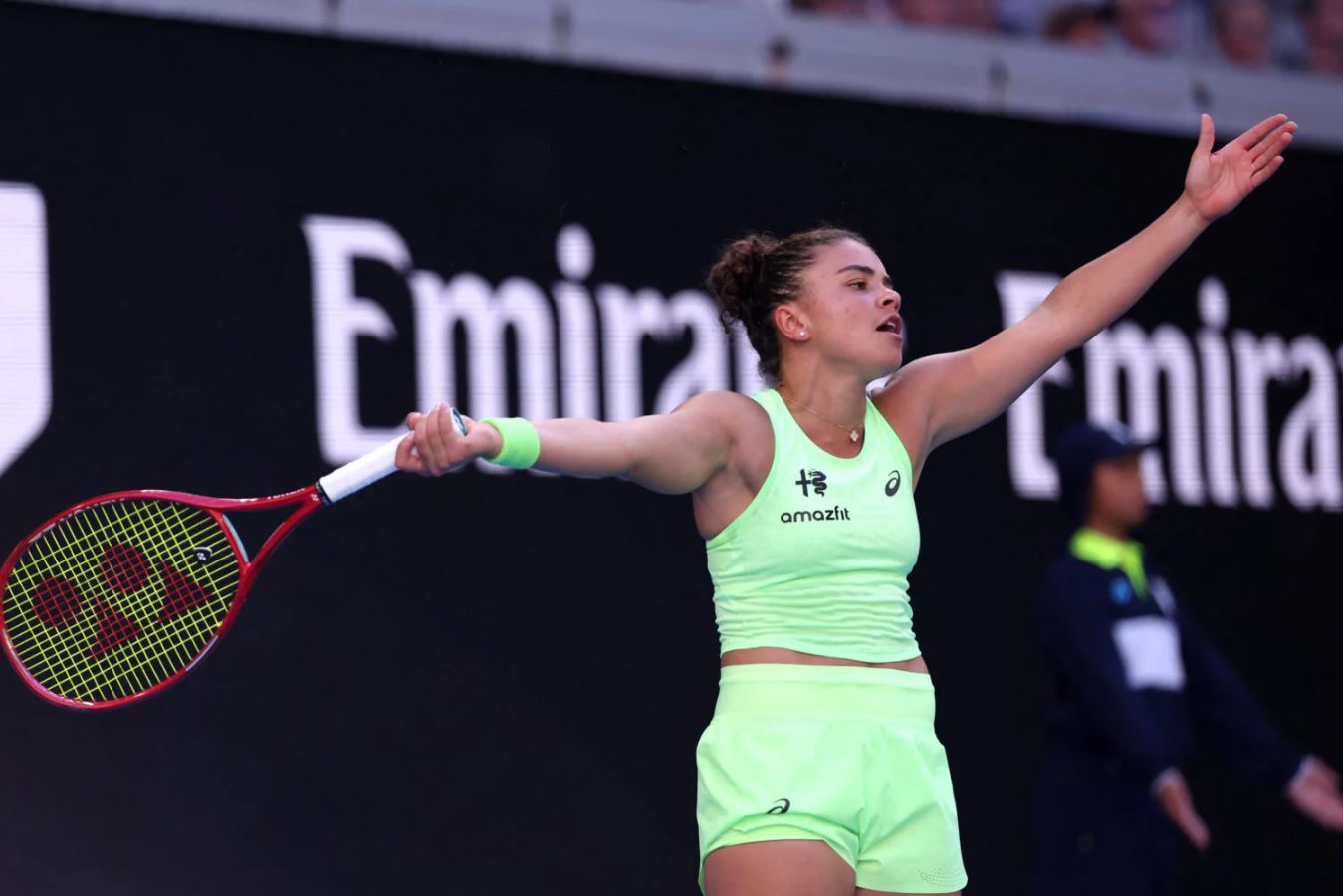
There is a specific kind of silence that follows a Grand Slam exit.
For Jasmine Paolini, that silence was filled not with excuses or tactical deflections, but with a startlingly honest appraisal of a shift in the tectonic plates of women’s tennis.
As she sat before the press in the wake of her 2026 Australian Open third-round defeat, the Italian veteran didn’t just talk about a loss; she talked about a mirror.
In a sport often defined by the physical—the speed of a serve, the depth of a groundstroke—Paolini pointed to something far more intangible. She spoke of a “maturity gap” that is rapidly closing.
The narrative of the young, erratic prodigy is being rewritten by a generation of teenagers who arrive on the world’s biggest stages with the mental fortitude of seasoned champions.
“I think she’s very young, she’s very um tough opponent already, very mature on court,” Paolini reflected, her voice carrying the weight of a player who had spent two hours trying to find a crack in a foundation that simply wouldn’t break.
The match itself was a study in relentless composure. While Paolini struggled with the internal distractions of a physical ailment and the external pressure of a scoreboard moving against her, her opponent remained an island of calm.
It is a terrifying prospect for the established top ten: the realization that the next generation isn’t just hitting the ball harder; they are thinking the game better.
Paolini was candid about the difficulty of the task, noting that her opponent was “not many mistakes uh playing good every every shots basically.” This wasn’t a case of a veteran having an “off” day; it was a case of a veteran being systematically dismantled by a superior level of discipline.
When Paolini looked across the net, she didn’t see a “young player” prone to the emotional ebbs and flows of youth. She saw a wall.
“I think she has a really bright future ahead,” Paolini added, a sentiment that felt less like a platitude and more like a warning to the locker room.
The evolution of the “Young Gun” has reached a new phase. In previous decades, a veteran could often rely on “craft”—the ability to use variety, junk balls, or psychological pressure to induce a meltdown in an inexperienced teenager.
But the players coming through the ranks in 2026 are products of a highly specialized developmental system that prioritizes emotional regulation as much as the backhand.
Throughout the contest, Paolini searched for the opening that usually comes when a young player faces a Grand Slam seed. She tried to “stay there every point to to manage to go to stay there to play deep to to go to the third set,” but the resistance she met was absolute.
The errors she expected never materialized. The frustration she hoped to provoke was instead mirrored back at her as she realized, “wasn’t enough she played better than me.”
This “Maturity Gap” creates a unique tactical nightmare.
When a player possesses the fearlessness of youth combined with the shot selection of a thirty-year-old, the margin for error for someone like Paolini shrinks to almost zero. The Italian noted that her opponent was “moving the ball aggressive,” leaving her unable to “move i’m at at my best.”
However, the most telling part of Paolini’s assessment was the lack of surprise. This wasn’t a “flash in the pan” performance that caught her off guard. She had seen this coming.
“I said before I said after the first match we played in India wells I said in US Open,” she remarked, acknowledging that this level of maturity has been a consistent trait of the rising star.
As the tour moves toward the Middle East swing, the takeaway from Melbourne Park is clear. The days of the “easy” early-round matches against unseeded youngsters are over.
The New Guard has arrived, and they have brought a clinical, mature brand of tennis that defies their age. For Jasmine Paolini, the focus now turns to finding her own “consistency” and “serving well” to keep pace.
But for the rest of the tennis world, the headline is written in the poise of her opponent. The gap has closed, and the kids are no longer just alright—they are in control.