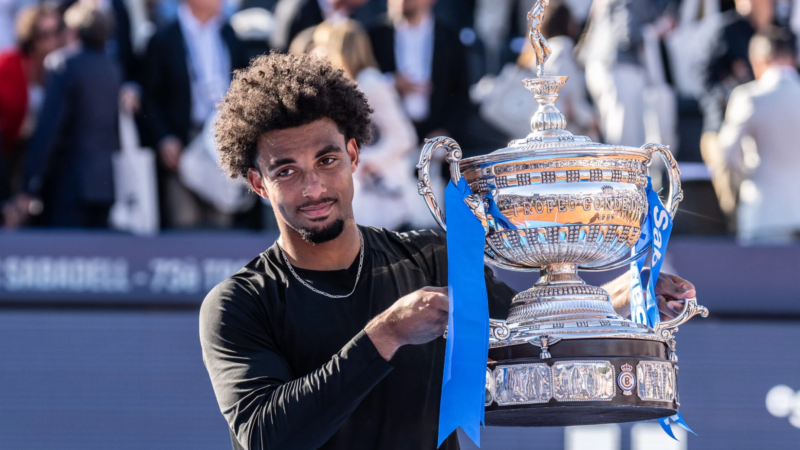
Arthur Fils and the Croatian kingmaker target the top
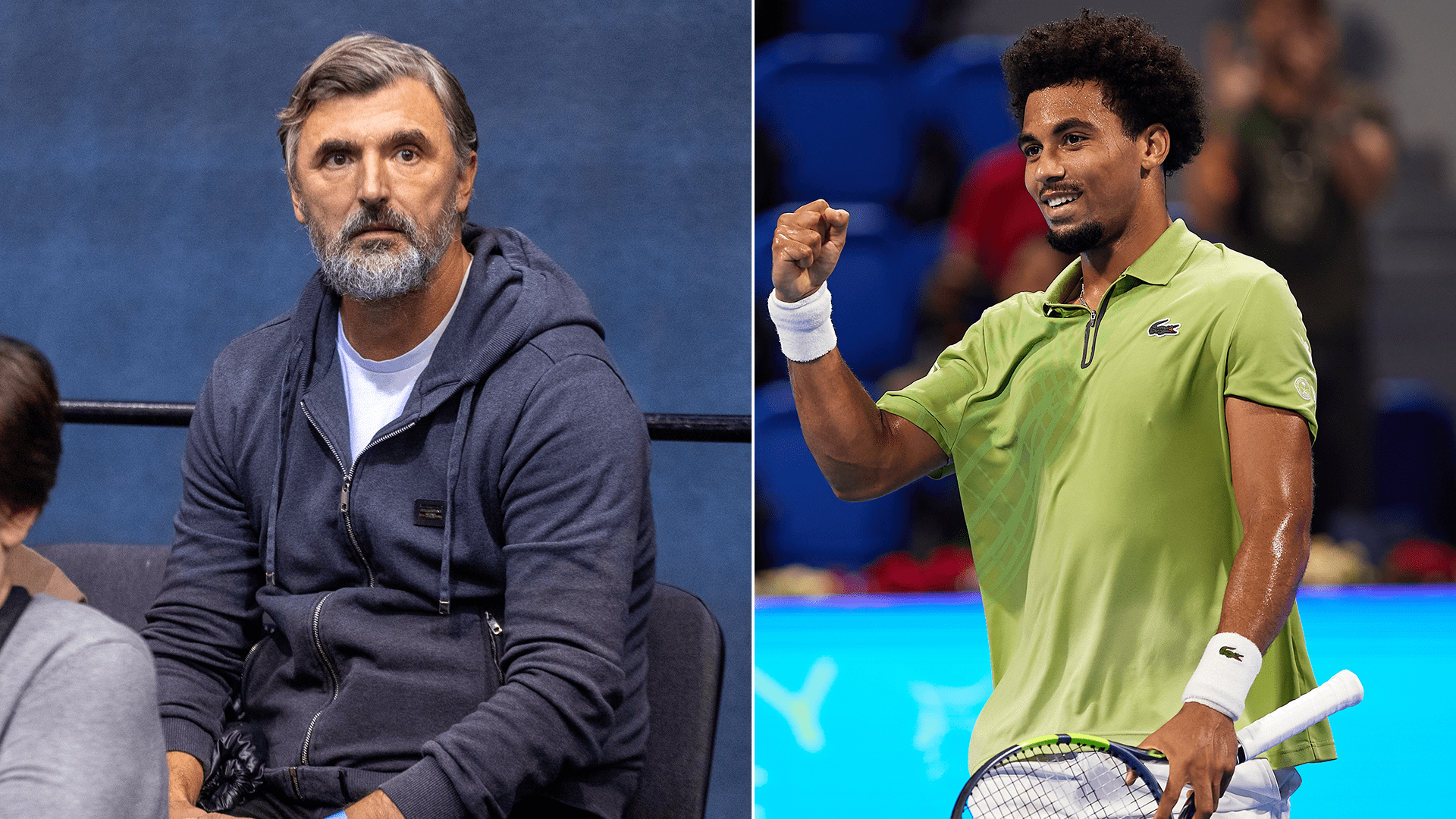
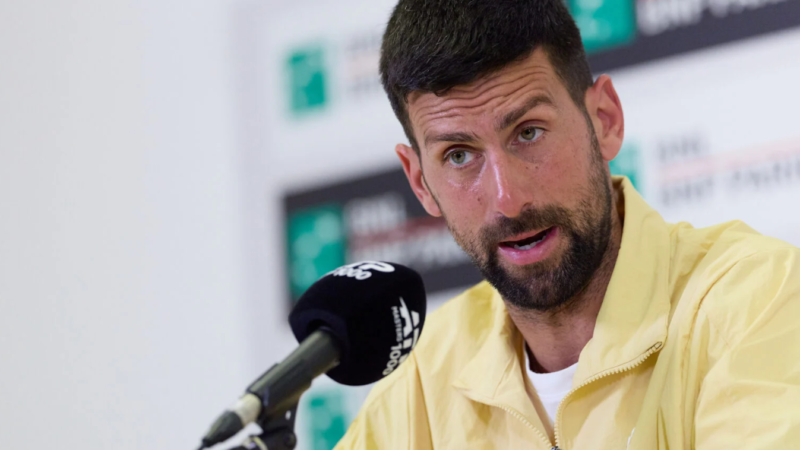
There is a specific kind of gravity that enters a tennis court when Goran Ivanišević walks into a player’s box. It is the weight of twenty-four Grand Slam titles, the shadow of a decade spent engineering Novak Djokovic’s dominance, and the unmistakable aura of a man who doesn’t just coach. He transforms.
This week in the desert heat of Doha, that gravity shifted toward Arthur Fils.
Following a grueling 6-3, 6-3 quarterfinal victory over Jiri Lehecka — a match far tighter than the lopsided scoreline suggested — the 21-year-old Frenchman finally addressed the towering figure in his corner.
After eight months on the sidelines battling a debilitating back injury, Fils, in addition to looking for a comeback, is also looking for a revolution.
“I didn’t know that I was going to play that good that fast, for sure,” Fils admitted, his trademark grin returning to a face that has spent too much of the last year in recovery rooms. “It’s pretty cool to see that I’m already in the semifinals since eight months out, so it’s nice.”
The partnership between the explosive young Frenchman and the Croatian legend wasn’t born in a boardroom, but through a shared lineage.
Fils’ current coach, Ivan Cinkuš, shares deep roots with Ivanišević. When the opportunity arose to bring the “King of Aces” into the fold, the decision was instantaneous.
“Well, you know, he knows very good also my other coach, Ivan Cinkuš,” Fils explained. “So the connection was pretty easy. Ivan told me that Goran could help me, that he has a lot of experience, he has some free time now. So we just talk a little bit, and we decide to take a shot, you know, to try.”
The “shot” is already paying dividends. Against Lehecka, Fils displayed a level of tactical maturity and “clutch” play that had occasionally deserted him during his meteoric rise in 2024.
In the swirling winds of the Khalifa International Tennis Complex, he fended off break points with the ice-veined composure usually reserved for veterans.
“He helped me, for sure,” Fils said of Ivanišević’s immediate impact. “During the match he was telling me couple of things to change or to adapt better. I did it, and I was successful. It’s a good start, let’s say.”
For Fils, the hire is a signal of intent. He is no longer content being the “next big thing” in French tennis — a title that has often felt more like a weight than an accolade. He is chasing the history that eluded the generations of Gaël Monfils and Jo-Wilfried Tsonga.
“Of course, I’m still young. I have a lot of ambition,” he said. “Since I was very young I wanted to be one of the best tennis players, and try my best to try to win some great titles, some slams, if I can.”
But ambition requires more than just power. It requires the ability to navigate the psychological minefields of the ATP Tour. Ivanišević, who famously conquered his own demons to win Wimbledon as a wildcard in 2001, is perhaps the world’s foremost expert in the mental geometry of the game.
“Of course, on the court it’s me, you know, it’s just me and myself,” Fils noted with grounded perspective. “It’s me holding the racquet and taking the decision. But if he can help me to escape from some, how you say? The trap? Yes, to escape from the trap more quickly, you know what I mean.”
Despite the “blockbuster” feel of the coaching box, Fils remains remarkably patient. The back injury that cost him the latter half of 2025 has taught him that the tour is a marathon, not a sprint. While the tennis world marvels at his rapid return to form, Fils is keeping his eyes on the horizon.
“I’m sure I’m going to be back at my level, and for sure at a higher level,” he insisted. “It’s just maybe going to take some time. It’s okay if it’s taking two months or six months or one years, two years, I don’t really care, I’m sure I will be back.”