
Why Craig Tiley is the USTA’s $650 million bet on the future of American Tennis
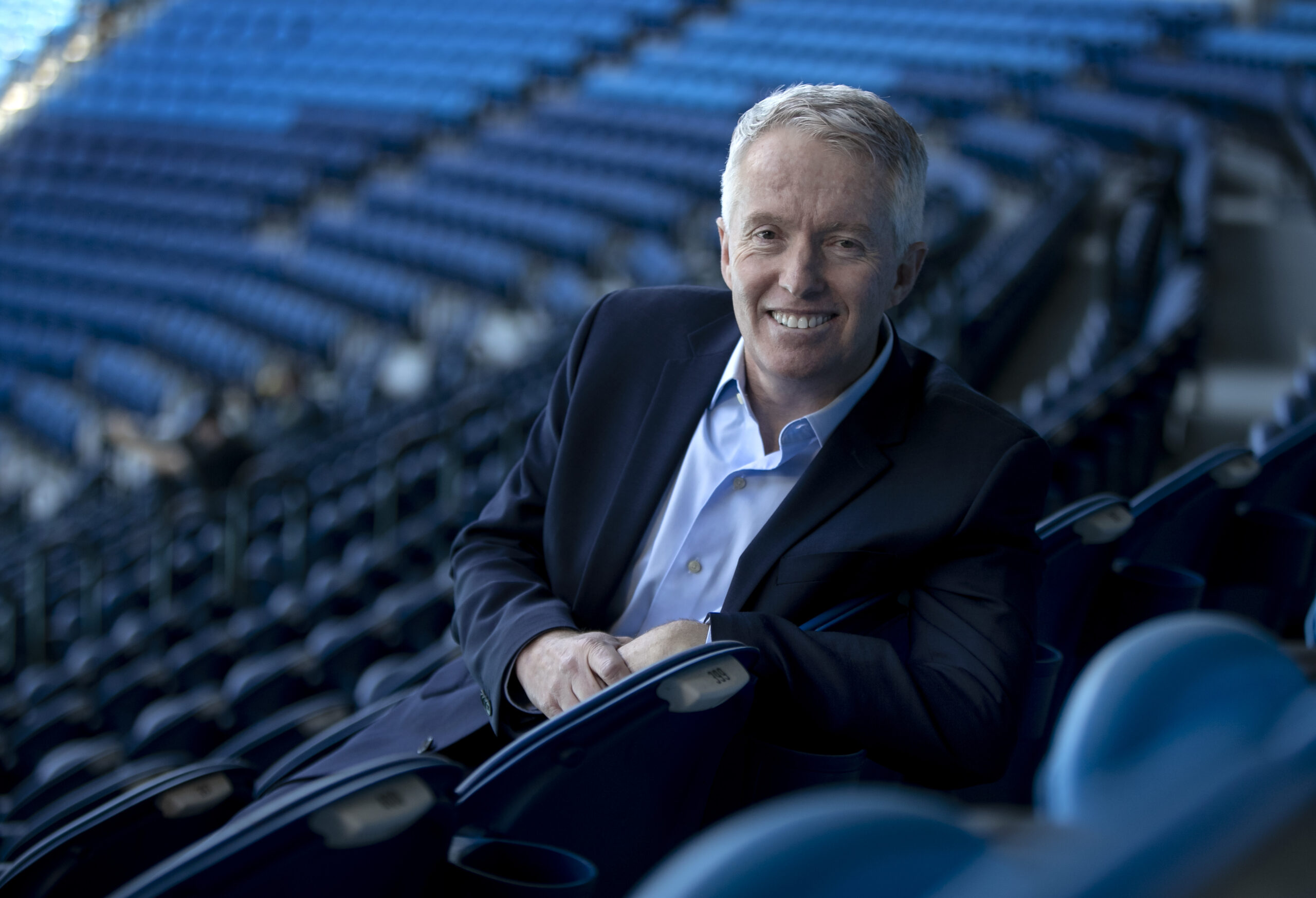
The “Grand Slam arms race” just took its most dramatic turn yet, and this time, the winner is playing on home soil.
After thirteen years spent transforming the Australian Open from a regional favorite into a global innovation juggernaut, Craig Tiley is packing his bags for the United States to serve as the new Chief Executive Officer of the U.S. Tennis Association.
It is a seismic shift for the sport, signaling that the USTA is no longer content with just hosting a two-week party in New York. They want to own the year-round conversation of the “tennis ecosystem”.
For Tiley, a South African native who once led the University of Illinois to a perfect 32–0 NCAA championship season in 2003, this move back to the American hardcourts represents a profound “full-circle moment” in a career defined by disruption.
He steps into a role vacated by Lew Sherr, who recently departed for the New York Mets, and he will work alongside mixed-doubles architect Eric Butorac to steer a ship that currently generates roughly $650 million in annual revenue — significantly more than the $400 million purse he managed in Melbourne.
The mandate from the USTA Board is clear. Achieve the “35 by 35” goal of reaching 35 million active players in the U.S. by 2035.
While American participation is already surging, hitting a record 27.3 million players in 2025 following six years of consecutive growth, Tiley is being brought in to provide the “global credibility” and grassroots “balance” that Board Chair Brian Vahaly believes this specific moment requires.
Tiley’s track record in Australia is the blueprint for this ambition. Under his watch, Tennis became the second-most participated sport in the country, bolstered by a 60% increase in female coaches and a tripling of online court bookings.
However, his arrival also brings a reputation for radical experimentation that may ruffle feathers in the more traditional corners of the American tennis landscape.
In his final months in Melbourne, Tiley proposed a series of “innovations” that include moving chair umpires into underground bunkers, replacing player benches with high-tech “performance centers” equipped with data screens, and even suggesting that women play best-of-five sets from the quarterfinals onward — a move many WTA stars have greeted with skepticism.
But beyond the court lines and coaching clinics, Tiley’s appointment carries significant political weight as the sport undergoes a “slowed reckoning” regarding its future structure.
He was a key architect in the attempt to create a streamlined “premium tour” and recently broke ranks with the other three Grand Slams by settling an antitrust lawsuit with the Professional Tennis Players’ Association (PTPA).
That move meant The Australian Open essentially switched from being a defendant to being a collaborator with the player-led organization.
Now, he inherits the USTA’s own massive projects, including an $800 million renovation of Arthur Ashe Stadium that features a $250 million player performance center and a reconfiguration of seating to favor high-tier ticketing.
So, as Tiley prepares to exit Tennis Australia — staying on for several months to ensure a smooth transition — the message to the tennis world is unmistakable. The USTA has hired the sport’s most aggressive visionary to ensure that the U.S. Open remains the undisputed lead runner in the global game.