The fall of a golden boy: Stefanos Tsitsipas is facing an identity crisis and a top 40 exile
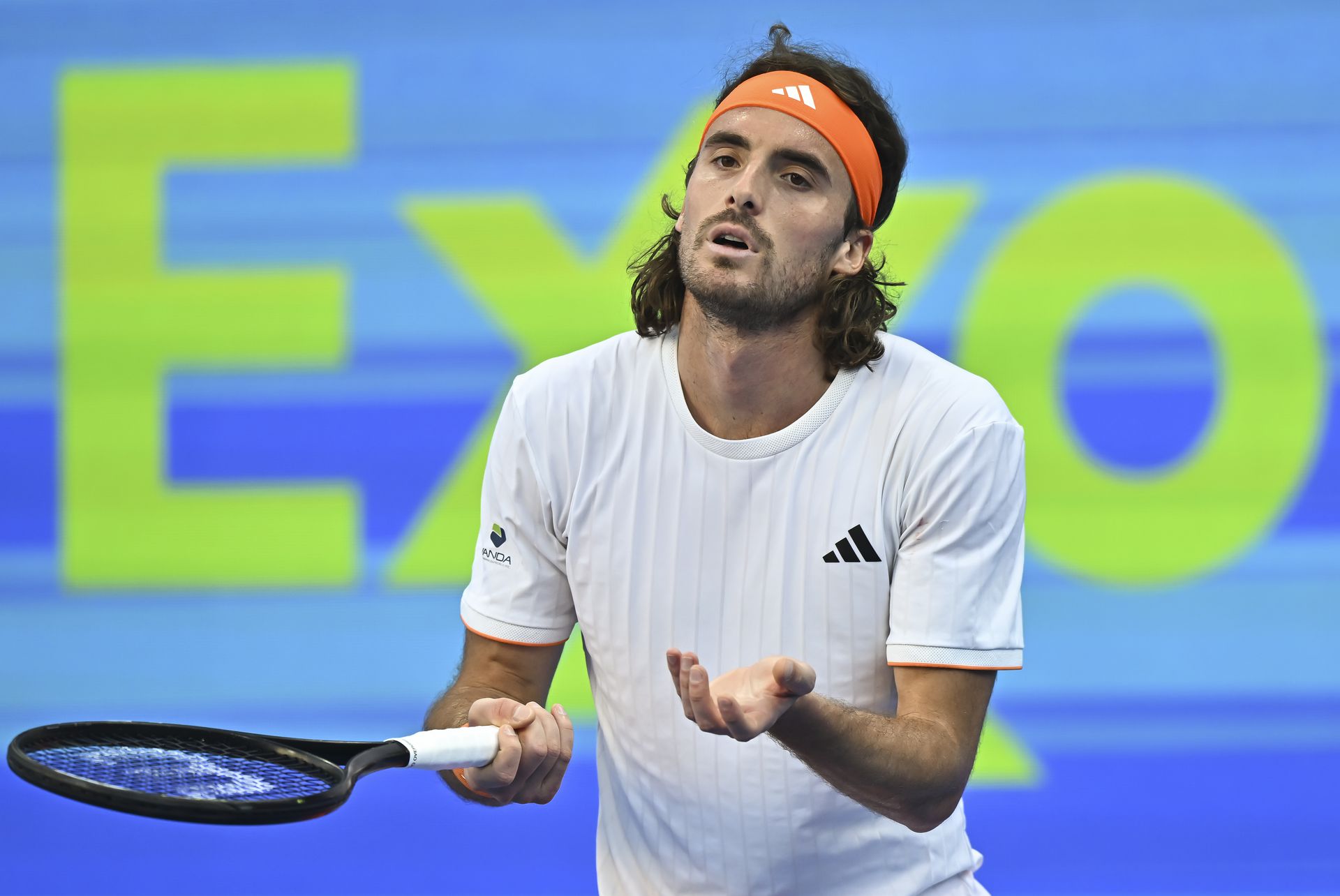
I’ve been tracking Stefanos Tsitsipas since his 2018 NextGen days, back when he was a long-haired, philosophy-quoting phenom who moved across the court with the fluidity of a Greek deity.
Back then, it wasn’t a matter of if he would rule the ATP, but when. He was the heir apparent, the man who possessed the rare combination of a thunderous one-handed backhand and the aesthetic charm the sport craves.
But as of this week, following a lackluster opening-round exit in Dubai to Ugo Humbert, the “when” has officially turned into a “was.” For the first time in eight years, Stefanos is projected to plummet outside the World Top 40.
To see a man who once stared down the Big Three in Grand Slam finals now sitting at a projected World No. 42, in addition to being a statistical anomaly, also feels like the definitive end of an era.
If you want to understand why the “Greek God” has fallen so far, so fast, you have to look at the grim anatomy of his physical decline.
The primary culprit is a chronic back injury that has haunted his psyche. The low point came during a disastrous 2025 stretch where the physical toll became unsustainable.
Following a grueling loss to Daniel Altmaier at the US Open, Stefanos was reportedly unable to walk for forty-eight hours. He spent the better part of that season in a state of existential crisis, admitting that for nearly eight months, the pain was a constant shadow that compromised his every movement.
The toll on his game is visible to anyone with a credential. The explosiveness is muted. The serve, once a foundational pillar of his dominance, has cracked under the strain.
Last year, his first-serve percentage dipped below 60% for the first time since his teenage years, and his serve quality was graded a staggering 67th on the tour. When your back won’t let you arch, your primary weapon becomes your greatest liability.
While the body was failing, the inner circle was fracturing.
I’ve watched the “coaching carousel” of the last 18 months with a mix of confusion and pity. The public rift with his father, Apostolos, in late 2024 was messy and uncharacteristically sharp.
Stefanos’s blunt assessment, calling his father “not very smart” as a coach before later walking it back, was a rare, jagged moment of public frustration that signaled a deeper rot.
The subsequent experiment with Goran Ivanišević was supposed to be the “fix,” but the legendary Croat pulled no punches after a first-round Wimbledon exit, labeling Tsitsipas “unprepared” and lacking the necessary professional rigor.
He has since returned to his father’s camp, seeking a “refreshing” mental stability, but the damage to his tactical identity remains. The forehand, formerly a heavy, high-rotation whip that dictated rallies, has flattened out, losing the bite and the confidence that once made it the most feared shot in the game.
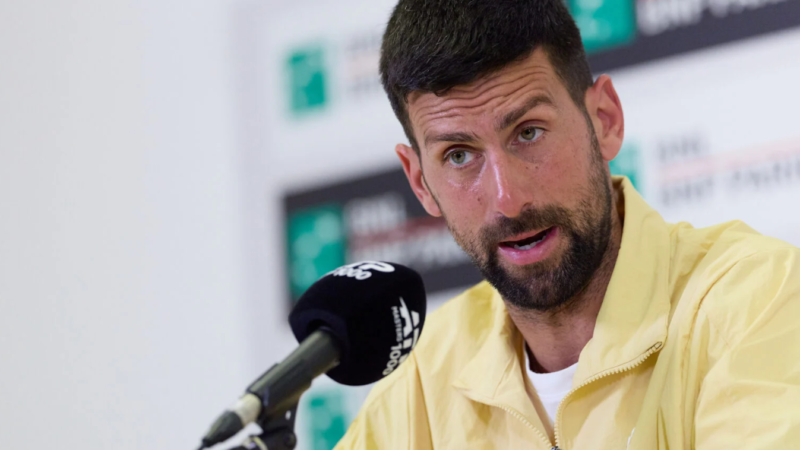
There are those of us in the press room who believe the scar tissue isn’t just in his spine. Many point to the 2021 French Open final as the moment the light flickered. Leading Novak Djokovic by two sets to love, Stefanos was a set away from immortality.
He lost that match, and some argue he never truly left that clay court.
The “trauma” he speaks of today isn’t just about the physical pain of a herniated disc, it’s the psychological weight of being the man who almost was.
He played only 40 matches in 2025 — nearly half his usual workload — and the resulting burnout led to a social media blackout. He simply didn’t recognize the player in the mirror anymore.
However, despite the grim numbers, there is a flicker of the old Stefanos remaining.
He claims to have finished a pain-free off-season, and there’s a quiet defiance in his voice again. Falling out of the Top 40 means he will be unseeded at the majors, a “landmine” in the draw that no top seed wants to see in the first round.
Perhaps being the hunter rather than the hunted is exactly the perspective shift he needs to reclaim his place in the pantheon.