Roland Garros pulls the plug on player area cameras
The red clay of Roland-Garros has always been a place for tradition, grit, and the occasional revolution.
But as the 2026 edition approaches, the most significant change isn’t happening on the court. It’s happening in the tunnels, the lounges, and the quiet corridors where the world’s best athletes go to breathe.
For years, the trend in global sports has been total access. Documentaries and social media feeds have turned locker rooms into soundstages and hallways into runways.
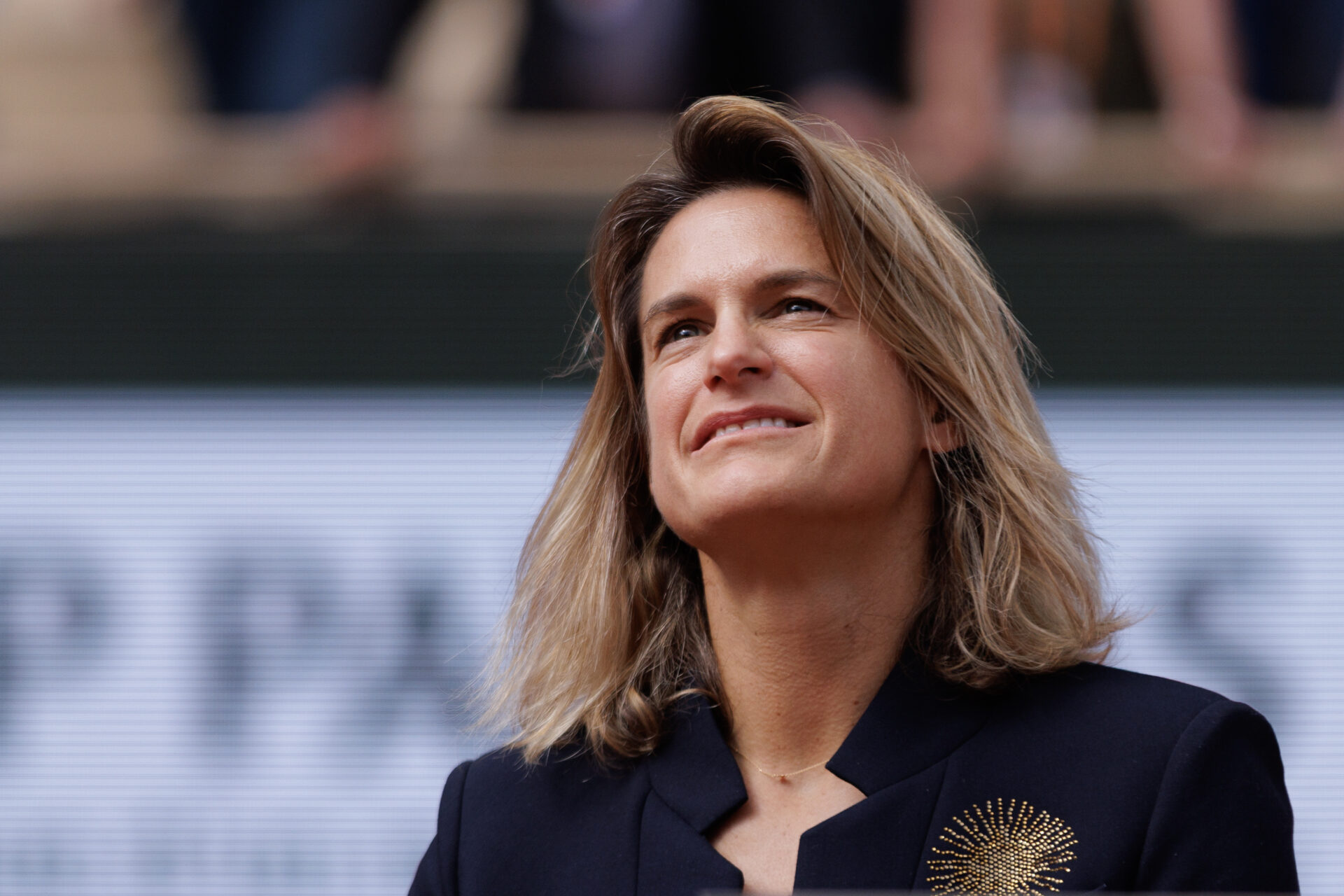
However, French Open tournament director Amélie Mauresmo has officially called time on the era of the omnipresent lens. In a move that has sent shockwaves through the broadcasting world, Roland-Garros will become the first Grand Slam to strictly ban camera access in designated player-only areas.
The decision is a direct response to a growing chorus of frustration from the locker room.
The catalyst came during a tense Australian Open earlier this year, when a video of Coco Gauff smashing a racquet in a supposedly private tunnel went viral after a difficult loss.
Gauff, who had deliberately sought out a secluded spot to vent her frustration away from the public eye, was blindsided by the footage.
“I tried to go somewhere where I thought there wasn’t a camera because I don’t necessarily like breaking rackets,” Gauff said in her post-match news conference in Melbourne.
“Certain moments—the same thing happened to Aryna (Sabalenka) after I played her in the final of the U.S. Open—I feel like they don’t need to broadcast.”
Gauff’s sentiment was echoed by World No. 1 Iga Swiatek, who has become the most vocal advocate for player boundaries. Swiatek did not mince words when discussing the feeling of being under constant surveillance.
“Yeah, the question is, are we tennis players, or are we, like, animals in the zoo where they are observed even when they poop, you know?” she said, though she quickly apologized for the graphic nature of the analogy. “OK, that was exaggerating obviously, but it would be nice to have some privacy.”
The new French Open policy designates “No Cam Access” zones, including the players’ lounge, locker rooms, and specific preparation corridors. This is a fundamental rejection of the chase for the buzz that has come to define modern sports media.
“Our ambition is not necessarily to repeat everything that’s done elsewhere, and not to chase the buzz at any cost,” Mauresmo stated during the official pre-tournament press conference. “This is not something that for us corresponds to the image of Roland Garros.”
Mauresmo, a former World No. 1 herself, understands the psychological toll of the modern tour. She framed the decision as a preservation of the tournament’s DNA.
“We really want to maintain respect for the player’s privacy,” she said. “It’s something we will not change. For us, authenticity is more important; we are rooted in our traditions and we also look toward the future, modernity, innovation in other areas. This initiative is not something that, for us, aligns with the image of Roland Garros.”
While Paris draws its line, the other majors remain divided.
Wimbledon officials have already indicated they will not follow suit, arguing that behind-the-scenes access is “a vital part of the modern Championships experience.”
The US Open, historically the most commercialized of the four, is currently reviewing its stance, facing heavy pressure from rights holders who argue that sanitizing the player experience removes the human drama that sells the sport.
Broadcasters are understandably concerned. The rise of docuseries like Break Point relied heavily on the raw, unpolished moments that occur just after a player steps off the court. By closing these doors, Roland Garros is effectively valuing player mental health over viral engagement metrics.
This Player’s Slam approach isn’t limited to privacy. To balance the loss of some commercial screen time, the tournament has increased its total prize pool by 10%, reaching a staggering €61.7 million. Singles champions will now take home €2.8 million.
Furthermore, the tournament is embracing technical innovation where it actually aids the athlete.
While cameras are banned in private spaces, players will be allowed to wear biometric devices during matches for the first time, allowing them to track performance and recovery data. It is a calculated trade-off. More data for the athlete, less spectacle for the voyeur.