Alexander Zverev survives a familiar scare to keep his Melbourne dream alive
The first round of a Grand Slam is rarely about the beauty of the game. For the top seeds, it is a psychological minefield where the primary objective is survival, not style.
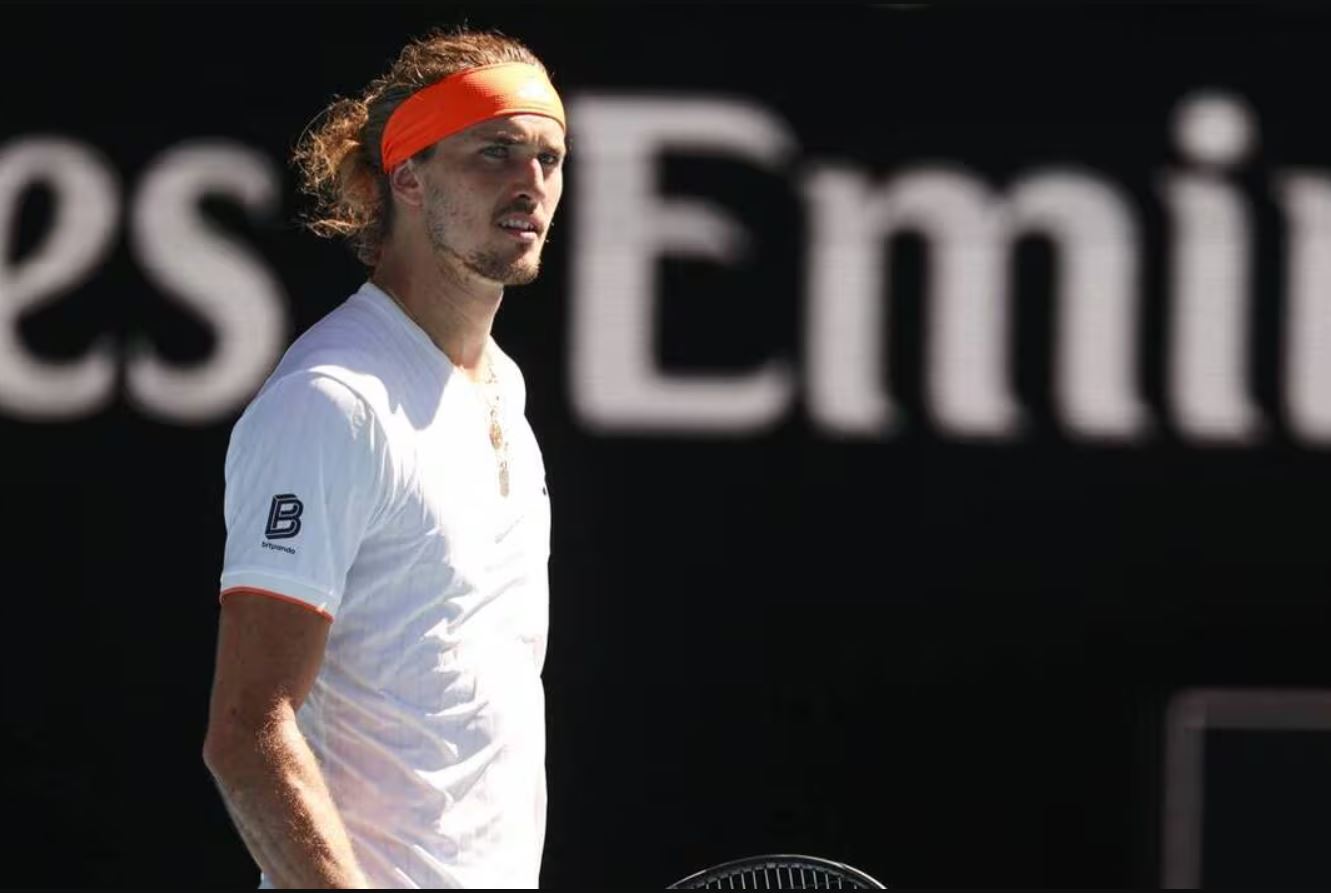
In the fluorescent glare of the Australian Open’s opening days, World No. 3 Alexander Zverev found himself entangled in a familiar narrative. One where the weight of expectation turns a heavy favorite into a tentative shadow of himself.
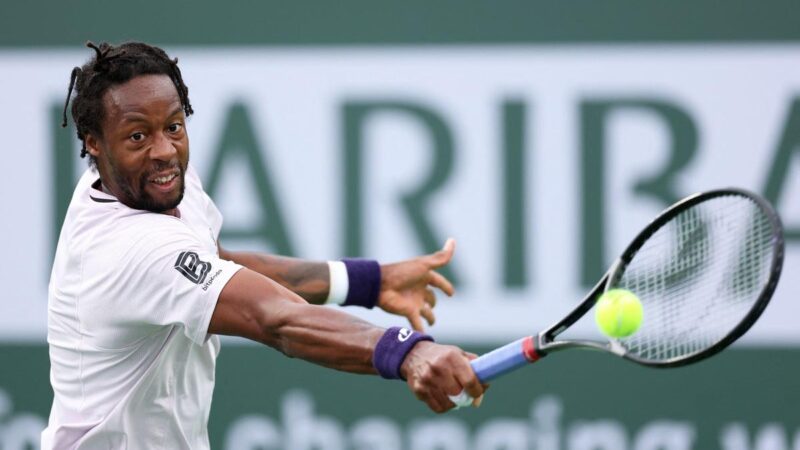
Facing the “very young, very talented, very powerful” Gabriel Diallo, Zverev looked like a man searching for a rhythm that simply wasn’t there. For the German, it was a case of déjà vu. The nerves were visible, the feet were heavy, and the shots lacked the conviction of a contender through a difficult opening set.
“In the beginning I was not playing good,” Zverev admitted in the aftermath, his voice carrying the exhaustion of a man who had just navigated a crisis. “Um, you know I was giving him too many chances I was uh too defensive, you know but the normal stuff that I do in the first round of a grand slam sometimes.”
This “normal stuff” is what has become known among analysts as “First-Round Syndrome.” It is a phase of passive play where Zverev, despite his formidable 6’6″ frame and thunderous serve, retreats behind the baseline.
By playing a high-margin, defensive game, he often invites the underdog to dictate the terms. Against a player like Diallo, who entered the court with nothing to lose, that passivity resulted in a lost first-set tiebreak.
However, the mark of a champion is the ability to recognize the slide and arrest it. After a sluggish start that threatened to derail his campaign before it truly began, Zverev flipped a tactical switch.
The tentativeness evaporated, replaced by the clinical aggression that has made him a fixture at the top of the rankings. He stopped reacting and started dictating, eventually securing a 6-7, 6-1, 6-4, 6-2 victory.
Reflecting on the turnaround, Zverev was visibly relieved by the quality of his response. “Happy the way I played the second third and fourth because I thought that was quite high level for me,” he noted. “And um yeah happy to to get the win.”
The difficulty of the draw had been a talking point since the brackets were released.
While some players prefer a “soft” opening to find their feet, Zverev was thrown into the deep end against a rising Canadian star. It was a draw he initially viewed with trepidation, but in the cool air of the press room, he acknowledged that the early scare might have been exactly what he needed.
“After you won and after you’re through that match it’s it’s yeah it’s it’s a positive for sure,” he explained. “Uh because you’ve been tested and you you know where you are and you know where your level is at especially in in difficult moments.”
Zverev survived the test, found his range, and most importantly, overcame the defensive demons of the first round. In the end, as he put it himself, “I was happy with how I took on the challenge and how especially how I played the the last three sets.”