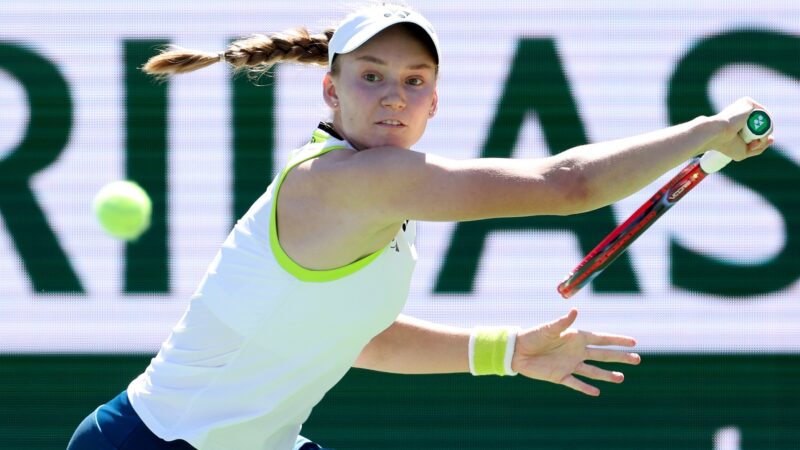
Aryna Sabalenka fires a warning shot heard all the way to Melbourne Park
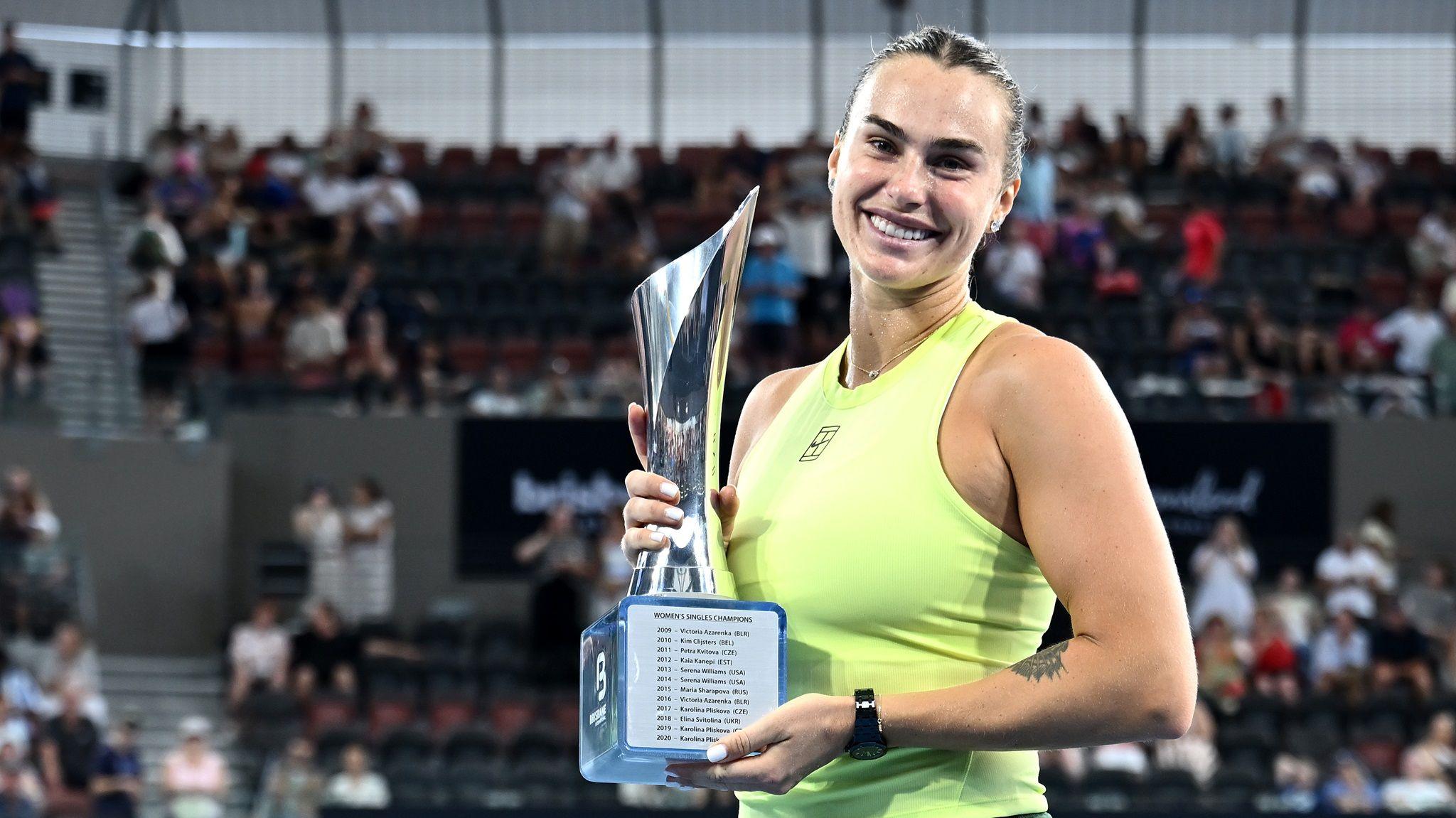
The humidity of a Brisbane summer can buckle the strongest of athletes, but as the sun dipped behind the canopy of Pat Rafter Arena this past Sunday, Aryna Sabalenka looked like she was just getting started.
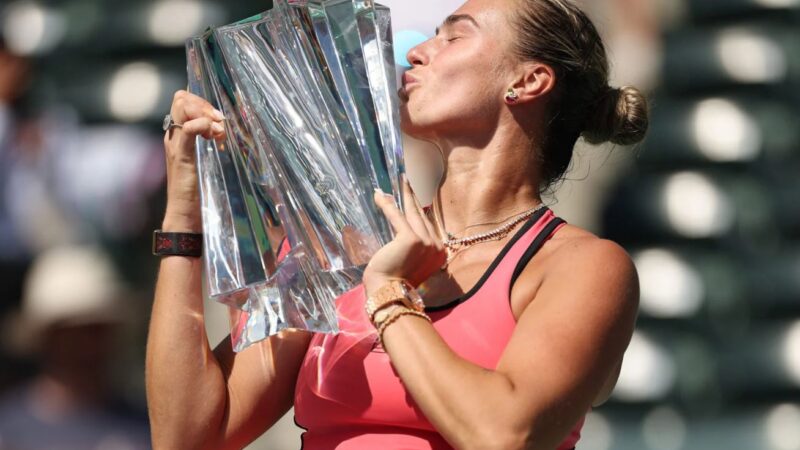
The World No. 1 stood at the baseline, a silhouette of concentrated power, before unleashing a final serve that Marta Kostyuk could only deflect into the stands. With a 6-4, 6-3 victory, Sabalenka along with defending her Brisbane International title also effectively served notice to the rest of the WTA.
This wasn’t just another trophy for the cabinet. It was a statement of intent. Throughout the week, the top seed was clinical, navigating the draw without dropping a single set.
In the final, she dismantled a spirited Kostyuk with a frightening blend of heavy baseline hitting and a newfound tactical finesse. By the time the final ball was called out, the narrative for the upcoming Australian Open had already been written.
During the trophy ceremony, a playful exchange with the tournament moderator set the tone for a champion who is as comfortable in her own skin as she is dominant on the court.
When congratulated as a three-time champion, Sabalenka was quick to keep the record straight. “Is it three? It’s two. I lost to Elena in 2024,” she corrected with a grin. When the moderator suggested the three included her finals appearances, she laughed, admitting, “I just like to put some pressure on you.”
That levity, however, masked a ruthless competitive edge. After securing the win, Sabalenka was seen kissing her biceps, a gesture that some interpreted as a response to the off-court tensions and historical comments surrounding her rivalry with Kostyuk.
In the press room afterward, Sabalenka brushed off any deeper meaning. “No, I think because during the game I made a lot of aggressive, heavy winners when I see the speed, so I was just making fun with my team,” she explained.
The conversation quickly turned to the looming Grand Slam at Melbourne Park. A reporter suggested that a “warning shot” had been laid down and that Sabalenka is now the undisputed favorite to reclaim the Australian Open crown she narrowly missed out on in 2025.
“Well, I don’t know. It’s tennis, it’s sport, and that’s why it’s so beautiful because you cannot predict anything,” Sabalenka mused. “It’s like every day you go out there and you prove your level, you prove your point. I think this week I did it really well, but nobody knows what’s gonna happen in the future, but the only one thing I’m sure is that I will be there, I’ll be fighting, I’ll do my best to go as far as possible and do a little bit better than I did last year.”
Doing “better than last year” for the World No. 1 means only one thing. Hoisting the Daphne Akhurst Memorial Cup for a third time.
To do it, she is relying on an evolution of her game that was on full display in Brisbane. The raw power remains the “bludgeoning” shots that can push any opponent two meters behind the baseline. But it is now paired with a “deftness of touch” that makes her more dangerous than ever.
“I’m happy you saw that,” Sabalenka said when asked about her variety.
“This is something I have been working for I don’t know how long, probably my whole life, but never really worked well for me. And then couple years ago, I finally found the touch game. I figured something, and I kind of like changed my game style. Now I’m not only the aggressive player. I can play at the net, I can be in the defense, I can use my slice, I have a good touch.”
This tactical maturity allows her to play with a “Plan B” or even a “Plan C,” trusting her instincts when the exchange becomes “crazy.” It is this mental and technical growth that makes her so formidable.
Even the frosty atmosphere following the match, marked by the now-customary lack of a handshake from her Ukrainian opponent, seemed to bounce off her like a misfired return.
“Well, it’s their position. It’s their position. What can I do? I don’t mind that. I don’t care about that,” Sabalenka said with the detachment of a true professional.
“When I go into the match, it’s all about tennis and sport. When I go out there, I think about my tennis and the things I have to do to get the win. I have nothing to prove. I go there and I just compete as an athlete.”