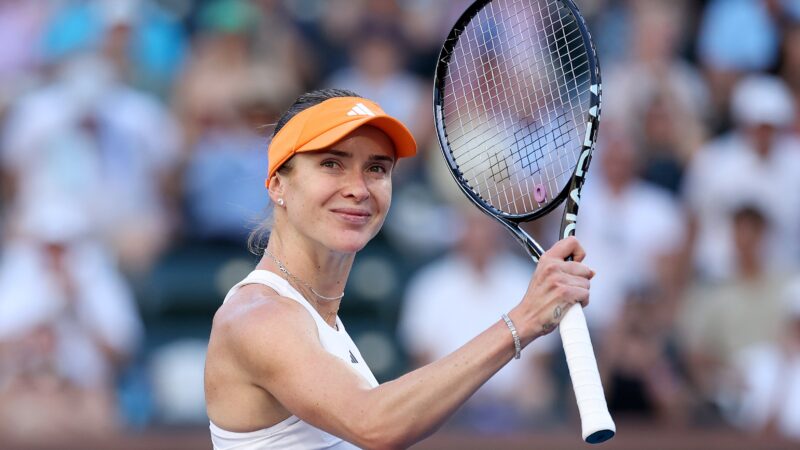
Elena Rybakina turns Grand Slam success into a final eight fast track
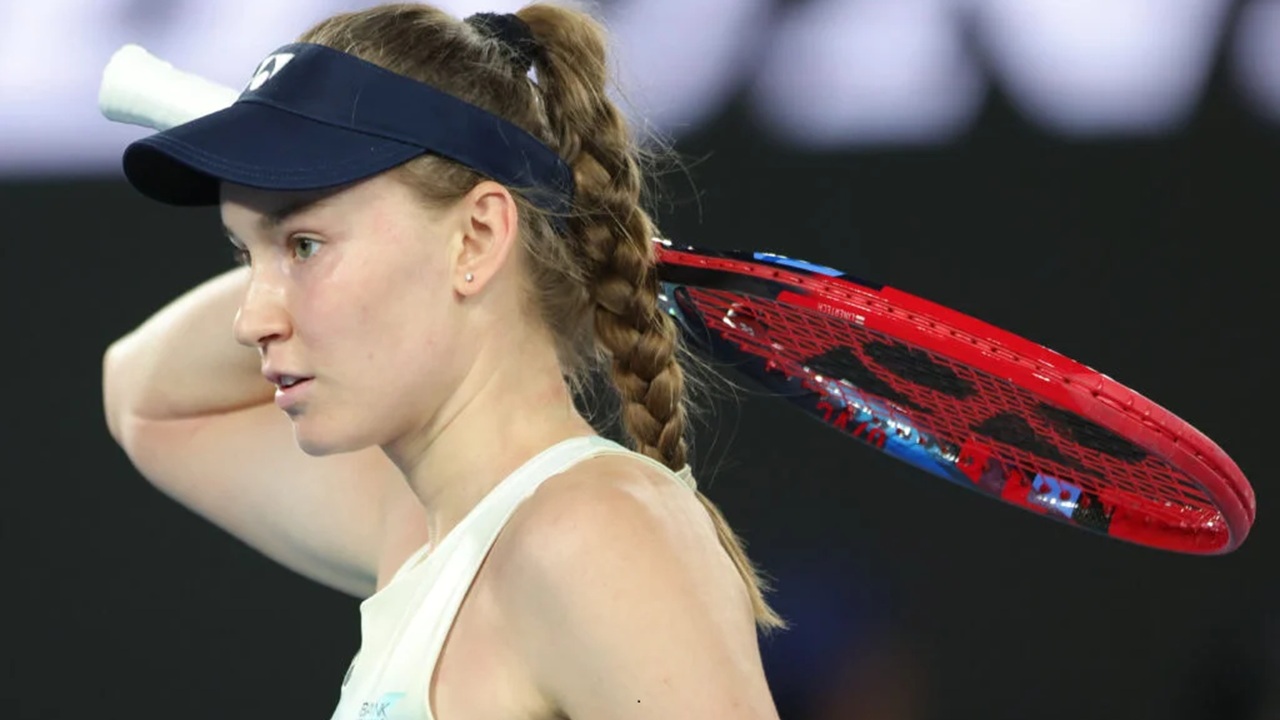
In the sterile, fluorescent-lit press room in Doha, Elena Rybakina looks less like a woman who just conquered a continent and more like a high-level executive checking off the first major milestone of a fiscal year.
There is a specific kind of exhaustion that follows a Grand Slam title — a mixture of physical depletion and the sudden, jarring disappearance of the mountain you’ve spent a fortnight climbing.
For Rybakina, fresh off her second Major crown at the 2026 Australian Open, that fatigue was compounded by a stubborn cold picked up on the flight home.
Yet, as she sat before the media ahead of the Qatar TotalEnergies Open, the World No. 3 wasn’t focused on the trophy she just left in Dubai. She was looking at the math of November.
For the elite of the WTA, the first quarter of the season is often a frantic land grab for points. The goal is simple but grueling. Accumulate enough capital by the spring so that the summer and autumn don’t become a desperate scramble for the “Final Eight.”
Last year, Rybakina found herself in the thick of that late-season stress. Despite being a perennial threat, a series of mid-season withdrawals and fluctuating form meant her spot at the WTA Finals wasn’t a certainty until the final weeks of the calendar. Sitting in Doha today, the perspective has shifted entirely.
“Another plus of all these early wins, of course, to be qualified, I’m more or less, but I think it’s still already a big advantage to the final eight,” Rybakina noted, her voice steady despite the lingering congestion. “It’s not the same as it was last year.”
By capturing 2,000 points in Melbourne, Rybakina hasn’t just added a second Daphne Akhurst Memorial Cup to her mantle, she has bought herself the rarest commodity in professional tennis. Time.
The “Final Eight” refers to the WTA Finals, the prestigious season-ending championships where the top point-earners of the year gather for a high-stakes showdown.
Qualifying early is the equivalent of a student finishing a final exam in the first ten minutes of the period. While the rest of the field is sweating over tiebreaks in Beijing and Wuhan come October, Rybakina can now curate her schedule with surgical precision.
This shift in priority is reflected in how she views her recent triumph. When asked if this Major felt different from her maiden win at Wimbledon in 2022, she was candid about her evolution.
“Of course it is different, because at Wimbledon it was, first of all, really not expected,” she explained. “I think I wasn’t really prepared that way also, but in the end everything turned out great for me. In Australia I came also to the final a couple years ago, so I kind of knew the road… I feel like it’s more of a job.”
It is a “job” that she is currently doing better than almost anyone else on the planet.
By treating the tour as a series of professional hurdles rather than a rollercoaster of emotions, she has stabilized her results. The early-season points act as a buffer, a “big advantage” that allows her to manage the physical toll of the tour.
That physical toll is the only thing currently slowing her down. Most players would have withdrawn from Doha, citing the “Grand Slam hangover” or the cold she’s currently nursing. But Rybakina sees even a compromised week in Qatar as a tactical gain.
“I think the matches is the best practices also at the end of the day,” she said. “I don’t put too much pressure or expectations, that’s for sure. I definitely want to do well, and we’ll just see how it’s going to go day by day.”
It’s this pragmatism that makes her so dangerous. She is playing with “house money” now. Whether she reaches the final in Doha or falls in the opening rounds, her 2026 trajectory is already secured.