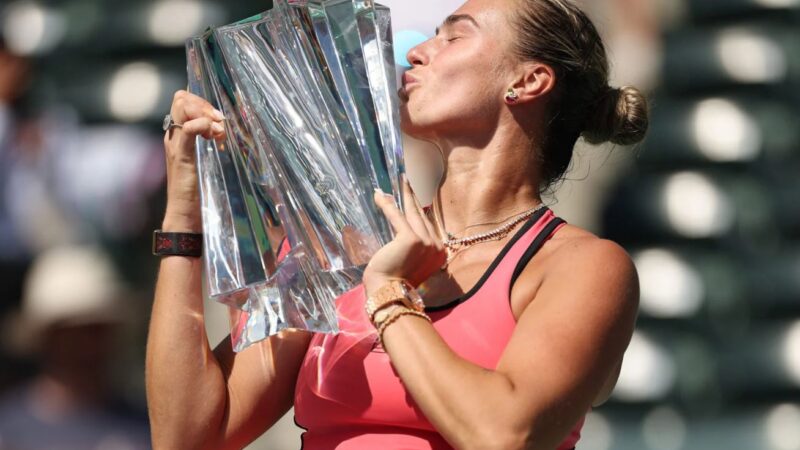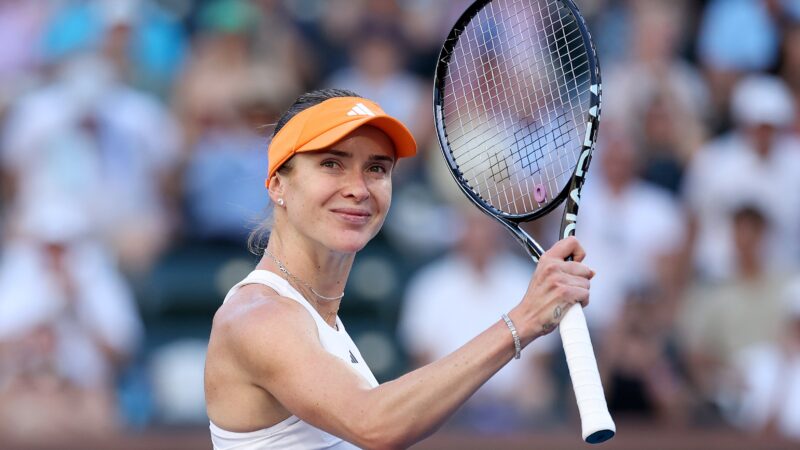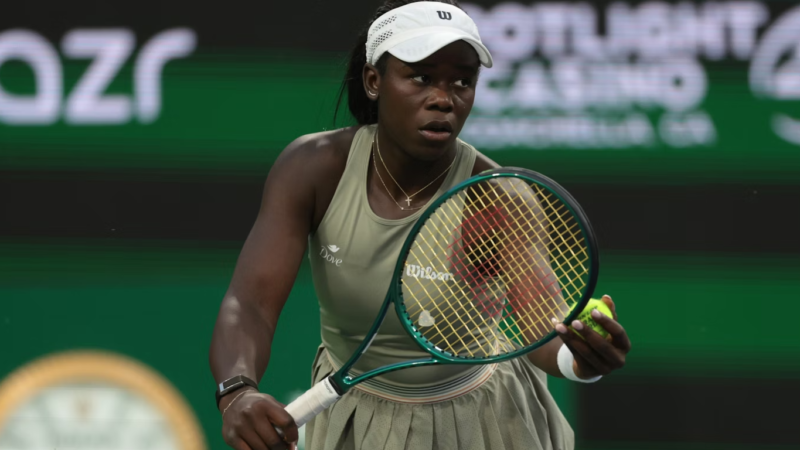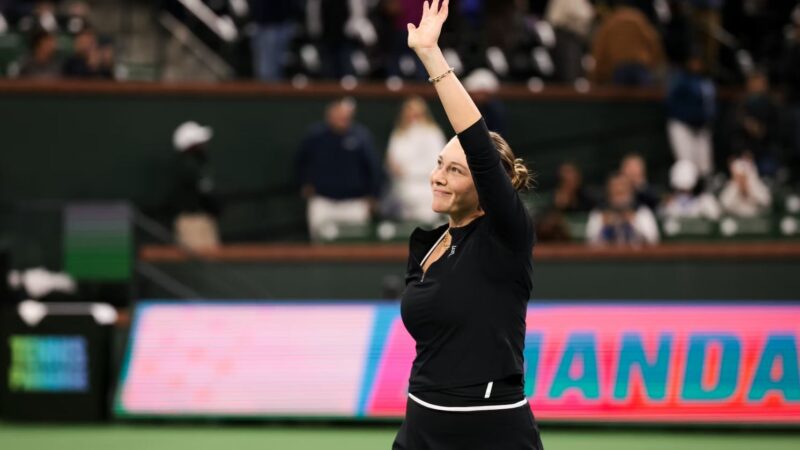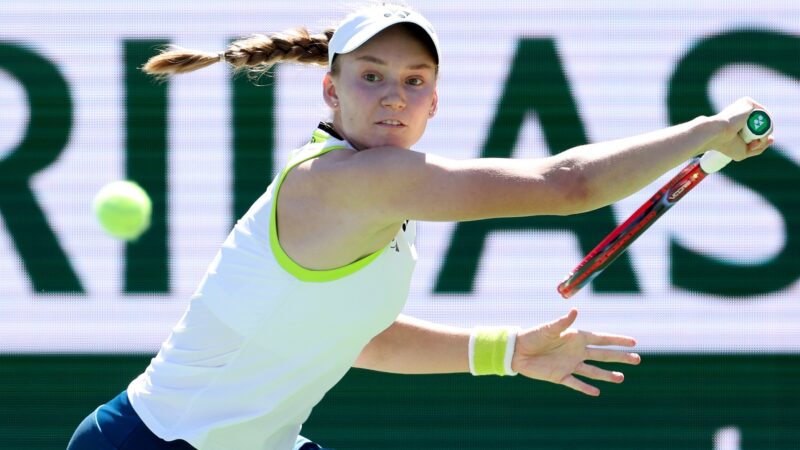
From rock bottom to Riyadh glory as Amanda Anisimova strikes back
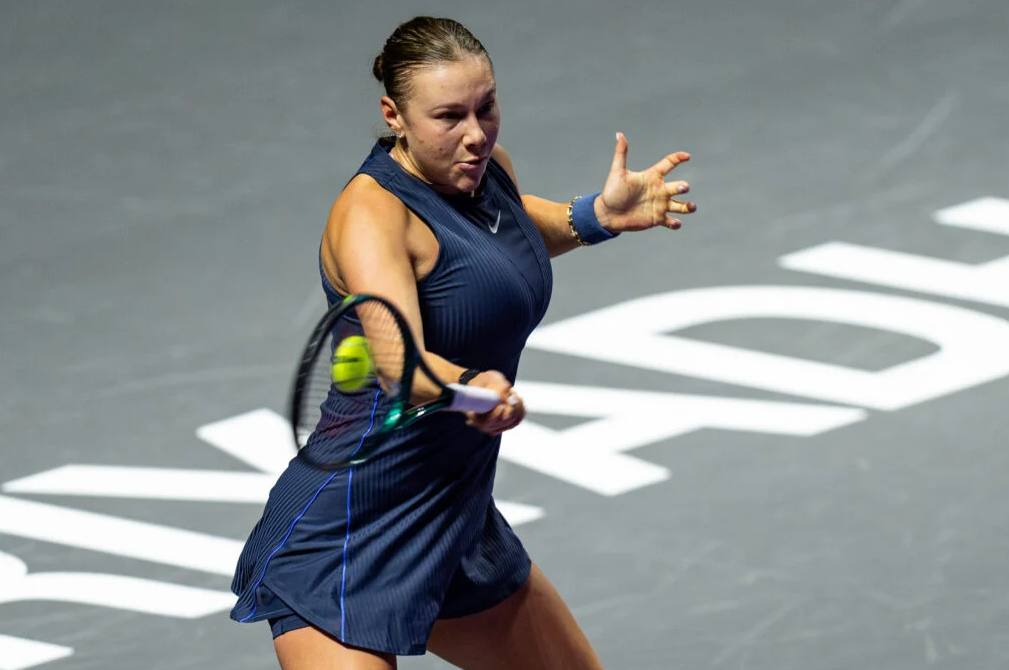
You’d think losing 6-0, 6-0 in a Grand Slam final might be a career-crushing low. For Amanda Anisimova, it became the blueprint for her most defiant comeback yet.
On Wednesday night at the WTA Finals, Anisimova stepped back onto a court opposite Iga Swiatek — the same woman who dismantled her in that infamous Wimbledon final four months ago — and rewrote the story.
With grit, intelligence, and unshakable belief, she fought back from a set down to defeat the world No. 2, 6-7(3), 6-4, 6-2, and seal her place in the semifinals of the year-end championships.
This was more than just a win. It was a full-circle moment.
“If you would have told me a year ago I would be sitting here, I wouldn’t have believed you,” she admitted earlier this week in Riyadh.
But on the court Wednesday, belief was the currency she traded in as she earned every point, every break, with the quiet force of someone who’s already done the hard work in the dark.
Anisimova, 24, has spent nearly a decade being touted as the “next big thing.”
But in 2023, she walked away from the sport altogether, calling life on tour “unbearable.” She had dropped outside the Top 300. Her confidence was in tatters. The idea of playing the best in the world, much less beating them, was a distant dream.
Now she’s beaten all of the top three in 2025, made two Grand Slam finals, and risen to No. 4 in the world. And in Riyadh, she showed that her resurgence isn’t just about results. It’s about resilience.
After dropping the opening set in a tiebreak to Swiatek in their winner-take-all clash, Anisimova looked wobbly. She faced three break points at 1-1 in the second, and the match seemed to teeter on the edge. But she held. Then she broke. And then she broke open the match.
Swiatek didn’t play poorly. In fact, she said afterward, “I did everything I could today… it wasn’t enough.” That’s how complete Anisimova’s performance was. She didn’t win because Swiatek faltered. She won because she outplayed her, especially when it mattered most.
Anisimova credits her evolution to something intangible: “I think all the hard work I did on the inside was what really paid off for me.” She speaks now with clarity and calm, no longer shackled by doubt. “I’ve played a lot of tough matches this year. I know my capabilities.”
And those capabilities have been clutch. She’s now won 13 straight three-set matches — a remarkable stat for a player once haunted by tight finishes.
In Riyadh, she dropped her opener to Elena Rybakina in straight sets. But instead of spiraling, she rebounded with back-to-back three-set wins over Madison Keys and Swiatek, both times rallying from a set down.
Her baseline precision, once erratic under pressure, now seems surgical. Her serve, once a liability, is a weapon. And perhaps most importantly, she believes.
“I feel like I belong at this point,” she said. It sounds simple. But for Anisimova, it’s revolutionary.