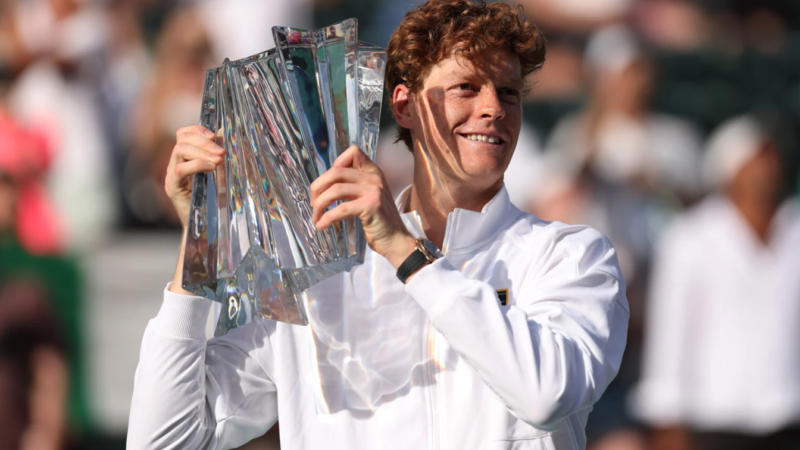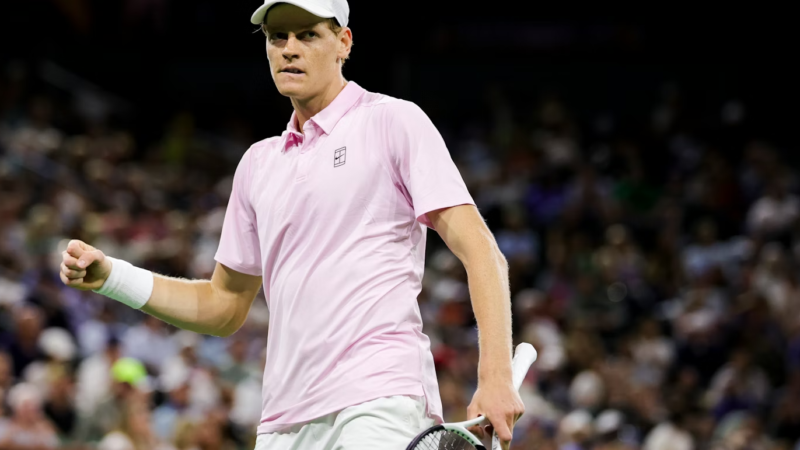
How 2025 nearly broke Jannik Sinner and made him ‘almost’ walk away
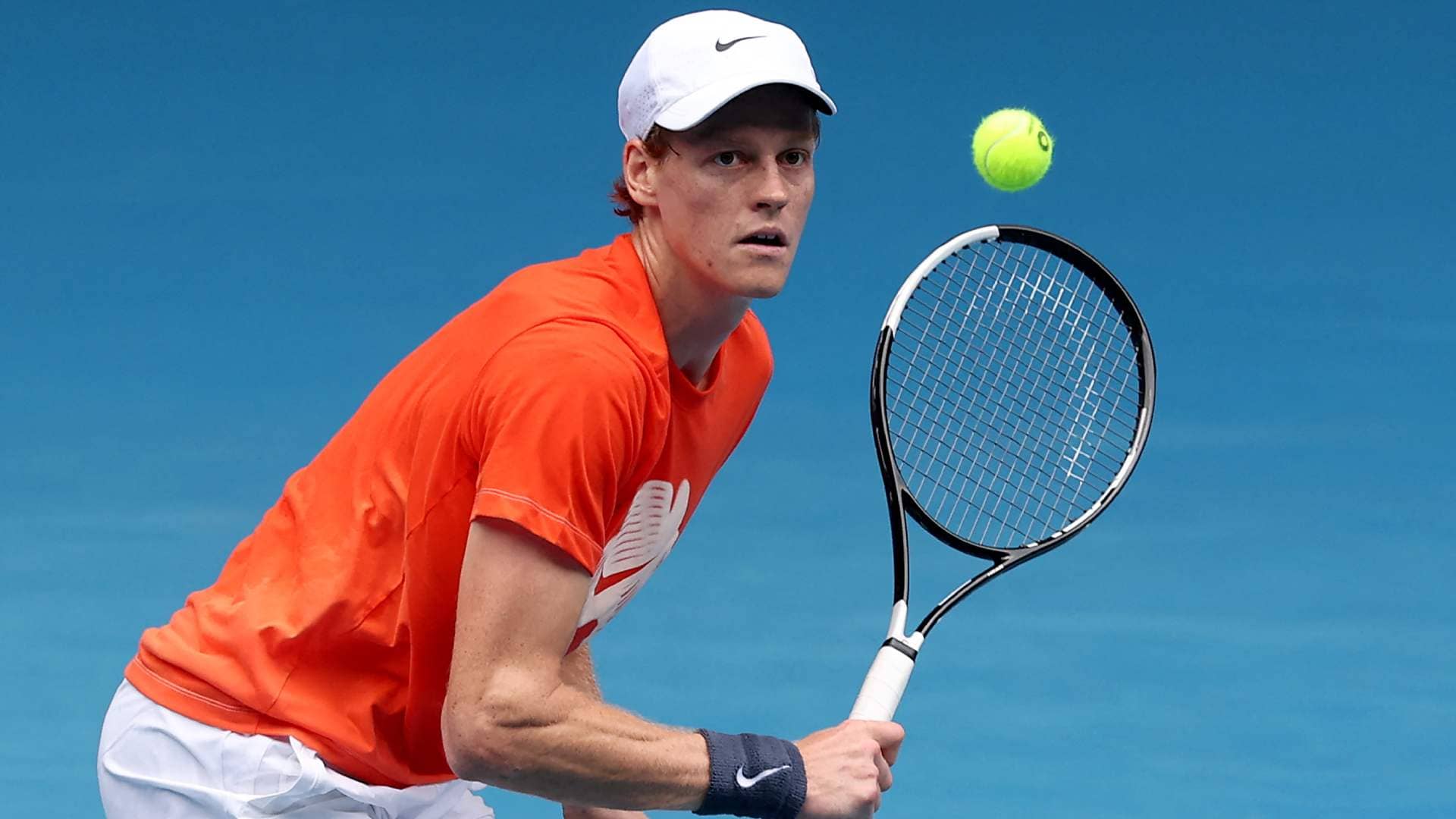
Melbourne Park during the pre-tournament press conferences is usually thick with tactical chatter. Talk of surface speeds, serve percentages, and the relentless heat of the Australian summer.
But when Jannik Sinner sat down before the media ahead of his 2026 title defense, the conversation veered away from the baseline and into the far more turbulent waters of the human psyche.
For a player whose on-court demeanor is famously placid, Sinner’s admission was a rare, unvarnished glimpse into the weight of the crown.
Reflecting on a 2025 season that saw him navigate a high-profile doping controversy and a subsequent three-month ban, the Italian superstar revealed that the pressure nearly led him to put down his rackets for good.
“Last year it was definitely, uh, I would say much more difficult situation,” Sinner admitted when asked about the moment he considered walking away.
“Cause in this year I didn’t in this moment—last year I didn’t know exactly what’s going to happen. Um, so you know, I tried—I tried still to—to enjoy it when you go out on—on the court, but you still have it in the—in your head, you know, kind of. So it was difficult.”
The controversy — an accidental clostebol contamination that dominated headlines through much of the previous year — did more than just threaten his eligibility; it eroded his sense of belonging in the very world he had spent his life trying to conquer.
The current World No. 2 was winning matches on the court, but off it, he was losing his peace. It was a paradox that brought him to the edge.
“I… now it’s tough to say because, you know, I—I know the ending, you know. I knew the kind of ending, I knew the—the what was coming out, but in the same time it was—it was difficult, you know, for me but also for the family,” he confessed.
What followed was a period of profound transformation. While the tennis world debated his status, Sinner retreated into a tight-knit circle of trust. He sought refuge not in the spotlight, but in the people who saw the man behind the ranking.
“I surrounded myself with really, really good people and I’m very happy with the people I have,” Sinner explained. Chief among those figures is Darren Cahill, the veteran coach whom Sinner now affectionately refers to as the “team dad.”
“He’s the man who has under control kind of everything. He’s our—our dad for the whole—for the whole team,” Sinner said during the press conference. “And it’s good to have—it’s good to have him, you know. You feel in a very safe place and it’s—it’s good.”
That sense of safety allowed Sinner to process the trauma of the previous year and return to the tour not just with a reconstructed serve, but with a reconstructed perspective. He no longer views tennis as a burden to be carried, but as a craft to be practiced with a newfound lightness.
“I think everything happens for a reason and then it got me even stronger as—as—as a person, doesn’t, you know, taken away the player part,” Sinner reflected. “The person I—I—I’m—I’ve become, it’s much more, you know, mature in a way because I see things when they’re not going in the right direction in different ways.”
As he prepares to chase a third consecutive Australian Open title as the tournament’s second seed, the “Sinner 2.0” that stands before the Melbourne crowd is a man who has made peace with the possibility of failure. The results, he says, are now secondary to the quality of his life off the court.
“Whatever comes on court, the result wise, that’s all an extra,” Sinner said. “I live the sport also in a very different way now, which is relax but I give everything I have, you know. It’s a balance of everything and—so yeah, I’m—I’m very happy.”