Iga Swiatek explains why dominance can be a dangerous trap
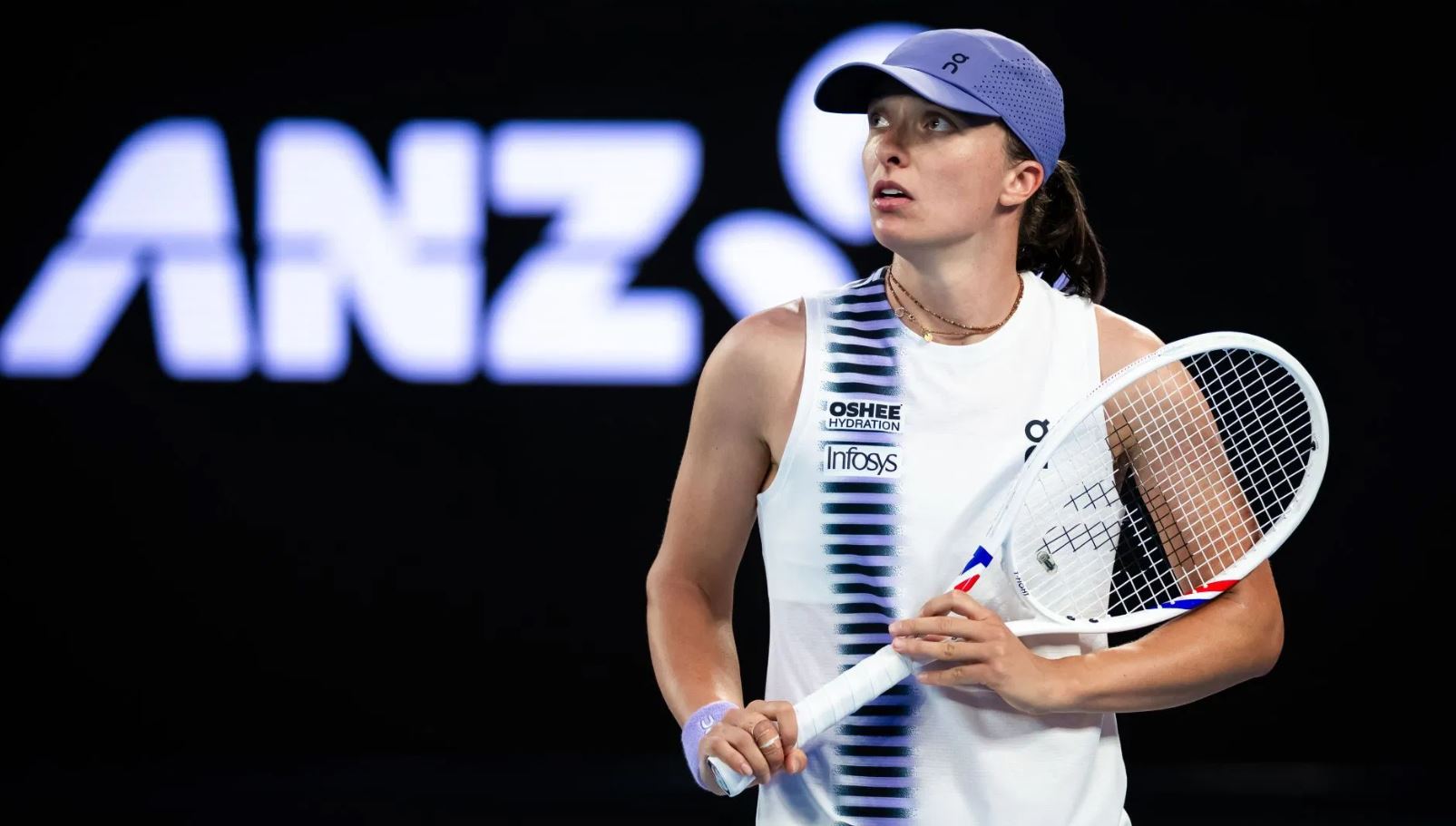
For the World No. 2, Iga Swiatek, the opening round of a Grand Slam is traditionally viewed as a business trip. A clinical exercise in efficiency designed to conserve energy for the second week.
But as she walked off the court following a gritty, high-tension opening match against China’s Yue Yuan at the 2026 Australian Open, she didn’t look like a player frustrated by a close call. She looked like a player who had just received exactly what she needed.
In an era where “dominance” is often measured by how quickly a top seed can dismiss an opponent, Swiatek is leaning into a different philosophy.
While the scoreboard showed a straight-sets victory, the reality was a physical and tactical chess match that required a pressure-cooker tiebreak to resolve. For many, a tight opener is a cause for concern. For Swiatek, it is the ultimate preventative measure against a mid-tournament collapse.
“Well um I guess you know there were some moments where I felt uh great but um like the start of the match was wasn’t that perfect so I’m happy that I worked through this,” Swiatek told reporters during her post-match press conference.
It was a candid admission of the human element that exists even for the five-time major champion. The perfectionist in her might have wanted a 6-0, 6-0 scoreline, but the tactician in her knew that “working through” the imperfections was the far more valuable outcome.
The danger of the “easy” win is a phenomenon Swiatek knows all too well. When a top player breezes through the first four rounds without facing a break point or a tiebreak, they often arrive at the quarterfinals with a false sense of security.
Swiatek articulated this risk with striking clarity. “If you play easy matches and then suddenly you get a challenge you might get you know rusty like in the middle of the tournament and feel the pressure.”
That “rust” is the silent killer of Grand Slam dreams. By being forced to find her range under the sun of a Melbourne afternoon, Swiatek ensured that her “clutch” instincts were calibrated from day one.
During the pivotal moments of the match, particularly the tiebreak, she found a gear that only high-stakes tension can shift into, noting her goal to “play more yeah aggressively and more precise I guess.”
As she moves into the second round, the second seed carries more than just a win; she carries the confidence of having survived a scare. She isn’t over-analyzing the closeness of the score or worrying about the energy spent. Instead, she is viewing the struggle as a necessary sharpening of the blade.
“It doesn’t matter to over analyze it just you know you got to be ready for the next match and take lessons from you know why the match was kind of tighter,” she concluded.