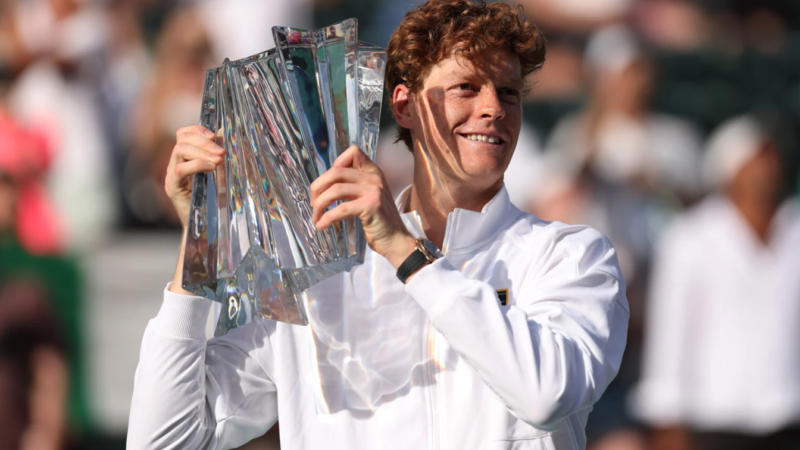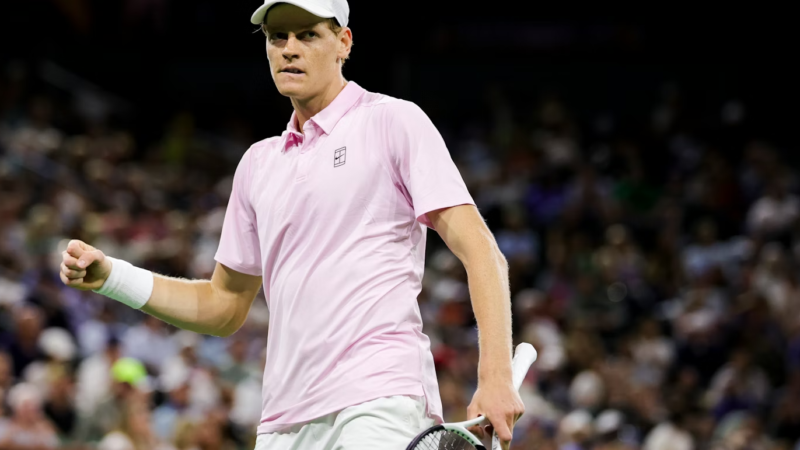
Jannik Sinner and the science of the Grand Slam grind
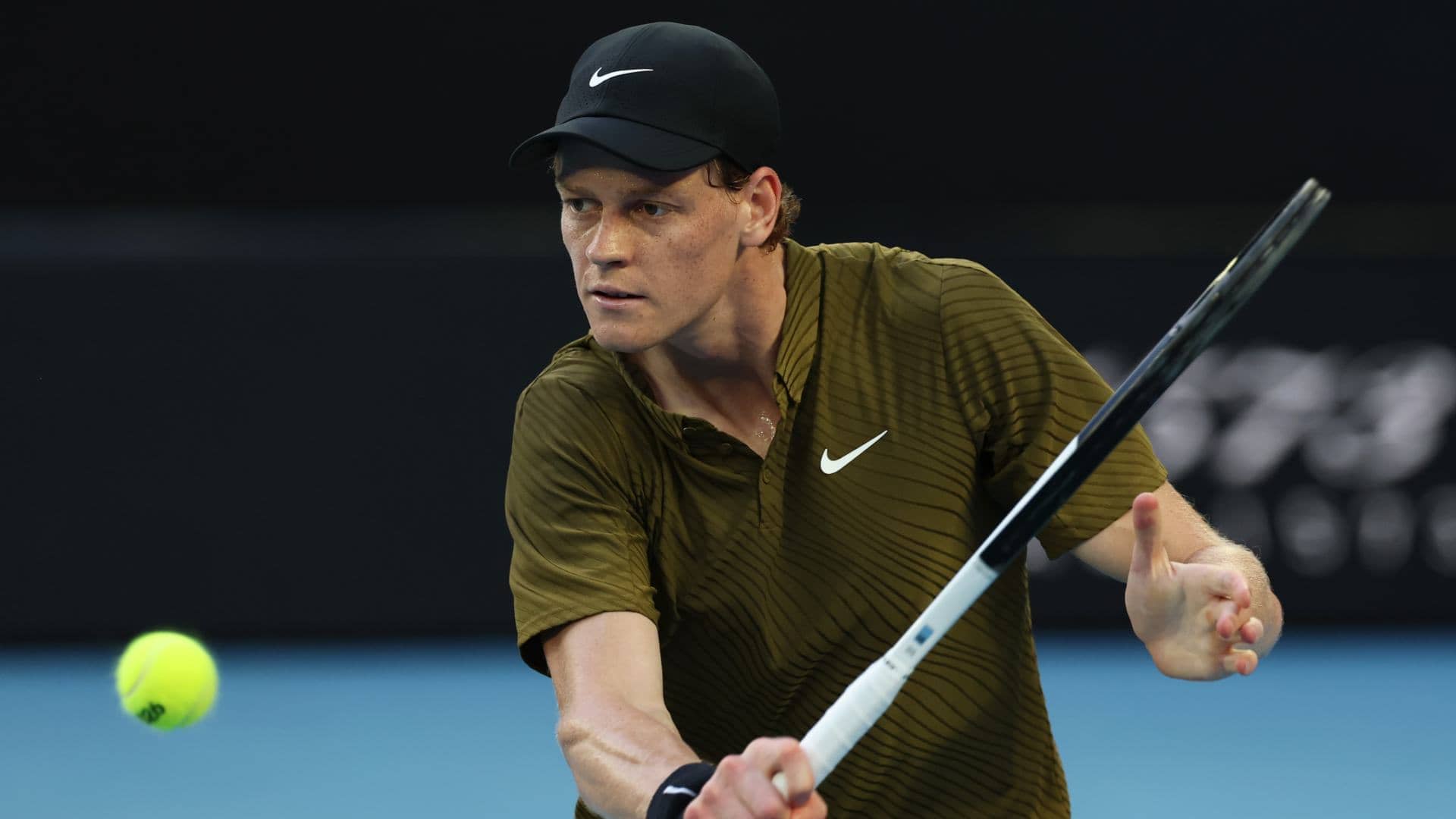
For Jannik Sinner, the glitz of the Australian Open is merely the visible tip of a very large, very cold iceberg. On Tuesday night, the world saw the Italian start his quest for a historic “three-peat” with a clinical, albeit shortened, performance.
Leading 6-2, 6-1 against France’s Hugo Gaston, the match ended abruptly when Gaston was forced to retire with an injury. It was an anticlimactic conclusion to what had been a masterclass in modern power tennis, yet Sinner’s post-match reflections revealed that the hour spent under the lights was the easiest part of his journey. The real work had already been done in the shadows.
“I have I’ve put in many many long days in the in the offseason trying to to become a better tennis player,” Sinner told reporters, his voice carrying the calm exhaustion of a man who has traded his winter for a laboratory-like obsession with improvement.
For the defending champion, the transition from the “grind” to the “glitz” isn’t just about switching surfaces; it’s a mental shift from the grueling isolation of training to the performance art of a Grand Slam.
While the tennis world was resting or playing exhibitions, Sinner was dissecting his own game with surgical precision. He spoke at length about the “many many long days” spent rebuilding his serve — a shot he remarkably still considers a work in progress.
“There is a lot of room to improve,” Sinner admitted, despite his status as the most dominant hard-court player of the last two years. “We changed a little bit the motion the the rhythm of the surf it was before it was a bit too too fast in the beginning now it’s a bit slower.”
This commitment to the “mental gym” and technical refinement is what separates the elite from the legends. Sinner isn’t just content to rely on the talent that won him the 2024 and 2025 titles.
He spent his time away from the tour working with “a stable person” like Dr. Riccardo Ceccarelli, using a “home kit” to maintain his mental edge.
But as any professional will tell you, the practice court is a world away from the pressure cooker of Melbourne Park. “The official matches are always very different,” Sinner noted.
“At the end of the day the most important part is to to go on court and and to enjoy you know so uh it’s very special to to start the season in a in a in a night session match here.”
Against Gaston, that “enjoyment” looked like a man who had already solved the puzzle before the first ball was hit. Sinner weathered a brief storm in the opening game, erasing three break points with the ease of someone who had practiced that exact scenario a thousand times in December.
He moved with a frightening economy of motion, the byproduct of an off-season where he “worked a lot physically” to handle the “very fast” nature of the modern game.
Even the interruption of his rhythm by Gaston’s unfortunate retirement didn’t seem to rattle Sinner’s focus. While he expressed genuine empathy for his opponent—stating “I wish him a speedy recovery and hope it’s it’s nothing too bad”—his eyes were already looking toward the next hurdle.
“Of course it’s the priority the priorities have changed now you try to to go as far as possible here in this tournament,” he said.
The “grind” of the off-season provides the foundation, but the “glitz” of the Australian Open provides the purpose. Sinner’s performance on Tuesday was a reminder that while the lights are bright and the stadium is packed, the victory was actually secured during those “long days” when no one was watching.