Jessica Pegula and the art of the late breakthrough
In an era of tennis where teenage sensations often dominate the headlines, Jessica Pegula is the ultimate reminder that the finish line is the only place that matters.
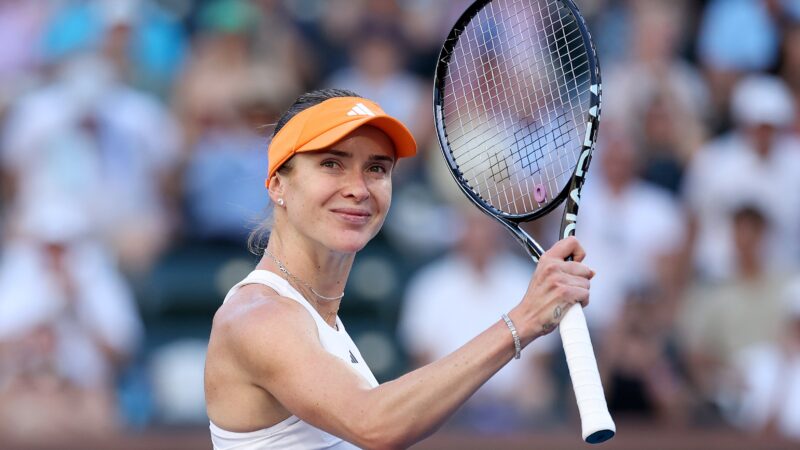
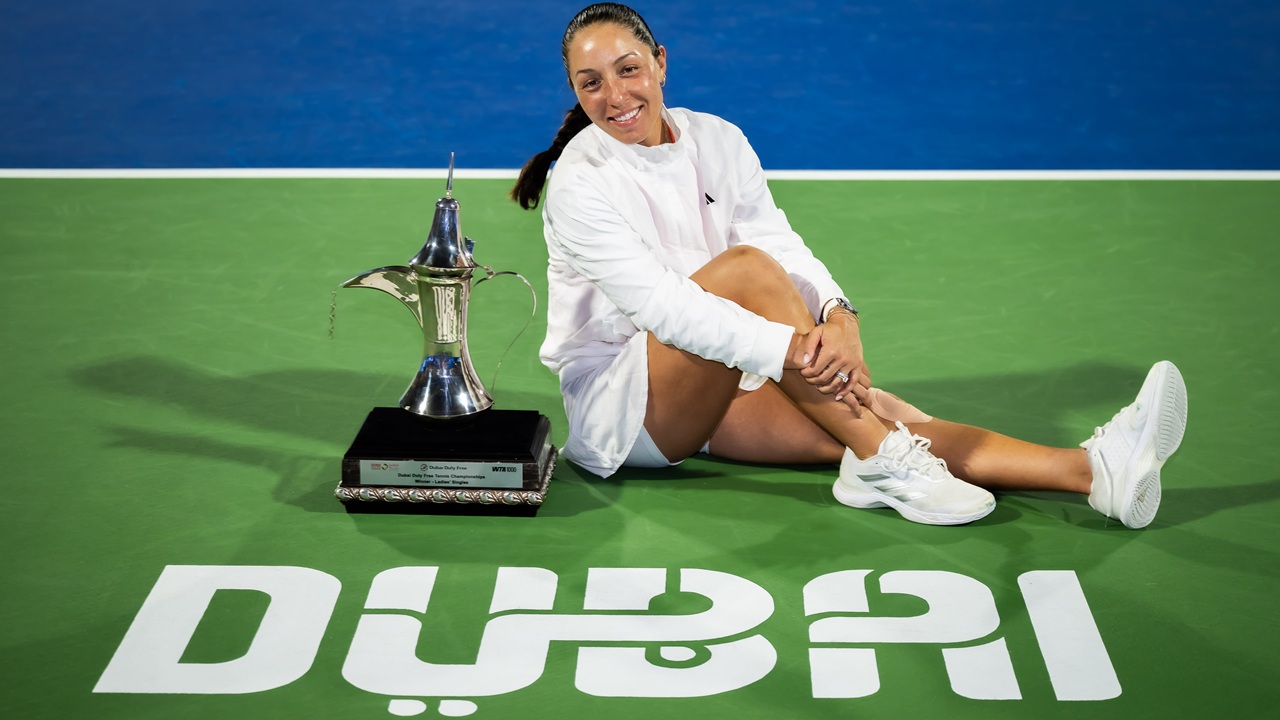
Fresh off her clinical 6-2, 6-4 victory over Elina Svitolina to claim the 2026 Dubai Duty Free Tennis Championships, Pegula sat in the press room not as a flash-in-the-pan wonder, but as a seasoned architect of her own success.
At 31, she is playing the most efficient, dominant tennis of her life, proving that the “prodigy or bust” narrative in women’s tennis is fundamentally flawed.
For many athletes, the pressure to peak by 21 is suffocating. For Pegula, the breakthrough didn’t arrive until she had already spent years grinding on the outer courts, far from the spotlight of WTA 1000 finals. It is a journey she reflects on with a grounded perspective that only comes with time.
“I think I’ve proven that you can do well in a later age,” Pegula remarked, reflecting on a career that didn’t truly ignite until she was well into her mid-twenties.
“I think I didn’t really break through until I was after 24, 25, which is a little late nowadays. I think I proved a lot of people wrong. I think I proved to myself that I was a top athlete at this level.”
The conversation around Pegula often centers on the “elusive” Grand Slam title. Having made multiple major finals and deep runs across all four surfaces, the external pressure to secure a trophy in a different zip code remains high. Yet, Pegula refuses to let the media’s obsession with silverware define her value.
“I definitely don’t tie my identity to an elusive slam,” she told reporters with the calm confidence of someone who has already won ten career titles.
“I’ve come really close. At the same time I don’t feel like I want it to define my career. I think if I had to stop right now, I had an amazing career. I definitely wouldn’t have any regrets.”
This stoicism is perhaps her greatest weapon. While younger players might crumble under the weight of “what-ifs,” Pegula focuses on the incremental “jumps” in her game — like her serve, which she describes as a multi-year project with her coaching team.
This week in Dubai, that work culminated in a nearly “perfect match” in the final, punctuated by an ace out wide on match point.
Part of Pegula’s late-career surge stems from a realization that she doesn’t need to mimic the high-octane power of her peers to win.
In a sport currently obsessed with the heavy baseline hitting of Aryna Sabalenka or the athletic defensive wall of Iga Swiatek, Pegula has found success by returning to her roots.
“We kind of went back to the basics of, Okay, this is how you play, it’s special,” she explained. “It’s not the same as maybe Aryna or an Iga or Coco or whoever. I like to take the ball early. I like to work on my timing and all this stuff.”
By refining her footwork and emphasizing efficiency over raw speed, Pegula has crafted a game that is uniquely difficult to disrupt. It’s a style built on precision and timing — skills that often ripen with age rather than fading with it.
As the “elder stateswoman” of an incredibly deep American contingent, which saw three women in the Dubai semifinals, Pegula finds herself in the role of a mentor, even if the age gap occasionally gives her pause.
“There’s a lot of young ones like Iva that are coming up, which I’m way older than, which is really depressing (smiling),” she joked.
But the underlying message remains serious. Persistence pays off. For the kids watching in the Middle East and back home in the States, her career is a blueprint for the long game.
“I wanted to be No. 1 in the world when I was, like, six years old,” she said. “It’s been my dream for as long as I can remember… I hope they get inspired by watching us… It’s something that can be achieved with a lot of hard work and persistence. Not be afraid to dream big.”