Naomi Osaka and the architecture of a viral Grand Slam entrance
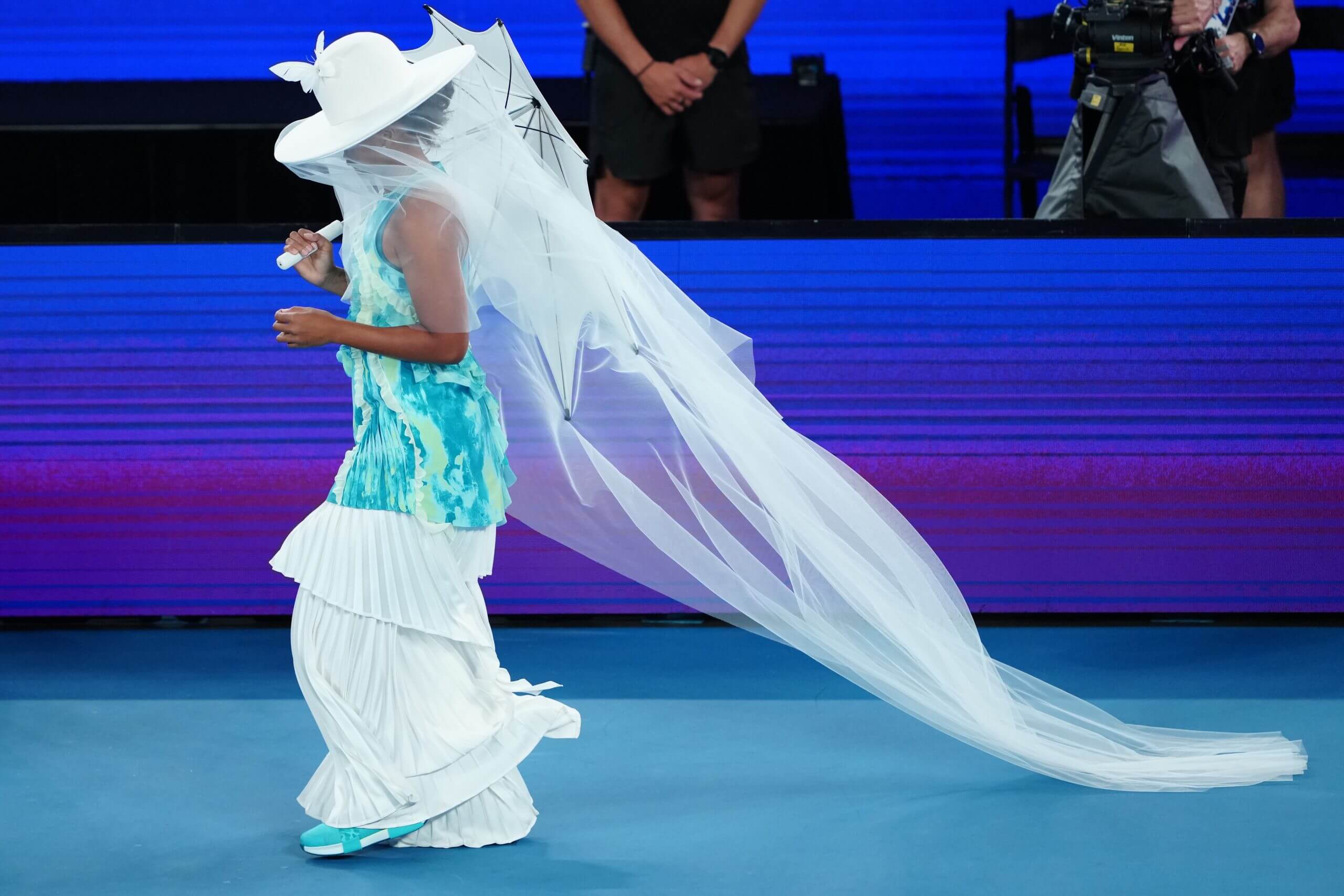
The lights of Rod Laver Arena have seen their fair share of theater over the decades, but when Naomi Osaka stepped out for her opening match at the 2026 Australian Open, the atmosphere shifted from sporting event to avant-garde performance art.
In an era where “kit reveals” are often just a change in color palette, Osaka reminded the world that for her, the walk-on is a sacred space for self-expression.
The look — a breathtaking synthesis of structure and movement — immediately ignited social media.
To the casual observer, it was a bold fashion choice. To Osaka and her team, it was a project months in the making. Speaking after her hard-fought victory, Osaka pulled back the curtain on the meticulous planning required to pull off a viral moment that was as much about architecture as it was about athletics.
“This is definitely months in planning,” Osaka revealed during her post-match press conference. “Obviously you kind of have to prep for this and you also have to like see the design see if it works see if you can walk.”
The inspiration for the ensemble was a layered tribute to her own history and the natural world.
“The inspiration was obviously the jellyfish and then butterflies which kind of ties back to the butterfly moment I had here a long time ago in 2021,” she explained, referencing the famous instance where a stray butterfly landed on her face mid-match.
This time, the theme felt almost predestined by the environment of the tournament itself. “It just felt like everywhere I looked the theme was water… obviously the walk out was like like you see oceans and waves so I thought that it was really beautiful and a a really amazing coincidence.”
However, bringing high fashion to a tennis court involves logistical hurdles that the average runway model never has to navigate. While most players are worried about their string tension or the heat index, Osaka was concerned with the physical dimensions of the stadium’s architecture.
“The scariest thing for me was I didn’t know if the umbrella could fit in the tunnel,” Osaka admitted with a laugh. The tension of the moment wasn’t just about the impending match, but about the physics of her entrance. “I did low key like hit hit a couple of the little boards but I think it worked.”
The result was a silhouette that many fans immediately began comparing to hip-hop icon Young Thug’s legendary Jeffrey album cover.
It was a comparison Osaka was well aware of before she even stepped foot on the blue courts of Melbourne. “I really did think about that when we were doing the shoot,” she noted, acknowledging the rapper’s “iconic” influence on the aesthetic.
The creation process described by Osaka sounded less like a corporate branding meeting and more like a playground for imagination. “I feel like for us we were just so happy to create,” she said. “We were just kind of in there in the studio like kids just like you know just trying to figure it out it was like a dance.”
For Osaka, being “extra” isn’t a distraction from the game. It is a vital part of her preparation. While some critics argue that flamboyant outfits can add unnecessary pressure, Osaka views it through a lens of mental health and personal fulfillment.
“For me I just feel like I want to do things that like create joy and happiness,” she told reporters. “I really love fashion and that makes me like excited to wake up and like do the whole like walk-on or whatever and it just creates a little bit more joy in that whole match preparation.”
She dismisses the idea that a bold outfit makes a loss more embarrassing. In fact, she has embraced a sense of humor about the high-stakes world of sports fashion.
When asked if she feared losing while wearing such a statement piece, she replied with a grin: “If she beats you then that’s unfortunate but hey at least you’re trending on Twitter.”
Ultimately, the “jellyfish-butterfly” look was a reminder of why Naomi Osaka remains one of the most compelling figures in the sport. By blending the avant-garde with the athletic, she isn’t just playing a match; she is curate-ing an experience.
As she walked off the court a winner, it was clear that the months of planning, the studio “dances,” and the nervous moments hitting the tunnel boards had paid off. The queen of the court had returned, and she brought the ocean with her.