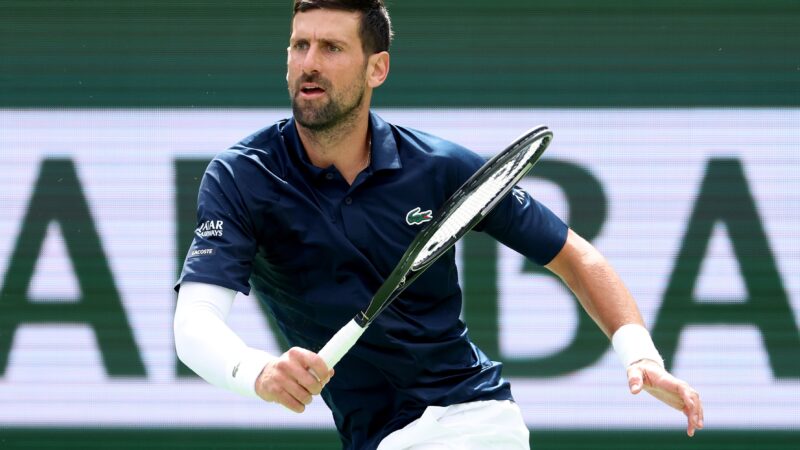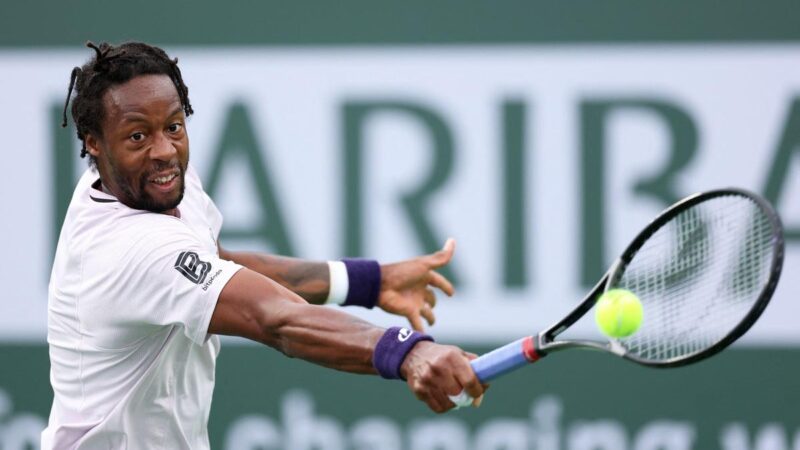
Novak Djokovic abandons the PTPA rebels to walk the high wire alone
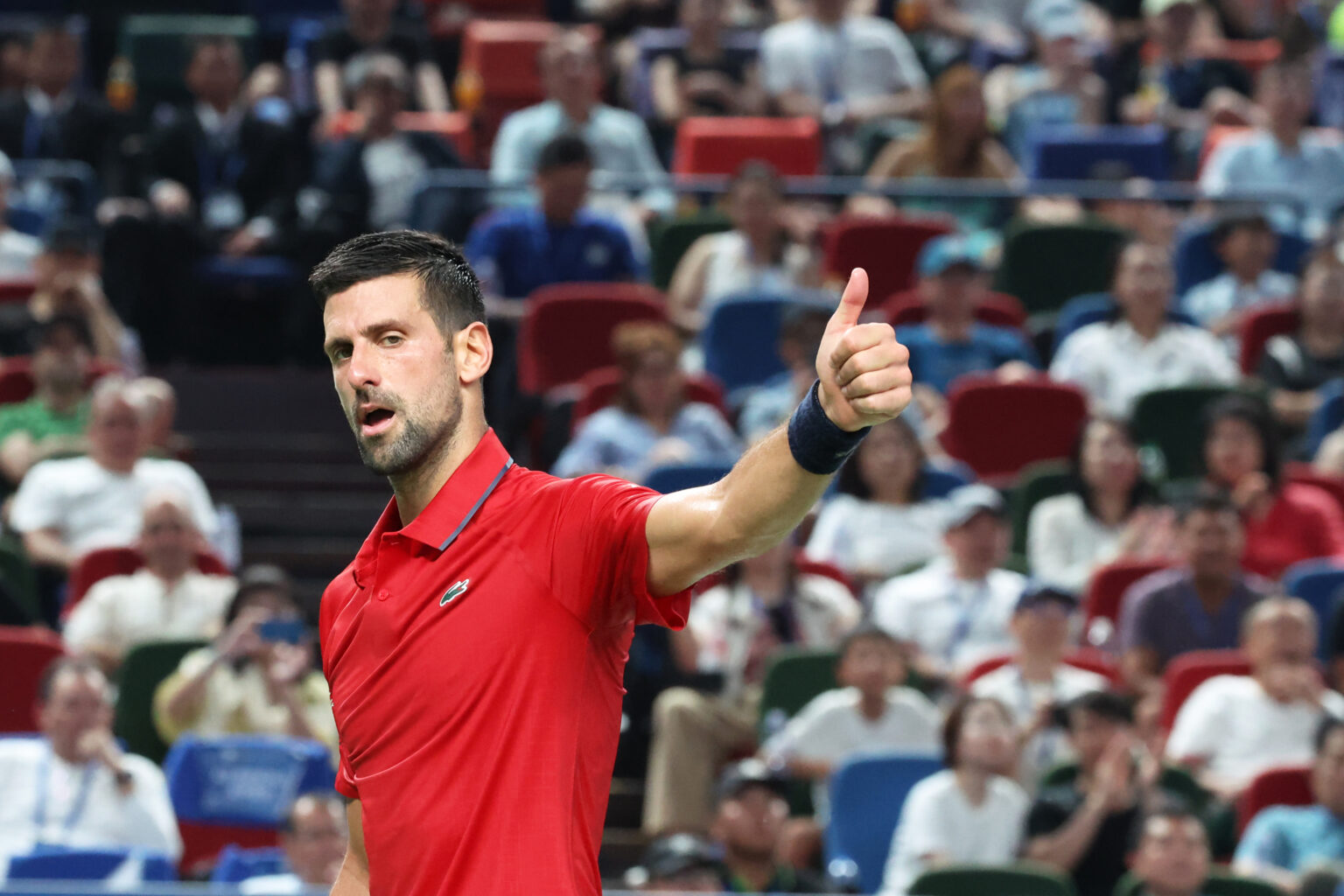
I’ve spent two decades watching Novak Djokovic dismantle opponents with a precision that borders on the surgical, but I’ve rarely seen him sever a tie as cleanly or as coldly as he did this past Sunday.
The announcement that Djokovic is “stepping away completely” from the Professional Tennis Players Association (PTPA) isn’t just a change in his off-court portfolio; it’s a political earthquake.
For five years, the PTPA was the hill Djokovic seemed willing to die on, a revolutionary vanguard he co-founded to challenge the iron grip of the ATP and the Grand Slam “cartel.” Now, as he approaches the twilight of his career at 38, the man who built the house has decided to burn it down on his way out.
The phrasing of his exit was particularly biting. Citing concerns over “transparency, governance,” and the representation of his “voice and image,” Djokovic effectively accused his own organization of mismanaging his brand.
In the world of elite sports, “voice and image” is code for “I don’t like how you’re using my face to sell a fight I no longer want to lead.”
I’ve followed this saga since that sweltering 2020 U.S. Open afternoon when Djokovic and Vasek Pospisil gathered a group of masked, socially distanced men on a court to declare independence.
At the time, it was a middle finger to the establishment. It was a move that alienated him from Roger Federer and Rafael Nadal. But as the PTPA grew more litigious, filing antitrust suits against the very tours that provide Djokovic’s stage, the cracks began to show.
Djokovic has always been a master of the tightrope, but even he couldn’t balance being the sport’s greatest ambassador and its most prominent litigant. When the PTPA sued the ATP, WTA, and the four Grand Slams, labeling them a “cartel,” Djokovic notably declined to be a named plaintiff.
He wanted the reform, sure, but he didn’t want his name on the subpoena.
He spent the last year watching the PTPA descend into a street fight with the ATP, which was a fight that included federal judges ruling on “coercive and deceptive” behavior by tour officials, while he was busy signing multi-million dollar deals with Saudi investors.
Let’s be honest. It’s hard to be a man of the people when you’re eyeing a piece of the Saudi-backed “Premium Tour” future.
Djokovic’s frustration, which he signaled back in New York last summer, seemed to stem from a feeling that he was the only one doing the heavy lifting while the younger generation — the Alcarazes and Sinners of the world — sat comfortably on the sidelines.
He’s tired of being the rabble-rouser. He wants to be the elder statesman, and the PTPA’s increasingly militant direction was making that impossible.
The PTPA’s response to his departure was equally frosty, dripping with the kind of legalese that suggests a messy divorce. Their mention of “inaccurate and misleading narratives” and “witness intimidation” suggests that the bridge between him and Executive Director Ahmad Nassar has been vaporized.
And then came the second shoe.
Less than twenty-four hours after the political split, Djokovic announced his withdrawal from the Adelaide International. He claims he’s “not quite physically ready,” a phrase that sounds ominous for a man who hasn’t played a competitive match since early November.
By skipping Adelaide, his only scheduled warm-up, Djokovic is choosing to walk into Melbourne Park cold.
Entering the 2026 Australian Open at age 38 with zero competitive matches under his belt is the ultimate high-wire act. He is chasing a 25th Grand Slam title—a number that would finally, mathematically, end any “Greatest of All Time” debate.
But the distractions are mounting. He is arriving in Australia not as the leader of a unified player front, but as a man alone, having alienated both the establishment he fought and the rebels he led.
In the past, Djokovic has used “us against the world” as fuel. He thrives on friction. But this feels different. This isn’t a locker room dispute but a structural collapse of his off-court legacy.
He’s betting that he can ignore the political fallout, silence the whispers about his physical readiness, and somehow find seven wins in the Melbourne heat.
It’s a massive gamble. Then again, Novak has always been better at math than the rest of us.