Roger Federer reveals he sees his own offensive soul in Carlos Alcaraz
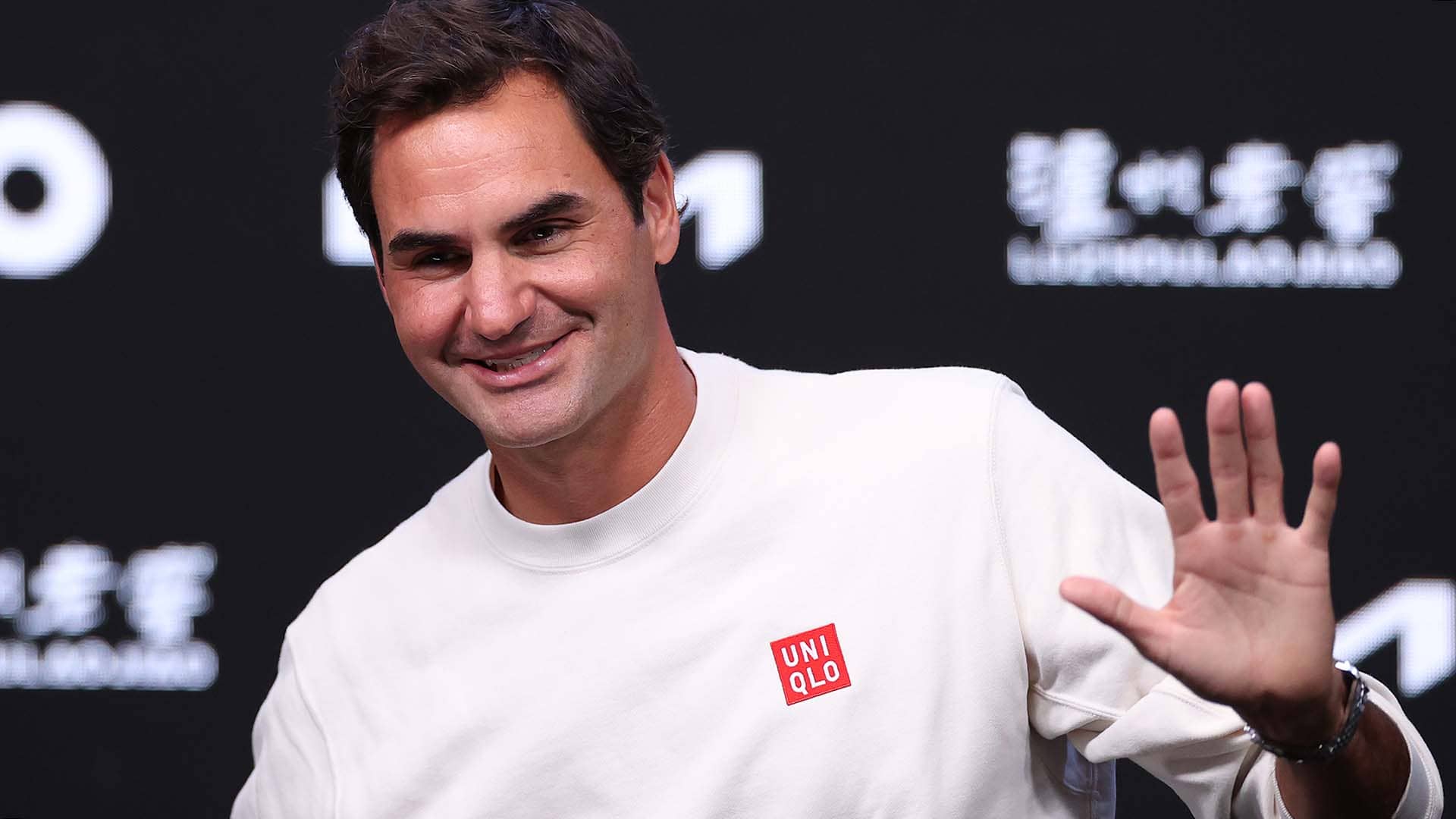
The King has returned to his kingdom, albeit wearing a distinct lack of tennis gear.
Back in Melbourne for the 2026 Australian Open, Roger Federer looked relaxed, soaking in the atmosphere of a tournament he once ruled with an iron fist in a velvet glove.
He was there to reminisce, to marvel at the facility upgrades, and to prepare for an emotional return to Rod Laver Arena for the opening ceremony—a prospect that he admitted made him nervous enough to want to “rip the band-aid off.”
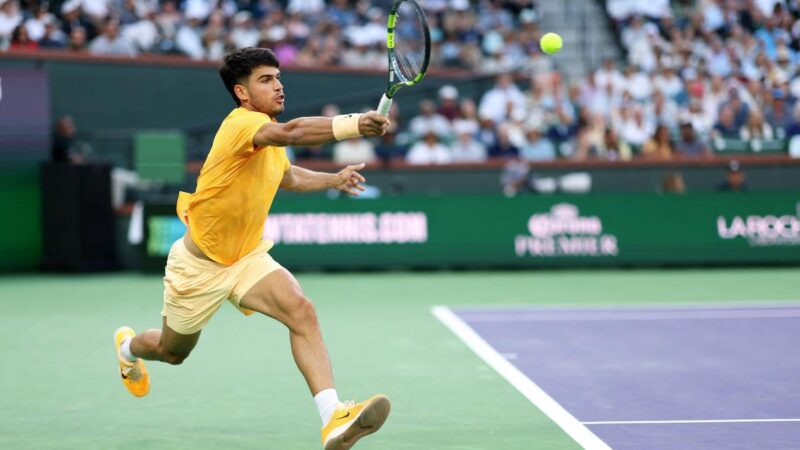
But even in retirement, five years removed from his last professional match, Federer remains the sport’s ultimate barometer of style and grace. And when the Swiss Maestro looks at the current ATP landscape, his gaze settles with a peculiar sense of familiarity upon one man. Carlos Alcaraz.
For years, pundits have scrambled to find Federer’s successor.
The search is often futile; genius is rarely replicated. Yet, in a candid moment with the press, Federer offered perhaps the most significant endorsement of the post-Big Three era. He admitted that watching the young Spaniard feels remarkably like looking into a kinetic mirror.
Federer noted that when he watches Alcaraz play, he immediately recognizes their “shared offensive mindsets and shot selection.”
It is a profound observation. It isn’t just about power or speed — attributes possessed by many on tour — but rather the philosophy of attack.
It’s the willingness to take the ball early, to venture forward, and to dictate play with flair rather than relying solely on brute force baseline attrition. It is the recognition of an artistic soul in a increasingly physical game.
The distinction becomes clearer when Federer contrasted Alcaraz with his great rival, Jannik Sinner.
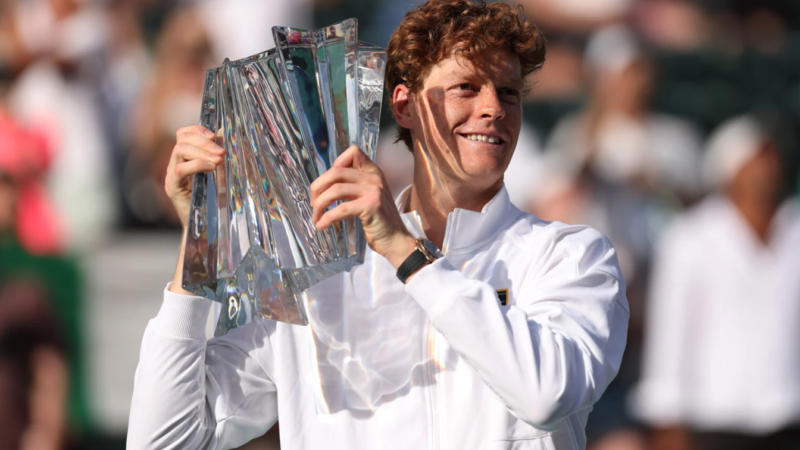
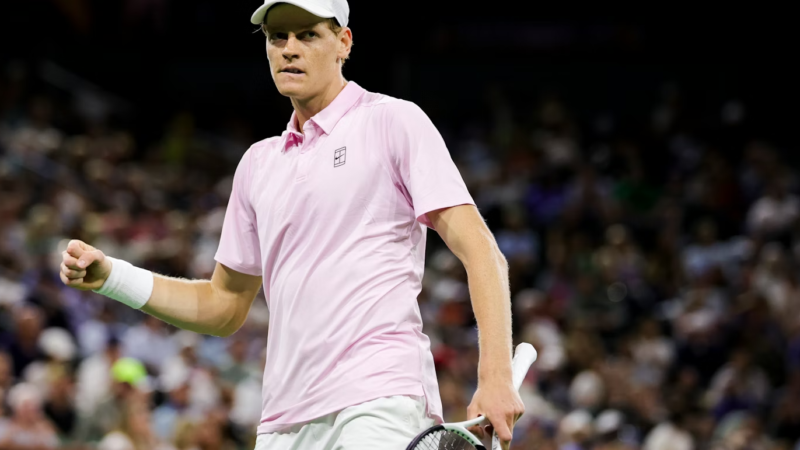
Federer was quick to heap praise on the Italian world number one, labelling both young guns as “incredible ball strikers.” He even called their recent French Open final battle “unreal” and vital for the health of the sport.
Yet, his connection to their respective game styles differs greatly. When discussing Sinner, Federer admitted he only recently began to intellectually “visualize how he might have played against Sinner,” constructing mental game plans against the Italian’s formidable baseline fortitude.
With Alcaraz, however, no visualization is necessary. The understanding is visceral. It is intuitive.
Federer, the man who famously coined the phrase “The Happy Slam” noting the unique energy down under where everyone is energized rather than exhausted, seems genuinely content with the state of the game he left behind.
He noted that retirement has been “much easier” than expected, filled with family time and a control over his schedule he hasn’t enjoyed in decades.
But there is a deeper comfort visible in his words, a comfort in knowing that the aggressive, creative brand of tennis he pioneered hasn’t retired along with him.
By explicitly identifying his own attacking DNA in Alcaraz’s shot-making, Federer isn’t just paying a compliment to a current champion; he’s validating the survival of artistry.