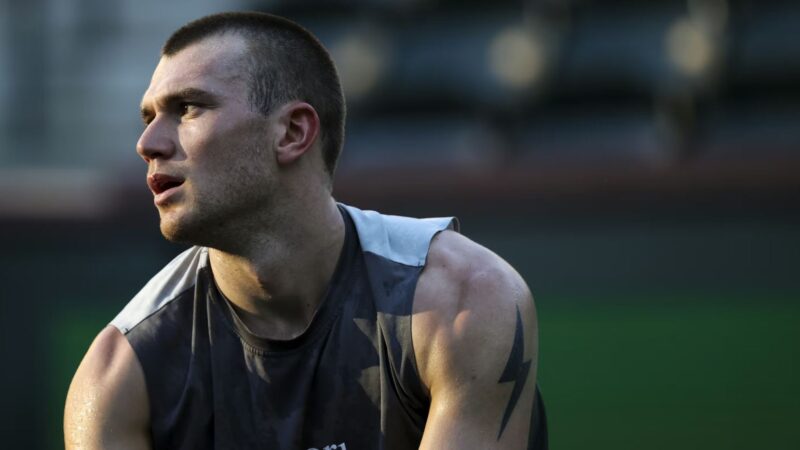
Taylor Fritz and the long shadow of a desert dream
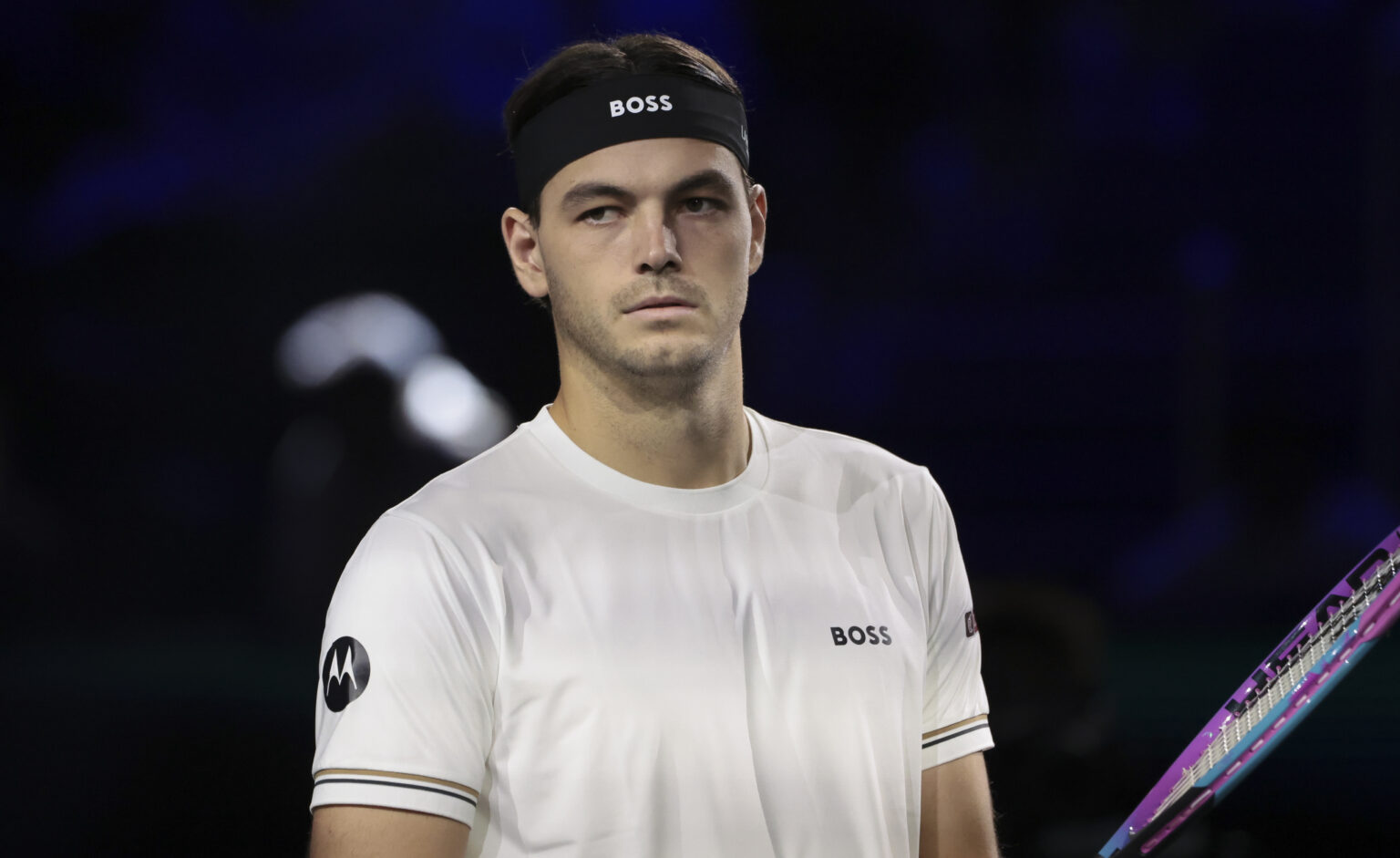
The air in Indian Wells carries a specific kind of magic for Taylor Fritz. It’s the scent of blooming desert jasmine, the erratic swirls of San Jacinto wind, and the weight of a trophy that, four years ago, transformed him from a promising talent into an American icon.
But as the 2026 edition of the BNP Paribas Open kicks off, Fritz isn’t just looking at the brackets. He’s looking in the mirror at a man who has lived an entire lifetime since that breakthrough Sunday.
Reflecting on his career today, the World No. 7 doesn’t see a linear progression. Instead, he sees a sharp divide, a “before” and “after” that was forged right here in the Coachella Valley.
“I feel like kind of just an entirely different career almost the last couple of years from the first, like, five or six I was on tour,” Fritz admits. It is a candid confession from a player who has spent a decade under the professional spotlight, yet feels he only truly began his journey four years ago.
That journey reached its zenith in 2022. It was the tournament of a lifetime. A week where the script felt written by Hollywood. Fritz entered the final against Rafael Nadal with a high-grade ankle sprain so severe his coaches, Mike Russell and Paul Annacone, begged him not to take the court. He ignored them.
He went out, numbed by adrenaline and grit, and snapped Nadal’s 20-match winning streak to become the first American man to win the title since Andre Agassi in 2001.
“Yeah, when I look back at it, it was just like an amazing week,” Fritz says, the nostalgia evident.
“I was playing the big points really well, I was serving really well, and then you just go on and take a title. It was great. I feel like I was playing really good tennis to start that year. I felt confident, I felt like I had a lot to prove back then to myself, because I wasn’t ranked as high, but I felt like my level was there, and it was, yeah, one of the best, if not ‘the’ best, week of my career.”
But time in tennis moves at a different speed. When asked if that triumph feels like a lifetime ago, Fritz pauses. The gap between the 24-year-old underdog and the 28-year-old veteran is wider than the years suggest. “It feels like two years ago, but it was actually, like, four years ago, so…”
The Fritz of 2026 is a more refined, perhaps more weary, version of that desert conqueror. The “new stuff” he is learning these days isn’t about how to hit a cross-court forehand—it’s about survival.
The reckless abandon that allowed him to play through excruciating pain in 2022 has been replaced by a calculated, almost scientific approach to longevity.
“Now it’s more of a battle with, I’d say, physically just being there as opposed to before it was more about being able to practice and always continue to improve and put all the time in on court,” he explains. “Now I think it’s more about just the level is going to be there. I just need to be physically able to, you know, give everything in matches.”
Coming off a rest week in LA rather than competing in Acapulco, Fritz is prioritizing the “physical battle” over match rhythm.
He’s arrived early in Tennis Paradise to “figure out the conditions” and “get used to the courts,” knowing that his ranking — now firmly entrenched in the elite — demands a different kind of preparation than the hungry climb of his early 20s.
The shadow of 2022 will always loom large here. For the fans, it’s a memory of a local boy making good.
For Fritz, it’s a benchmark of what happens when confidence and health align perfectly. As he navigates this “second career,” the goal remains the same. To find that “best week” once more, even if the body carrying him there is a little more battle-scarred than before.