The 40-year old Swiss warhorse and the American who can’t imagine tomorrow
The air in Melbourne Park often carries a heavy humid heat, but inside the press room on Day 5, the atmosphere was thick with a different kind of weight — the weight of time.
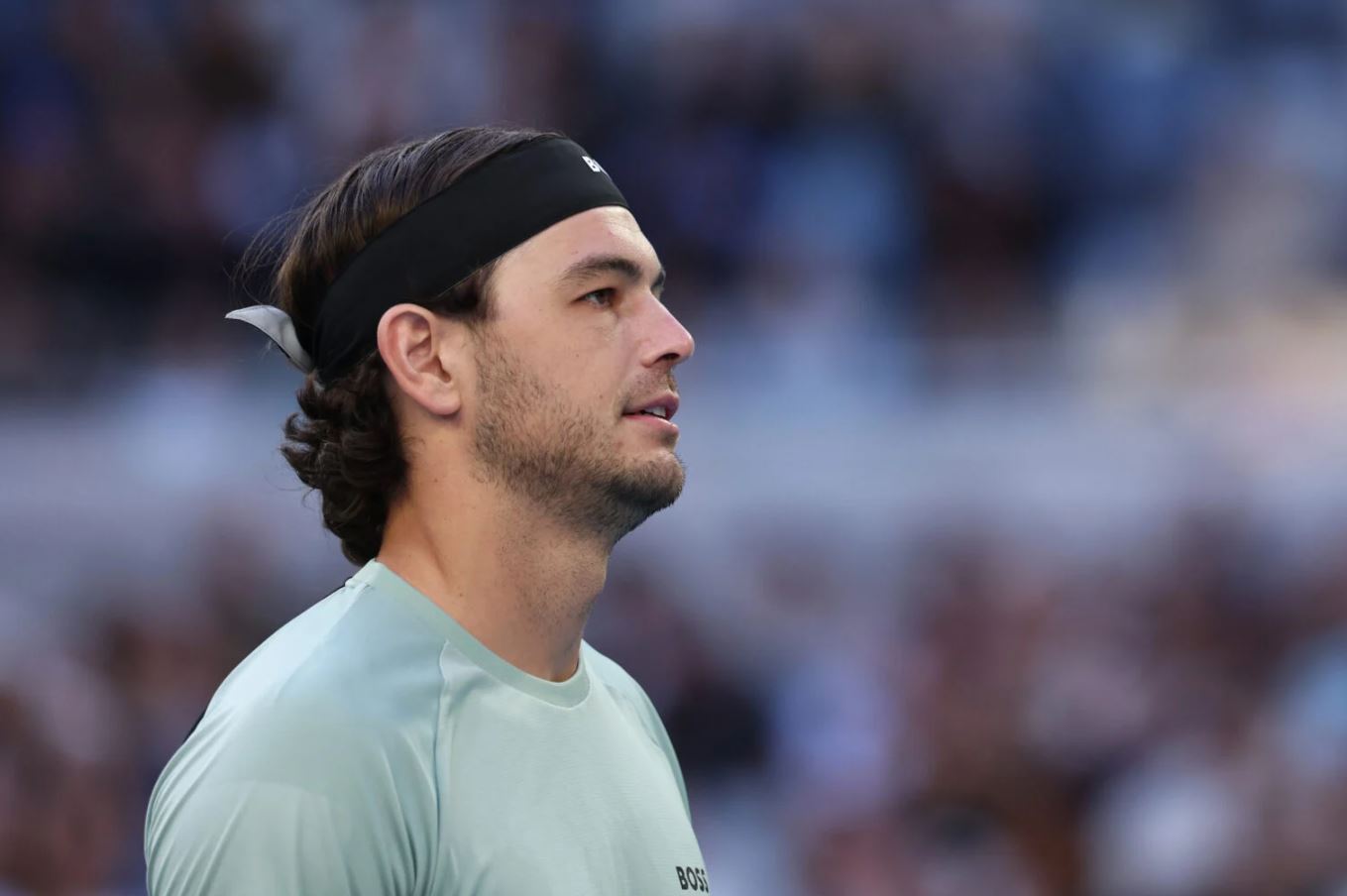
Taylor Fritz had just navigated a tricky second-round encounter against Vit Kopriva, yet as the World No. 9 leaned into the microphone, his mind wasn’t on the victory he had just secured. It was on the man he has to face next.
Stan Wawrinka, the 2014 champion and a three-time Grand Slam winner, is currently authoring the final chapter of a storied career. At 40 years old, Wawrinka is a living relic of an era defined by physical brutality and mental steel.
He reached the third round this week by outlasting a player nearly half his age in a four-hour, 33-minute marathon—the longest match of the tournament so far.
For Fritz, who is 28 and currently managing a knee injury with the help of anti-inflammatories, the mere sight of Wawrinka’s endurance is enough to trigger a minor existential crisis.
“Can you imagine playing tennis at 40?” a journalist asked.
Fritz didn’t hesitate. “No, not at all,” he admitted, a weary smile tugging at the corners of his mouth. “I can barely imagine playing in like four years from now.”
It was a startlingly honest admission from the top-ranked American. In a sport that often demands a deluded sense of invincibility, Fritz’s candor highlighted the widening gap between the “old guard” and a generation that is perhaps more acutely aware of the ticking clock.
Fritz is currently at the peak of his powers, yet he speaks about the future as if he is already feeling the rust in his joints.
The fascination with Wawrinka’s longevity isn’t just about the number on his birth certificate. It’s about the way he plays. The Swiss star, known as “The Stanimal” in his prime, has built a career on surviving five-set wars.
He now holds the Open Era record for the most five-set matches played at Grand Slams, surpassing even Roger Federer.
When asked what specific talents allow a player to excel in the best-of-five format — especially at an age when most pros have long since moved into the commentary booth — Fritz pointed to the intangible traits of the Swiss veteran.
“Yeah, I mean, I mean, the, the obvious thing is, is fitness but then the other thing is just I’d say being a really good, uh, competitor,” Fritz explained. “You know, people that, uh, compete really well tend to win out over, you know, the longer matches and it, it speaks to how great of a competitor he is.”
Fritz also noted the tactical advantages that come with experience and time. “And then also I’d say, you know, the ability to make changes in your game in a three out of five set match, you have a lot more time to, to kind of figure things out and and adjust than you would in a two out of three.”
The upcoming clash between Fritz and Wawrinka is a collision of philosophies. Fritz represents the modern, data-driven, hyper-efficient pro who understands that the window for greatness is narrow.
He is open about the fact that he is “masking the pain” in his knee just to compete this fortnight, admitting, “I’m probably getting a bit overconfident with how it feels because I’m on obviously anti-inflammatories and stuff… it’s obviously masking the pain.”
Wawrinka, meanwhile, seems to exist outside of normal physical constraints. He is playing for the sheer, agonizing love of the fight, famously telling the Kia Arena crowd after his latest epic that he was “exhausted” but trying to “last as long as possible” in his farewell season.
As Fritz prepares for the encounter, there is a clear sense of reverence for the man across the net. “I’m, I’m excited for it. I think it’ll be, it’ll be a fun match,” Fritz said. “Obviously, uh, looked up to Stan for a long time and I and I know he’s playing well.”