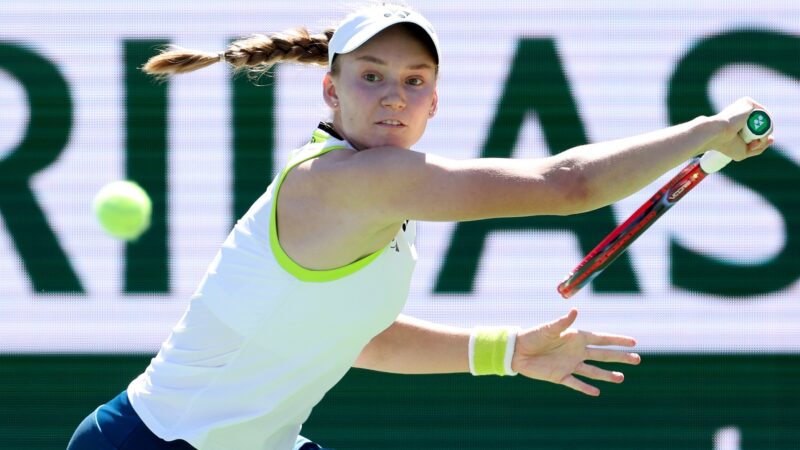
The Mirra Andreeva method: Why the Adelaide champion is still her own biggest fan
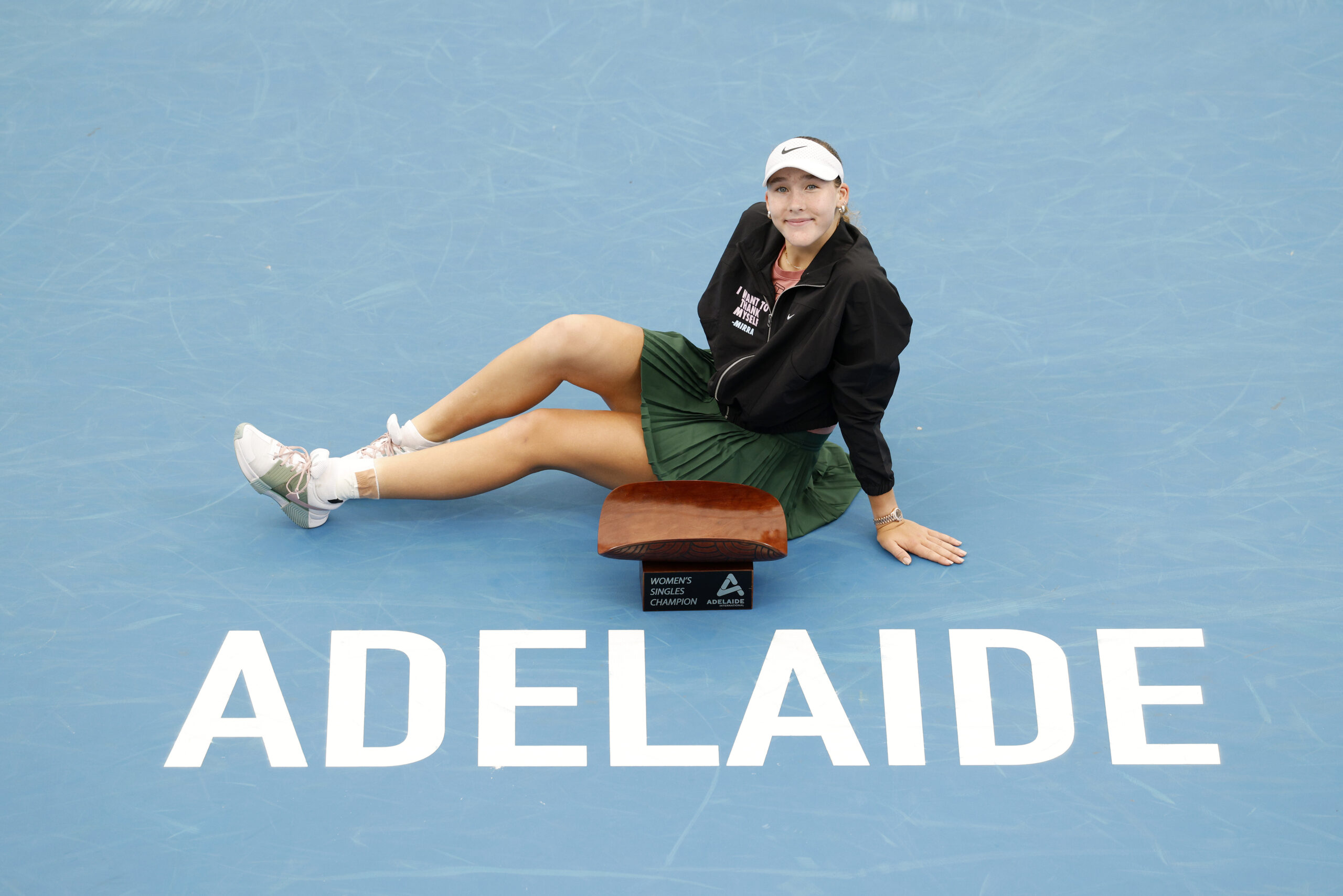
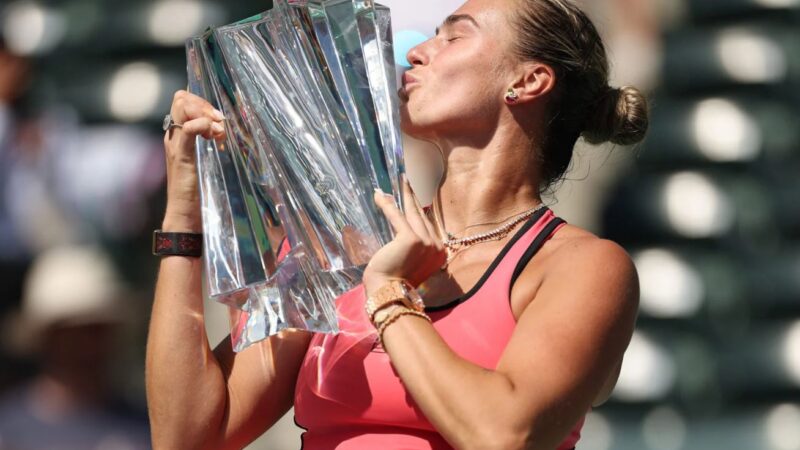
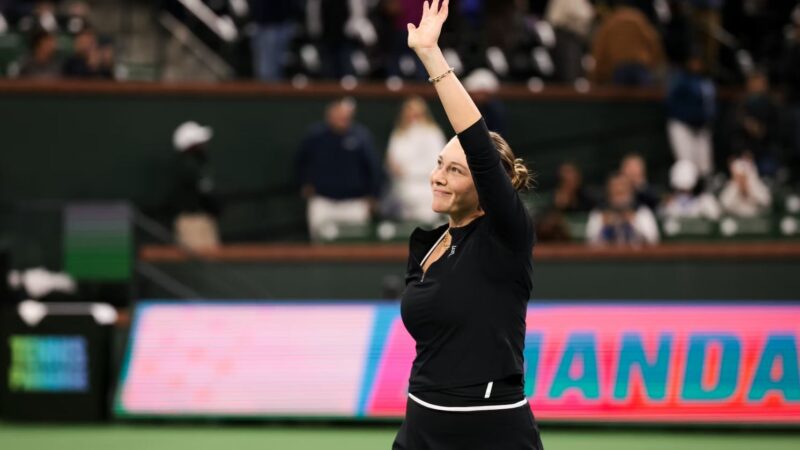
The sun was beginning to dip behind the grandstands at The Drive, casting long, dramatic shadows across the court where Mirra Andreeva had just systematically dismantled Victoria Mboko 6-3, 6-1 to claim the Adelaide International title.
At 18 years old, Andreeva is no longer the wide-eyed “miracle” child who burst onto the scene in Madrid three years ago. She is now a four-time WTA champion and a top-ten fixture.
Yet, as she stood with her trophy, the world saw that while her ranking has matured, her refreshing, unfiltered personality remains perfectly intact.
For most players, the post-match speech is a choreographed exercise in humility. You thank the sponsors, the ball kids, the crowd, and most importantly your team.
But Andreeva has never been one for the standard script.
“Since then, like people love that, when I say that thing,” Andreeva told reporters with a mischievous grin during her post-match press conference. “I said it in Dubai. I said it in Indian Wells. And then, yeah, after that it kind of became the thing that I say on the speech.”
The “thing” in question is her trademark victory sign-off: “I want to thank myself.”
It is a line that would sound arrogant coming from almost anyone else. From Andreeva, it sounds like a manifesto. It’s an acknowledgment of the lonely hours, the physical pain, and the mental grit required to turn a 0-3 first-set deficit, which she faced today, into a clinical victory.
The origin of the phrase is as unconventional as the player herself. While some athletes find inspiration in the biographies of past champions or philosophical texts, Andreeva found hers on the Hollywood Walk of Fame.
“I stole it from Snoop Dogg,” she admitted, laughing. “Because I saw him saying that on some kind of interview when he said, ‘I want to thank me.’ And then his song was playing on the background. So I stole it from him.”
The appropriation of the legendary rapper’s 2018 induction speech has become a staple of her trophy presentations. But beneath the humor lies a profound realization of what it takes to survive at the summit of professional tennis.
After a week of taping blisters and battling through a slow start in the final, Andreeva is acutely aware of who did the heavy lifting.
“I’m the one working every day, practicing, sweating, always tired and spending half the day on the tennis court,” she had reflected previously on the sentiment. “So, I’m going to thank myself.”
The Adelaide final was a microcosm of Andreeva’s current state of play. She started sluggishly, struggling to find her rhythm as the powerful Mboko raced to a 3-0 lead.
A younger Mirra might have panicked; the 2026 version simply adjusted the dial. She reeled off nine straight games, effectively ending the contest before Mboko called for a medical timeout.
Despite the dominance, Andreeva’s week wasn’t without its hurdles. She revealed that her feet have been a “work in progress” all week.
“We’ve been taping my toes all week long since I came here to Adelaide,” she explained. “Every morning it was the same routine. I would come, I would get on the table. The physio would prepare everything for me… And also another physio today, she was like, ‘Let’s make a final toes.’ I’m like, ‘What is that? Like a toast? Like we drink or what?’ And then she said, ‘No, final toes.’ And then she drew like smiley faces on my toes, like cartoon faces.”
It’s this duality that makes Andreeva the most compelling figure in the women’s game. One moment she is a ruthless competitor drawing the life out of an opponent’s game, the next, she’s an 18-year-old giggling about smiley faces on her blisters and admitting that her “party” plans involve a remote control.
“I stayed in the room,” she said of her pre-final evening. “I honestly can’t believe that… I feel like maybe I’m getting old, I don’t know. I don’t go out. Like, I just would rather stay in the room, in my bed, watch Netflix, and order in, and just be in my bed.”
With the Adelaide trophy packed and her toes taped, Andreeva now turns her attention to the Australian Open. She heads to Melbourne with the momentum of a freight train and a mindset that is increasingly bulletproof. While many worry about the fatigue of playing a full tournament the week before a Slam, Andreeva sees only the upside.
“I think if you play a lot of matches, and then you end up winning the match, I mean, to me it doesn’t give anything but confidence in how I play,” she said.