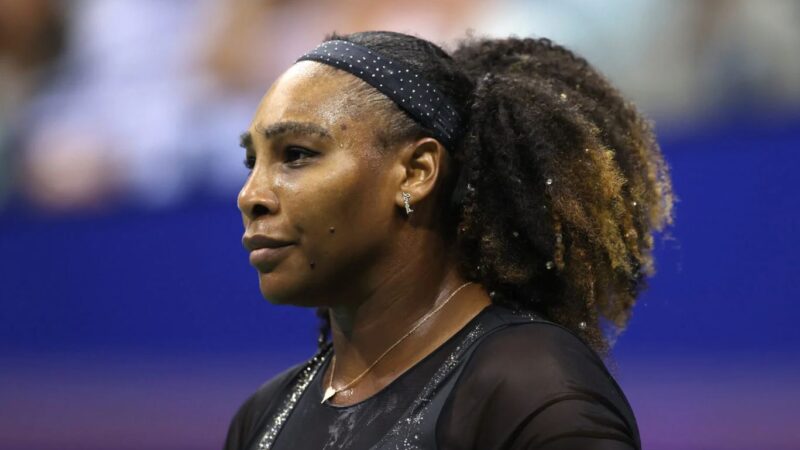
The quiet catalyst that fuels Amanda Anisimova’s fire at Indian Wells
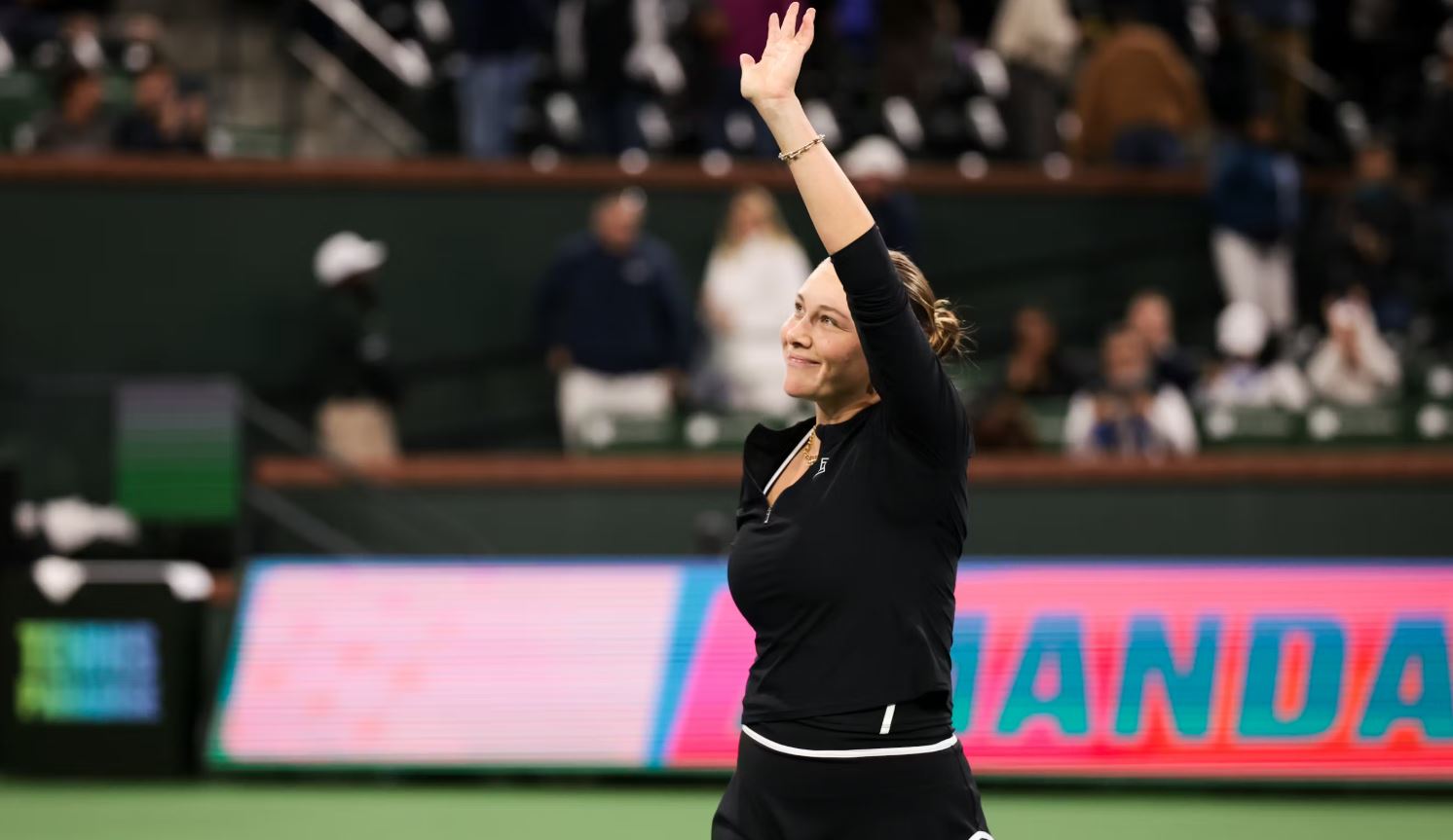
There is a deceptive stillness to Amanda Anisimova. Watching her across the net, you don’t see the theatrical fist pumps of a young Serena Williams or the chest-thumping roars of an Aryna Sabalenka. She doesn’t pace the baseline like a caged tiger or direct operatic outbursts toward her player box.
In a sport increasingly defined by main character energy, Anisimova often moves with the serene, almost detached focus of a gallery artist, which, during her recent sabbatical from the tour, is exactly what she became.
But don’t let the calm exterior fool you. Beneath the composed veneer of the 24-year-old American lies a high-performance engine that doesn’t just run on technical precision. It also runs on the raw, chaotic electricity of the crowd.
Following her $5-7, 6-1, 6-0 comeback victory over Anna Blinkova at Indian Wells, Anisimova pulled back the curtain on a fascinating psychological paradox. For a player who describes herself as naturally reserved, the presence of thousands of screaming fans is a necessity.
“I don’t think I would be able to play if there wasn’t a crowd,” Anisimova admitted during her post-match press conference. “I’m someone who loves to ride off of that energy. I feed off of it.”
The “Tennis Paradise” of the California desert is known for its fickle conditions — the swirling winds, the extreme temperatures, and the occasional sandstorm that can turn a tactical battle into a survival sweepstake.
For Anisimova, the first set against Blinkova was a struggle to find her footing in those elements. Down $4-1 in the opening frame, she looked like a player searching for a spark that her own internal fire couldn’t quite provide.
That’s when the quiet catalyst kicked in. As the Indian Wells faithful began to chant her name, the momentum ignited.
“I’m definitely not the player who riles the crowd up,” she told reporters with a self-deprecating laugh.
“I don’t how to do that. It’s not really in me.” It is a rare admission in the modern era — a professional athlete acknowledging they lack the performative showman gene. Yet, Anisimova has found a way to bridge that gap. She doesn’t lead the choir. She lets the choir lead her.
“When I win a big point, when I’m down like 4-1 like today, and the whole crowd is kind of cheering for my name, that’s kind of when I use it, like okay, come on, show them some better tennis and try to put up a fight,” she explained.
Many players talk about the crushing weight of playing at home. The expectation of a domestic crowd can often feel like a leaden cloak, tightening the swing and shortening the breath.
Anisimova, however, views the home tournament atmosphere in Miami, New York, and Indian Wells as a source of fuel rather than fatigue. While she acknowledged that there is a little bit of pressure with that, her strategy is to flip the script.
When her game feels off, as it did in the first set on Wednesday, the crowd becomes her external conscience. Instead of retreating into her own head — a dangerous place for any tennis player — she looks outward.
“I love playing in packed stadiums when I see there’s a lot of people coming out to watch,” she said. “It really motivates me, it keeps me going.”
The result of this symbiotic relationship was a second and third-set masterclass. After securing the second set $6-1, Anisimova delivered a bagel, leaving Blinkova with no answers for the aggressive, baseline-hugging tennis that has become Anisimova’s signature.
Now, as she prepares for a high-profile showdown with Emma Raducanu in the next round, the narrative of the quiet catalyst will be more relevant than ever. Raducanu, a player who famously thrived on the boisterous energy of New York during her 2021 title run, will likely bring out a similar buzz in the stands.
For Anisimova, that’s exactly the plan. She isn’t looking for a quiet court to find her rhythm. She’s looking for the noise. She’s looking for the fight. And most importantly, she’s looking for the people who will tell her to keep going when her own voice isn’t quite loud enough.