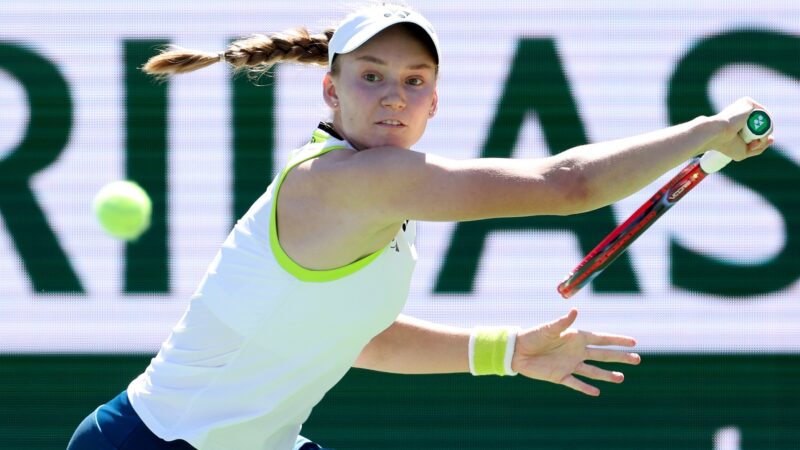
The unapologetic villain: Yulia Putintseva’s fiery stand against a hostile crowd
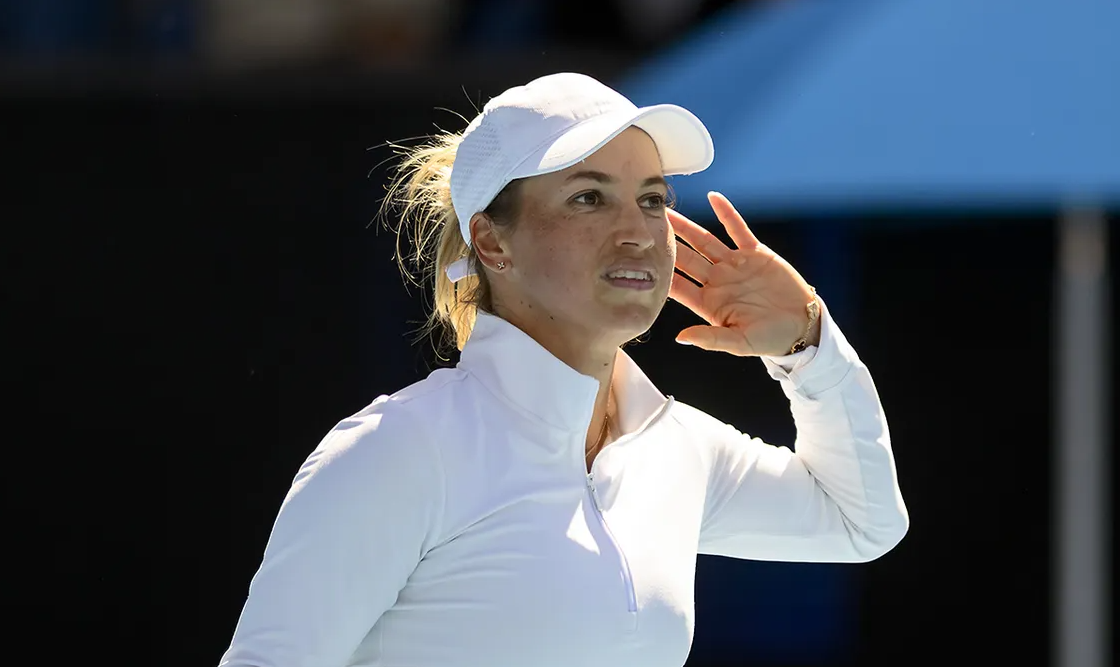
Melbourne Park, January 23rd, 2026. The Rod Laver Arena shimmered under the unforgiving Australian sun, a gladiatorial arena where tennis dreams are forged and shattered.
On one side stood Zeynep Sönmez, the local hero, buoyed by the raucous support of a passionate Turkish diaspora. On the other, Yulia Putintseva, the feisty Kazakhstani, found herself cast in the role of the unapologetic villain.
What unfolded was not just a tennis match, but a captivating narrative of defiance, mental fortitude, and a player who thrives when the world seems to be against her.
Putintseva’s 6-3, 6-7, 6-3 victory over Sönmez in the Australian Open third round was a masterclass in controlled aggression, not just against her opponent, but against an increasingly vocal and at times, disrespectful crowd.
For Putintseva, this wasn’t an anomaly. In her first-round match against Beatriz Haddad Maia, she had already navigated a similarly charged atmosphere. Yet, what transpired against Sönmez elevated the challenge to a new level.
“I mean, there was—there is always like someone in favor and someone to cheer for, and that’s what’s great about the sport,” Putintseva acknowledged in her post-match press conference, her voice a calm counterpoint to the storm she had just weathered.
“But, uh, today I think was really a lot of disrespectful moments when there was screaming between my first and second serve. But screaming not even, like, really loud—like just to make me mistake.”
This wasn’t just general crowd noise. Putintseva perceived it as targeted disruption. The pivotal moment arrived in the deciding set, during a crucial point at 4-3. “I open court very good, I—I take my forehand and the guy just started, like, coughing, like just for my shot.”
It was a deliberate act, and for Putintseva, it was the spark that ignited a new level of resolve. “And I was like, ‘Okay, now I’m not going to lose.’ Like, really, I was ready to take it all, but I was ready to fight like until I die there.”
This is the essence of Yulia Putintseva. She is not a player who shies away from confrontation; she embraces it. The perceived disrespect, rather than crumbling her resolve, seemed to solidify it.
It transformed her into an immovable object, a warrior in a tennis skirt, determined to prove a point. The cough, the shouts, the partisan cheers – they were all just additional opponents in her mental arena.
Her post-match reflection on the crowd’s behavior highlighted a fine line between passionate support and outright interference.
“They were disrespectful in the moment when, like, it was, like, important and they could see that it’s important. They start screaming, like, every time, um, during my shots. Like when she was making great shot but I was still on the run, they were like ‘Yes!’ when it was lit and the ball was coming to my side. They were also, like, screaming to my shots, which was, like, honestly distracted to everyone, especially in this heat when the condition…”
In such an environment, many players would buckle, succumbing to frustration and anger. Putintseva, however, found a surprising wellspring of calm.
“But I’m very happy that I kept my calm, because Yulia last year would, uh, probably throw something at them at some moment.”
This admission speaks volumes, not only about the intensity of the situation but also about a maturing Putintseva. The fire still burns, but there’s a new layer of control, a calculated channeling of that fiery energy.
Instead of unleashing her notorious temper, she turned inward. When asked how she maintained focus amidst the heckling, her answer was uniquely Yulia.
“Honestly, like today in the first match, it’s kind of funny but I was singing a song. It’s like a Russian song. It’s a very old school from old movies. And, the song is about rabbits. Like it has nothing to do with anything. It’s just about rabbits who eats the grass. And I was, like, distracting myself with this.”
Singing about grass-eating rabbits from a decades-old Russian film while battling a hostile crowd on one of tennis’s biggest stages. It’s a testament to her unique mental toolkit, a quirky defiance that epitomizes her persona.
She might be the “villain” in the eyes of some, but she’s a villain with a soundtrack, a purpose, and an unyielding will to win.