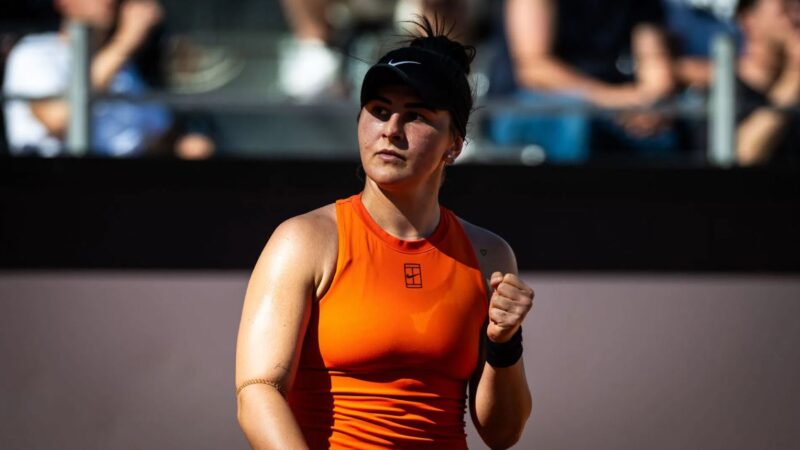
Victoria Mboko and the 323-spot sprints within a marathon
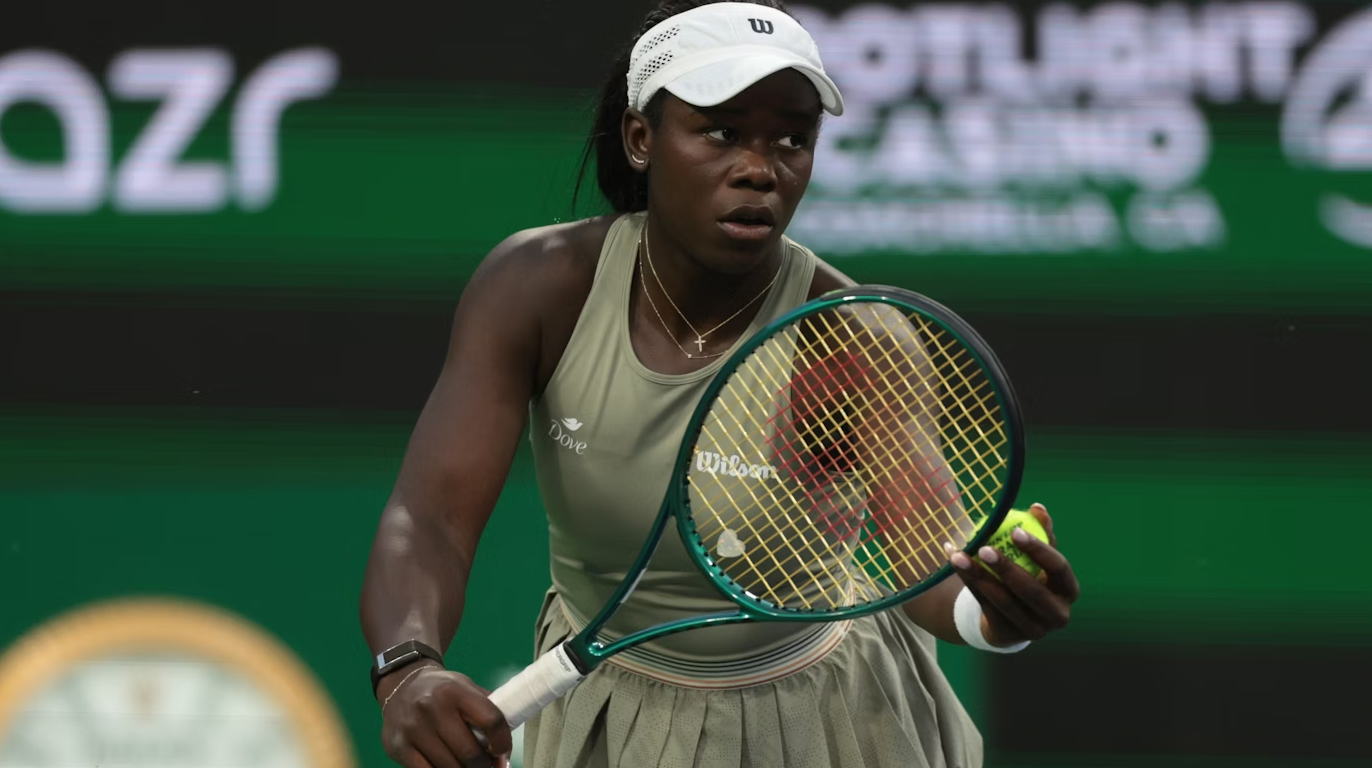
Success in professional tennis is often measured by the “slow grind”. The years spent on secondary courts, the grueling travel through the ITF circuit, and the incremental climb up a ladder that usually feels more like a treadmill. But then there are the anomalies. There are the seasons that defy gravity.
Just over a year ago, Victoria Mboko was ranked No. 333 in the world. She was a name known to Canadian insiders and hardcore junior scouts, but a ghost on the main WTA Tour.
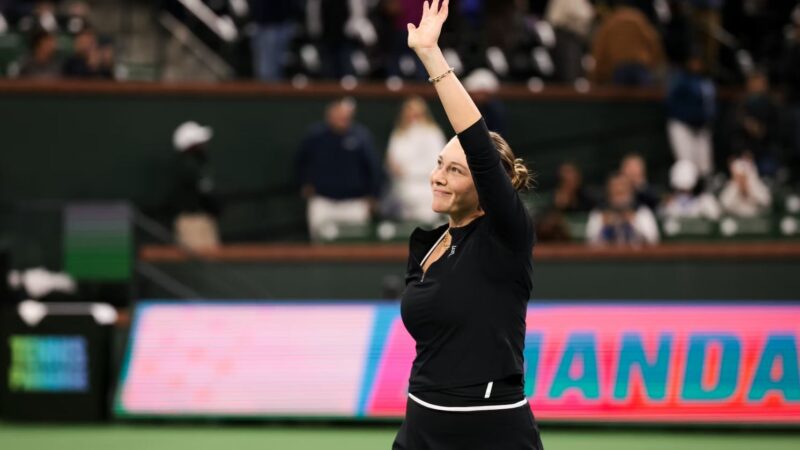
Today, following a clinical 6-4, 6-1 demolition of Amanda Anisimova in the California desert, she is a fixture of the Top 10 and a Grand Slam quarterfinalist-in-waiting.
It is a 323-spot surge that has left the tennis world breathless, drawing comparisons to the early rocket-ship trajectories of Coco Gauff and Mirra Andreeva.
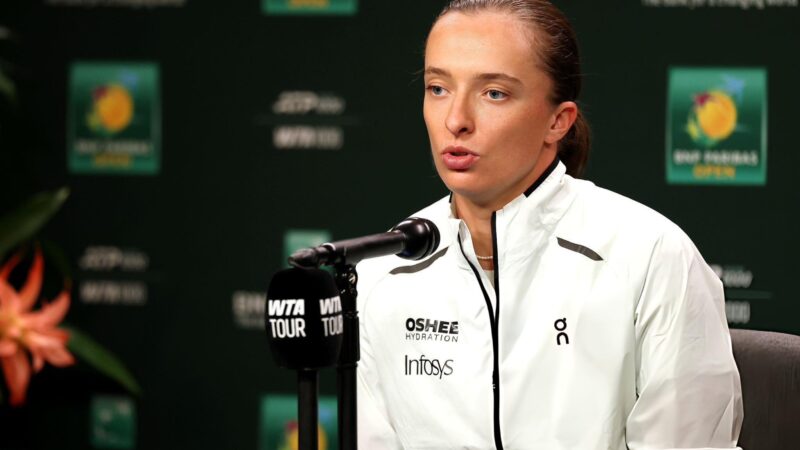
Yet, standing in the press room at Indian Wells, the 19-year-old from Burlington, Ontario, seems remarkably unbothered by the speedometer. To Mboko, this is just a very productive stroll.
“I just think, I mean, I just think if you put a lot of pressure on yourself and have a lot of expectations for yourself, you’re not really going to perform the way you want to,” Mboko told reporters after her win.
“So I just try to come to terms that with every tournament I play, it’s not going to be maybe the way I want it to, but I just want to give 100% effort, and there is always a lesson to learn.”
That philosophical detachment is perhaps the most dangerous weapon in her arsenal. While other young prodigies often buckle under the weight of defending points or live-ranking anxiety, Mboko operates with a self-imposed amnesia regarding the stakes.
Even as she has dismantled Top 10 mainstays and lifted trophies from Montreal to Hong Kong, she treats the ranking computer like a glitch she hasn’t quite bothered to fix.
“Yeah, I feel like I’m one person to never really put expectations on myself, because you could either have a really good week or a bad week,” she explained with a shrug. “I wouldn’t want to kind of put myself down or put myself on a pedestal and say I’m supposed to make this round.”
Her rise may look like a sprint — 357 days from the Top 200 to the Top 10, the fastest such climb since Jennifer Capriati in 1990 — but Mboko insists on a different pace. “It’s a marathon, not a race, you know,” she noted, punctuating the sentiment with a smile.
It is a curious metaphor for someone moving this quickly. In 2025, she won 22 consecutive matches to start the season. By the time the tour hit the North American hard courts, she was upsetting Coco Gauff and taking the title in Montreal.
The “marathon” she describes is internal. It is the mental endurance required to stay level-headed while the world outside tries to crown her the next great thing.
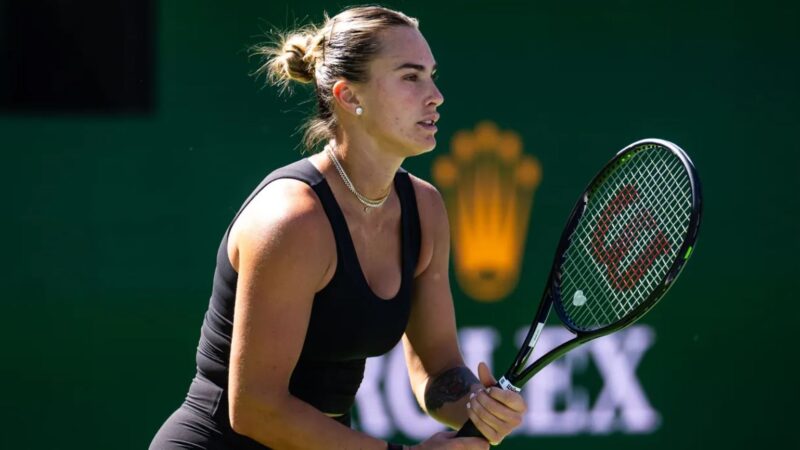
That groundedness was on full display when she reflected on her Australian Open loss to Aryna Sabalenka — the woman she will face again in the quarterfinals here. Rather than dwelling on the “what ifs” of a Grand Slam center court debut, she treated the 6-1, 7-6(1) defeat as a high-level data collection exercise.
“I think it was a big eye-opener playing her in the Australian Open, and I’d say coming into this match, of course, I played her, so I know what to expect,” Mboko said.
“I do think about it a lot, and you always try to see how to improve yourself in those kinds of situations in practice, and hopefully the next round I could be more prepared for those kinds of balls.”
Against Anisimova, that preparation was evident. Mboko “held her ground”, a phrase she uses frequently to describe the physical battle of elite tennis. She moved the American with a depth and heaviness that suggested a veteran’s understanding of court geometry.
As she heads into a rematch with the World No. 1, the narrative surrounding Mboko will inevitably focus on her meteoric rise. But don’t expect the teenager to join in the hype. For Victoria Mboko, the Top 10 is just a milestone passed on a much longer journey.