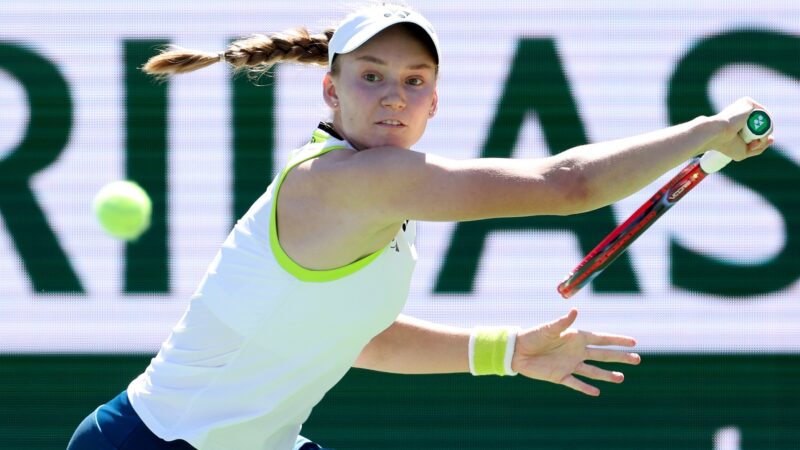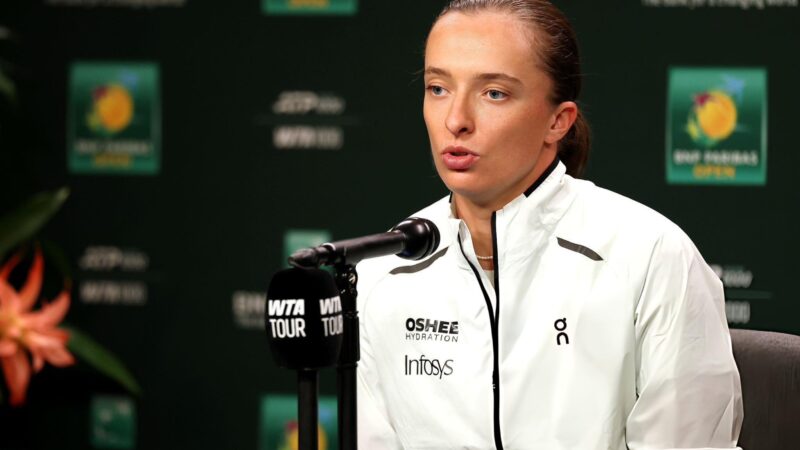
Why knowing Aryna Sabalenka is not enough for Elena Rybakina
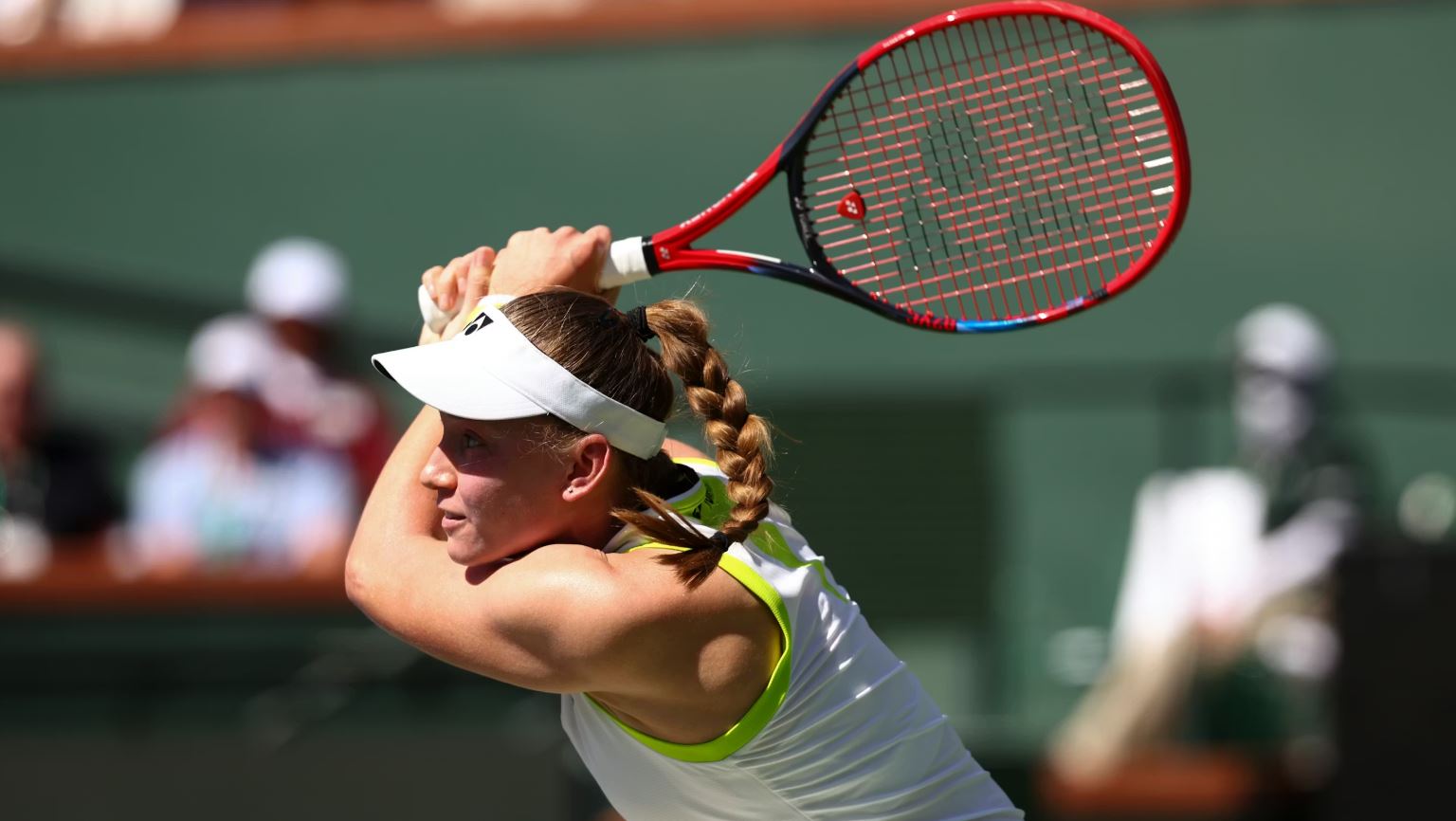
In the high-altitude glare of the California desert, there is a specific kind of silence that precedes a serve from Aryna Sabalenka.
It is the silence of a spectator holding their breath, but for Elena Rybakina, it is the silence of a mathematician who already knows the answer to the equation but must still find a way to survive the result.
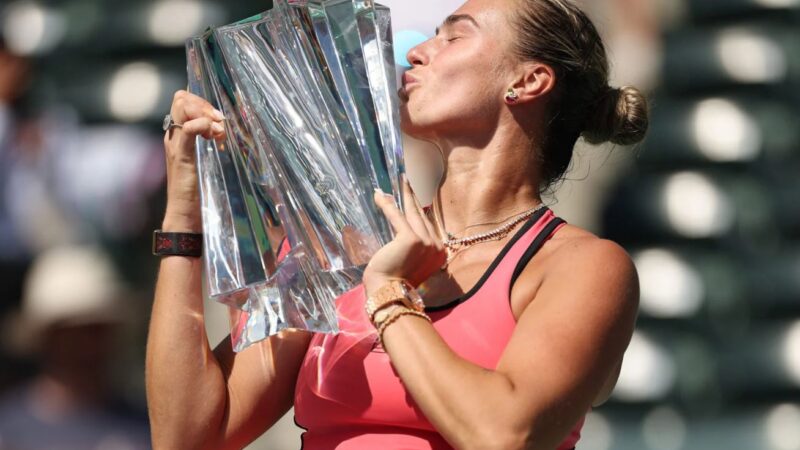
The 2026 BNP Paribas Open final was billed as a clash of titans, a heavyweight bout between the world’s two most consistent ball-strikers. But as the shadows lengthened over Stadium 1 following Sabalenka’s grueling 3-6, 6-3, 7-6(6) victory, the narrative shifted away from tactical innovation.
This wasn’t a match defined by new tricks or hidden strategies. Instead, it was a brutal, transparent war of attrition between two women who have looked across the net at one another so often that the element of surprise has long since evaporated.
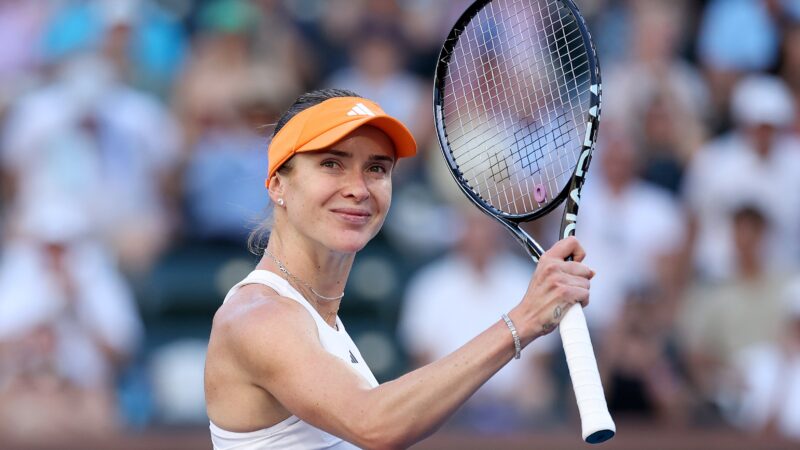
“We have a team which prepares us for different scenarios of the match,” Rybakina reflected in the aftermath, her voice carrying the steady, clinical tone that has become her trademark. “And of course we know our strengths and sometimes even knowing where she serves.”
Therein lies the paradox of the Rybakina-Sabalenka rivalry. In modern tennis, data is king. Coaches dissect heat maps and serve directions until a player’s tendencies are laid bare.
Yet, as Rybakina noted, knowing is only half the battle when the execution is of a certain velocity. “I know if it’s a fast serve, even if you put the racquet doesn’t mean that you can really put it back in, because it’s, like, very strong serves,” she said.
For the first set, it seemed Rybakina’s familiarity with the Sabalenka power game would provide the edge.
She moved with a fluid economy, neutralizing the Belarusian’s “tiger” aggression and dictating play with her own flat, surgical strikes. But as the desert sun climbed, the physical toll began to strip away the tactical layers.
By the second set, the match had transitioned from a chess game to a survivalist’s endurance test.
Rybakina, who had enjoyed a run of late-night matches leading into the final, found the morning heat an unexpected adversary. “I think the sun was pretty strong, and I would say that it hit me in the second set quite a lot,” she admitted. “I really couldn’t push much.”
As her energy dipped, the match entered what Rybakina described as the roulette phase. When two players of this caliber reach a third-set tiebreak, the sophisticated game plans developed in the film room are replaced by instinct and raw willpower. At 6-6 in the final set, there were no secrets left to exploit.
“It’s roulette,” Rybakina said of the closing moments. “You cannot say that someone did something extraordinary.”
The difference, ultimately, was measured in inches and heartbeats. Rybakina held a match point, a fleeting window to claim her second Indian Wells title in three years.
Sabalenka, true to her nature, produced a return that erased the opportunity. It was a moment Rybakina dwelled on with uncharacteristic self-critique. “I had the one match point and she returned pretty well… from my side, I could say that I should have done better in the end.”
Despite the loss, the match solidified this rivalry as the definitive power struggle of the mid-2020s.
While other players might look to junk balls or pace changes to unsettle Sabalenka, Rybakina remains committed to the direct approach. She is perhaps the only player on the WTA Tour who can stand toe-to-toe with the World No. 1 and refuse to blink.
“In these matches, you need to have energy, you need to move well because she plays fast also,” Rybakina concluded. “We both trying to change some things, and in the important moments, I think the difference is of this extra energy, extra push.”