World No. 1 Aryna Sabalenka welcomes five set test with open arms
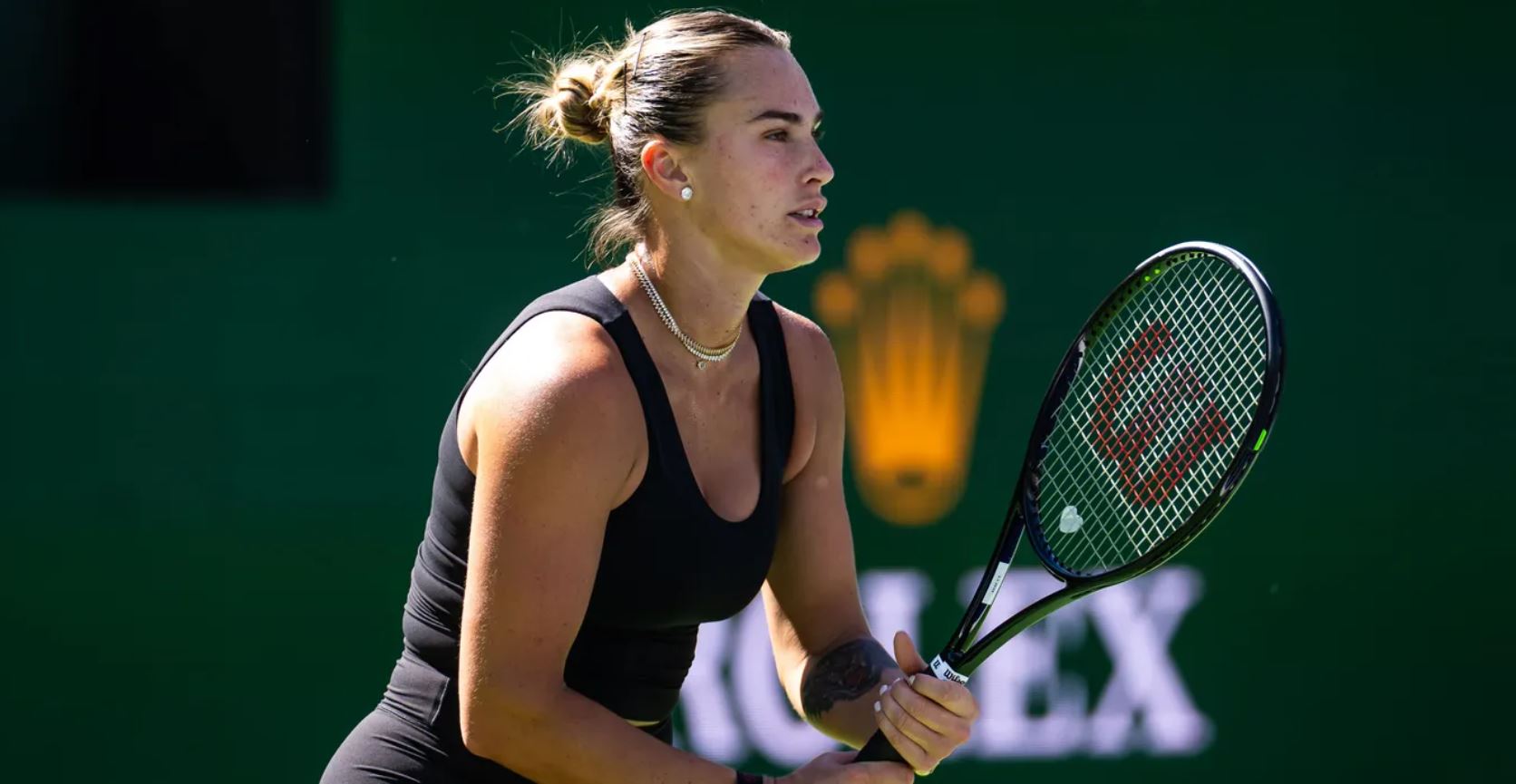
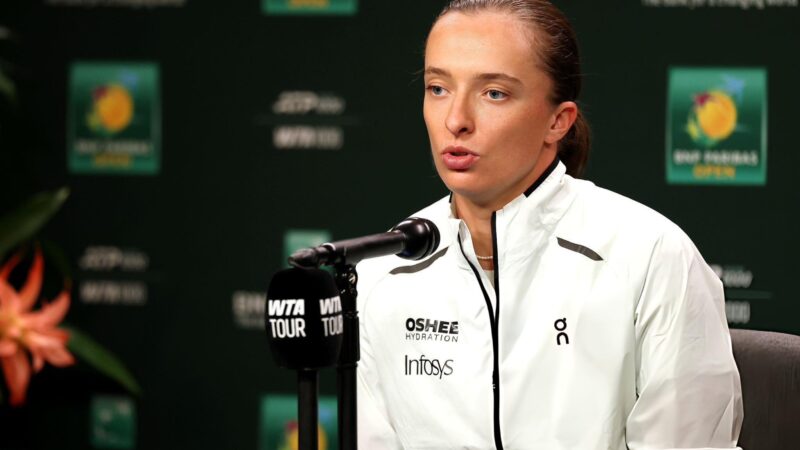
The dry, desert air of Indian Wells often brings out the boldest versions of the world’s elite. Known as “Tennis Paradise,” the Coachella Valley is a place of renewal, but for World No. 1 Aryna Sabalenka, it’s also a place to set the record straight on the evolution of the women’s game.
Amidst the usual chatter of health data and fashion partnerships, a long-simmering debate was reignited. Should women join their male counterparts in playing best-of-five sets at the Grand Slams?
While many in the locker room might shudder at the thought of adding two more sets to a grueling three-hour slugfest, Sabalenka didn’t hesitate.
In fact, she looked like she had been waiting for the question. When asked about Australian Open chief Craig Tiley’s proposal to implement the longer format for the second week of majors, her response was swift and brimming with the confidence of a player at the height of her powers.
“Oh, let’s do that,” Sabalenka said, her eyes lighting up with a mix of mischief and competitive fire.
It wasn’t just a casual agreement; it was a tactical endorsement. For Sabalenka, the transition from best-of-three to best-of-five seems like an opportunity to widen the gap between herself and the chasing pack.
In a sport where matches are often decided by a few points in a third-set tiebreak, Sabalenka sees the longer format as a canvas where her physical superiority can truly be painted.
“Yeah, let’s do that,” she reiterated when the idea of introducing it from the quarterfinals onward was floated. “I feel like I would have probably more Grand Slams. I feel like physically I’m really strong, and I’m pretty confident that my body can handle that. So let’s do it.”
It is a terrifying thought for the rest of the WTA. Sabalenka has spent the last two years refining her game, transforming from a high-variance power hitter into a consistent, relentless physical force.
If the finish line were moved further back, she believes her endurance — built through brutal off-season blocks and a meticulous focus on fitness — would act as a natural filter for those who haven’t put in the same work.
The Belarusian was candid about what this shift would mean for the competitive landscape. While she is ready to embrace the grind, she is under no illusions that the transition would be seamless for the field at large.
“Well, I don’t know,” she admitted when asked if the change would be a good idea for the broader tour. “I guess it’s a lot of fitness work to be done for others, but I feel like we’re in sport and we have to care about ourselves, and I feel like if they do it, I have huge advantage.”
That “huge advantage” is the crux of the argument. In the current best-of-three format, a lower-ranked player can “redline” their game, hitting winners at an unsustainable rate for 90 minutes, to pull off an upset.
Over five sets, however, the cream almost inevitably rises to the top. The sheer volume of tennis required to beat a player of Sabalenka’s caliber across five sets would necessitate a level of physical and mental resilience that few currently possess.
The debate over best-of-five for women has often focused on equality or television scheduling, but Sabalenka’s perspective adds a purely athletic dimension. If the goal of a Grand Slam is to find the most complete player on earth, why not test their limits to the absolute maximum?
As Sabalenka settles into her stay in the desert, sporting her WHOOP band and checking her health metrics with the precision of a high-performance engine, it’s clear she isn’t afraid of the extra work. For the “Tiger,” more sets simply mean more time to hunt.
“I’m pretty confident that my body can handle that,” she repeated, almost like a challenge to the governing bodies. If the rules change in 2027, Sabalenka won’t just be ready—she’ll be waiting.