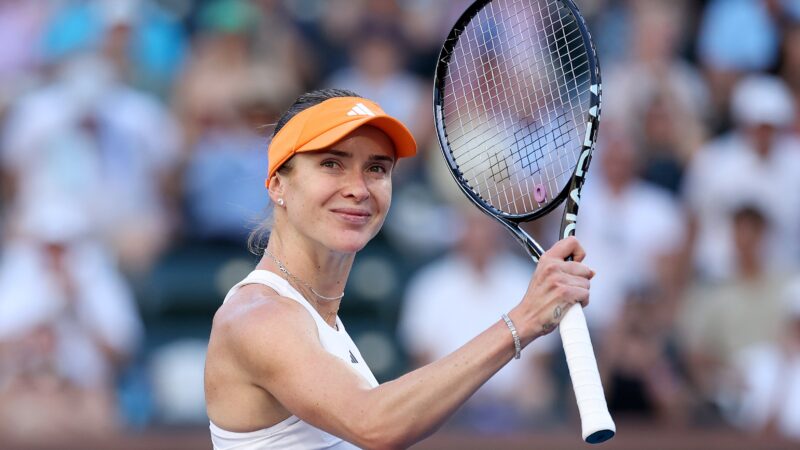
World No. 2 Iga Swiatek chooses quality over quantity in best of five debate
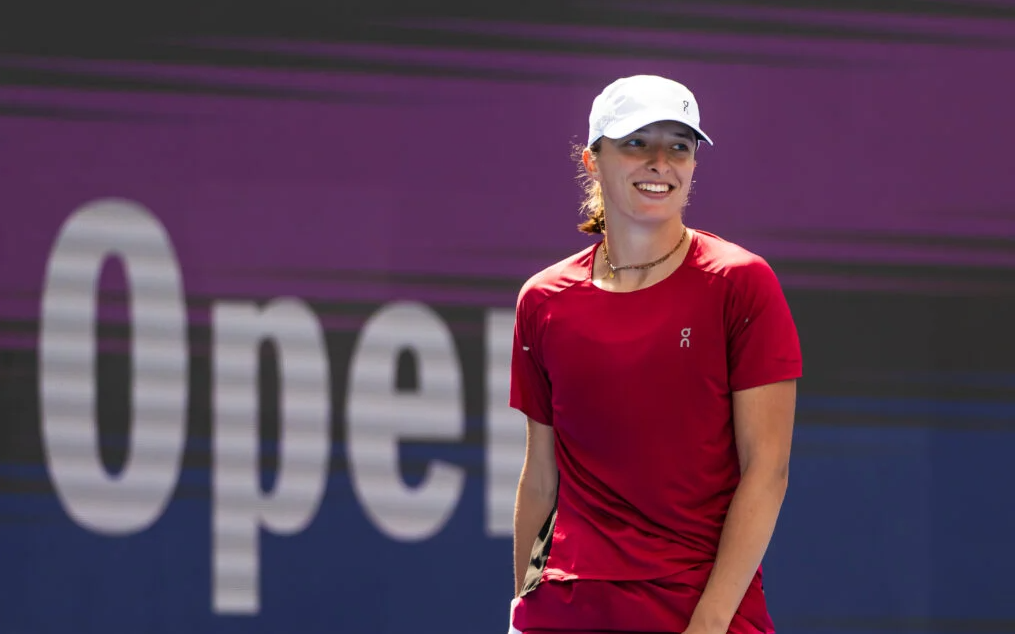
The humidity of the Middle East has a way of slowing down a tennis ball, but the conversation surrounding the sport is moving faster than ever.
As Iga Swiatek arrived in Doha, fresh off the emotional rollercoaster of a Melbourne campaign that ended in a sting rather than a trophy, she stepped into a press room that was ready to look past the baseline and into the very structure of the game.
The hot topic of the week wasn’t just the wind whipping through the Khalifa International Tennis and Squash Complex. It was the growing chorus of voices suggesting that women’s Grand Slam matches should transition from best-of-three to best-of-five sets.
It’s a debate as old as the Open Era, fueled by the push for equality and the desire for “marathon” drama. But the World No. 2, known for her cerebral approach to the game, isn’t buying the hype. For Swiatek, more doesn’t necessarily mean better.
“I think with the world right now that is kind of, like, speeding up, I don’t really think it makes sense for us to play such long matches,” Swiatek said, her voice steady and pragmatic. “Especially when I think it would be tough to keep the quality up throughout the whole match.”
It is a rare and refreshing take from a top-tier athlete.
In an era where “grind” is a mantra and physical limits are meant to be shattered, Swiatek is advocating for the preservation of excellence. Her argument is simple. The more you dilute the physical energy, the more you risk diluting the technical brilliance that brings fans to the stands.
There is a certain irony in Swiatek being the one to voice this skepticism. Standing as one of the fittest athletes on the WTA Tour, her heavy topspin and relentless footwork are built for the long haul. If the rule changed tomorrow, she would likely be the primary beneficiary of a format that rewards endurance.
“But if you ask specifically to my game, I consider myself one of the players that is like kind of tough in coping with endurance and longer matches,” she admitted. “I think maybe I would have some advantage.”
However, she isn’t interested in an advantage that comes at the cost of a sustainable career or a coherent season. Swiatek pointed out that the ripple effect of such a change would reach far beyond a single match on Rod Laver Arena.
“Honestly, I’ve never played such a long match, so I have no idea how my body would react,” she noted.
“I think also the whole season would change, because we would need to plan everything differently and prepare for these long, long matches. There would, for sure, be many, many more questions about the scheduling then.”
The scheduling “madness” is something Swiatek has been vocal about for years. With mandatory WTA 1000 events piling up and a calendar that offers precious few windows for recovery, the addition of five-setters could be the tipping point for player burnout.
Instead of looking for ways to lengthen the time on court, Swiatek spent her gap between Melbourne and Doha looking for ways to make her time on court more efficient.
She spoke of technical “intentions” rather than overhauls, twisting the body more on the serve and stabilizing the toss. It is the work of a perfectionist who knows that tennis is won in the margins of quality, not just the accumulation of hours.
As she prepares to hunt for her fourth trophy in the Qatari capital, her focus remains on the “step-by-step” process. She isn’t watching the men’s finals to see how they handle five sets; she is watching them to rest and analyze what happened in her own matches. She is, quite literally, cutting out the noise.