Gael Monfils claims his place as the ultimate master of French longevity
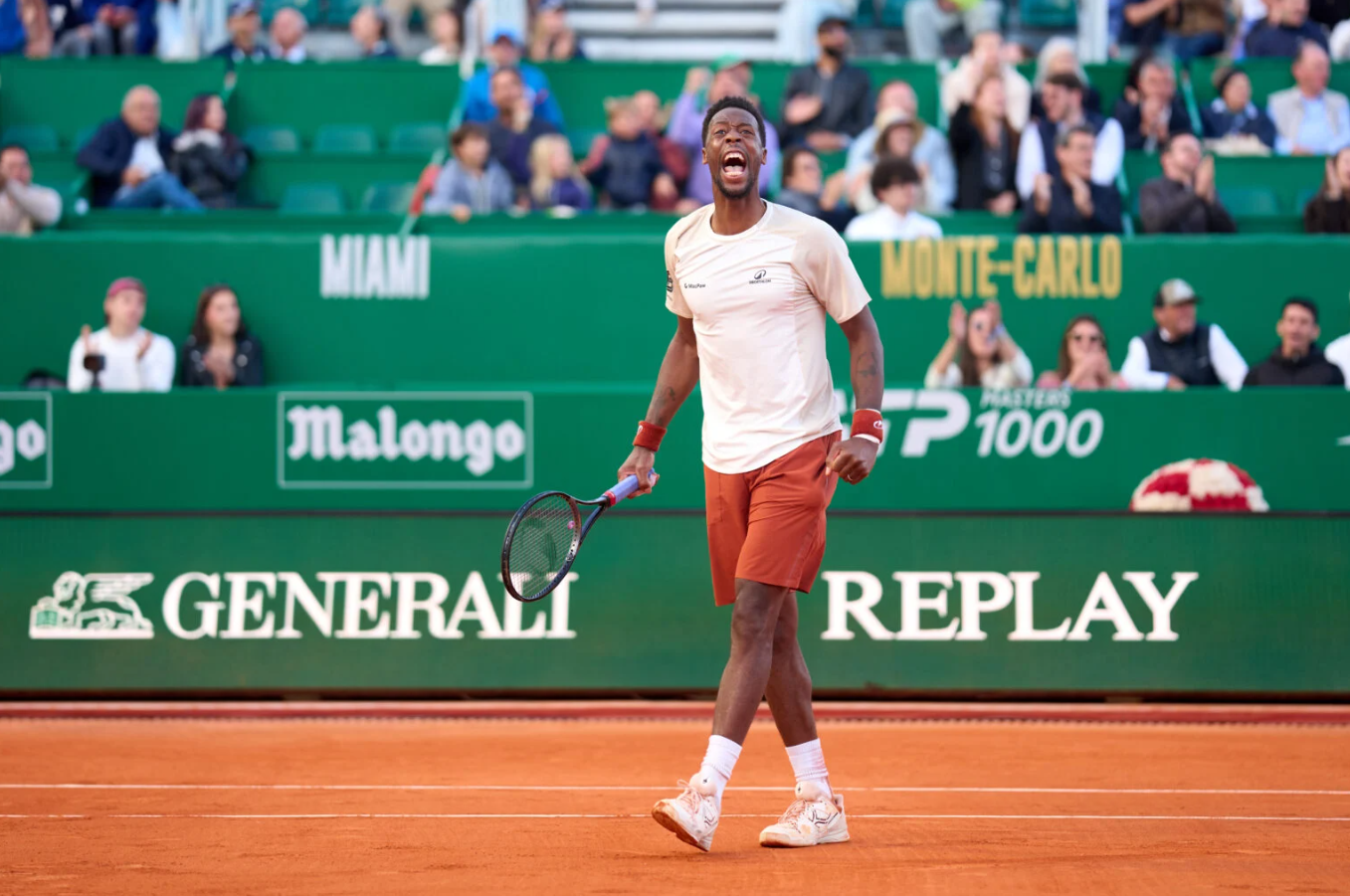
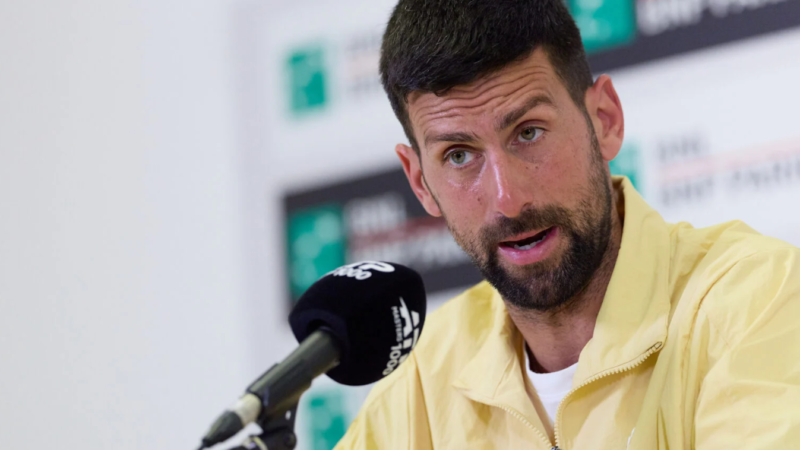
In the quiet, sterile environment of a post-match press conference, the adrenaline of the Monte-Carlo clay usually begins to fade into the stiffness of recovery.
For Gael Monfils, sitting before a bank of microphones after a grueling first-round victory, the conversation typically revolves around the mechanics of the slide or the heaviness of the balls. But at the 2026 Rolex Monte-Carlo Masters, the narrative shifted from the match at hand to the weight of history.
As a journalist leaned in to ask what the victory inspired in him, they dropped a statistical bombshell that seemed to catch the Frenchman off guard.
At 39 years old, Monfils had officially surpassed his lifelong friend and compatriot Richard Gasquet for the most career match wins at the ATP Masters 1000 level by a French player. The tally hit 145, a number that represents nearly two decades of elite-level survival.
Monfils paused, a look of genuine surprise crossing his face.
“I didn’t know, so I’ll take it, I’ll take it and all,” he admitted with a characteristic shrug and a smile. It was a vintage Monfils moment — humble, slightly detached from the record books, yet clearly appreciative of the longevity that has defined his late-career resurgence.
For followers of French tennis, this milestone is more than just a data point in a spreadsheet. It is a testament to a player who was once written off as a mere entertainer who lacked the discipline to endure.
Yet, here he is, in 2026, still sliding across the red dirt of the Mediterranean coast, outlasting the very peers who were once praised for their more traditional technical consistency.
To overtake Gasquet, a player synonymous with longevity and the Mozart of French shot-making, requires a physical and mental durability that few projected for Monfils back in his flamboyant twenties.
The match that secured the record was a microcosm of the Monfils experience. It was a battle against tension, a fickle opponent, and his own rhythm. “At the beginning I was a bit tense at the start. Well, I was even tense at the start,” he told reporters.
He described a chaotic opening set where his opponent’s erratic play made it impossible to find a groove. “He was taking—he was doing point, error, point, error, point, error, so it was hard to get adjusted,” he explained.
In his younger years, such a disjointed match might have seen Monfils check out mentally or lean too heavily into the showman persona to mask his frustration.
But the 2026 version of Gael is a seasoned strategist. He waited for the storm to pass, found his distance both shots, and eventually managed to tighten up the game when it mattered most at five-all in the second set. This ability to win ugly is why the record now belongs to him.
Masters 1000 tournaments are the most demanding events outside of the Slams, featuring condensed draws where there are no easy opening rounds. To win 145 of these matches, a player must be able to perform week-in and week-out against the top 50 in the world.
For Monfils, doing this while battling the inevitable slowing of the clock is what makes the feat remarkable.
Despite the milestone, Monfils remains grounded in the reality of his physical state.
He doesn’t speak like a man chasing ghosts or obsessed with legacies; he speaks like a craftsman who is still learning his trade on the dirt. “It’s the first match on clay, so I’m getting back into it progressively, let’s say,” he noted, acknowledging the “trouble moving the way I wanted” earlier in the day.
As he heads into the second round to face Alexander Bublik, a player he describes as “the most annoying, so to speak, to play,” Monfils carries the mantle of the most successful Frenchman in Masters history.
Whether he knew the stat before walking into the room is irrelevant. What matters is that in the twilight of his career, “La Monf” is no longer just a highlight reel; he is a monument to endurance. He’ll take the win, he’ll take the record, and most importantly, he’ll take the day of rest before doing it all over again.