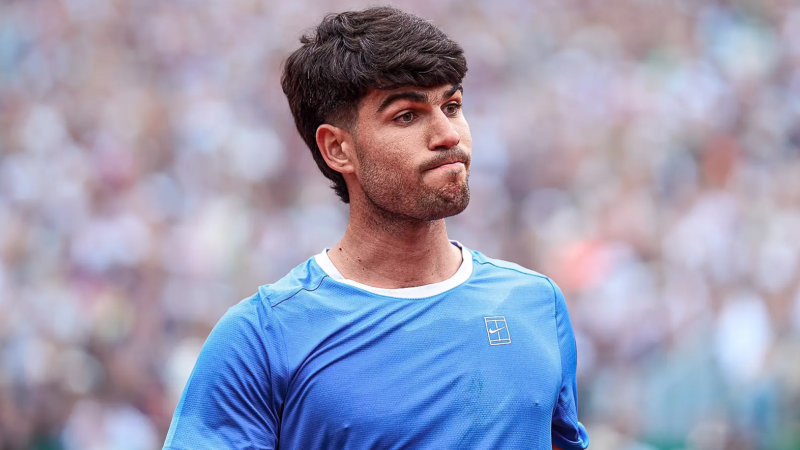
Novak Djokovic exposes the Tennis monopoly
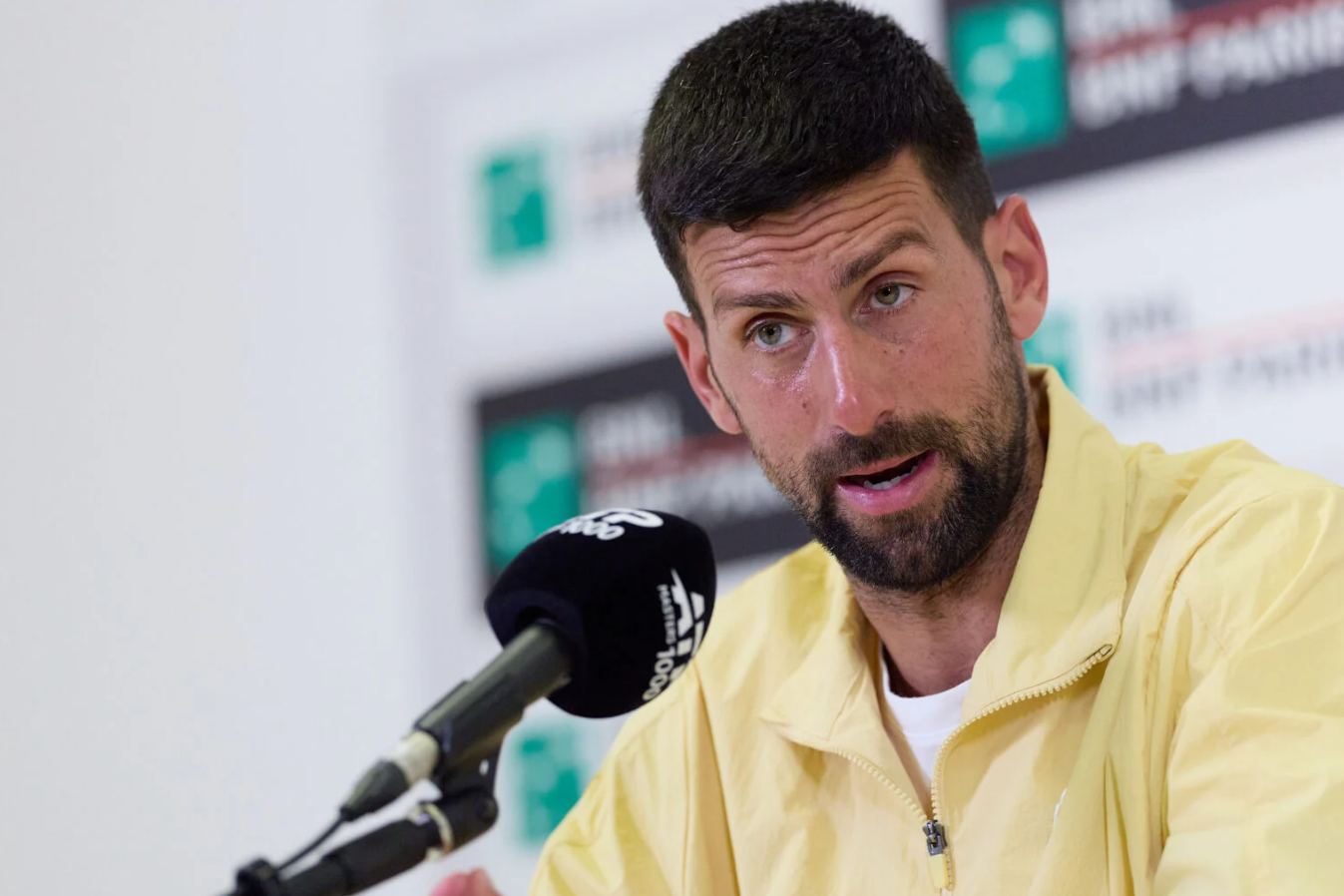
The sun beating down on the Foro Italico is usually enough to make anyone sweat, but for the governing bodies of tennis, the heat in the Rome press room on Thursday came from a much sharper source.
Novak Djokovic, the man who has spent two decades dismantling opponents on the court and the status quo off it was there to talk about a system he believes is fundamentally broken.
After a hiatus since Indian Wells, Djokovic’s return to the ATP Tour felt less like a comeback and more like a reckoning. While the official moderator welcomed him back with the polite decorum of the circuit, Djokovic was quick to pivot to the “hot topic” currently rattling the locker rooms.
The growing movement among players, spearheaded by figures like Aryna Sabalenka, to demand a seat at a table that has long been bolted shut.
For years, the narrative has been that the ATP Player Council is the voice of the athlete.
Djokovic, a man who lived that reality as the Council’s President, isn’t buying the PR version anymore. He speaks with the weariness of someone who has tried to move a mountain from the inside only to realize the mountain was actually a mirage.
“The monopoly of our sport is very strong,” Djokovic stated, his voice steady but firm. “If you go back when the ATP for example was founded back in, what is it, beginning of the ’90s or end of ’80s, the tennis has changed a lot, but there’s certain things within the structure that hasn’t changed.”
The “structure” he refers to is the complex web of seven governing bodies and four Grand Slams, a fragmented landscape that he argues leaves the players — the literal product of the sport — at a permanent disadvantage.
In his eyes, the sport has evolved into a global behemoth, yet the governance remains stuck in a bygone era, protecting a “monopoly” that leaves the modern athlete behind.
Perhaps the most stinging indictment from Djokovic’s session in Rome was his dismissal of the very councils he once led.
To the fans watching from the stands, the idea of an elected Player Council suggests a democratic balance of power. To Djokovic, it is a decorative feature of a house that doesn’t want the residents to have the keys.
“The players within the player council have really absolutely no power,” he remarked. “I’ve been there. I was president of the council. I’ve been there many years. In public you may think there is some power by electing the representative of players, then there’s a board, the whole structure is just conceptualized in a certain way where players are just not able to get what they want.”
This perceived helplessness is what drove him to co-found the Professional Tennis Players Association (PTPA). It wasn’t about adding another acronym to the sport; it was about stepping “outside of a system” that he believes is rigged by design.
While critics have often accused the world’s top earners of greed, Djokovic was quick to clarify that the fight isn’t about the multi-millionaires at the top of the draw. It is about the base level of the sport. The players whose names don’t end up on billboards but who are the lifeblood of the professional circuit.
“We are not talking about the lower-ranked players, the tier one, the ground base level of the tennis players that are struggling,” Djokovic explained.
“They’re leaving tennis because of no funding. We are I think the only global sport… where we don’t have a certain financial, say, gains or guarantees for the lower-ranked players.”
He painted a stark picture of the Profit and Loss (P&L) of a journeyman pro, where travel, coaching, and team costs often eclipse the prize money earned, leaving nothing for the future.
For Djokovic, the fact that such a small number of professional athletes can actually live out of this sport is the ultimate proof that the system is failing.