The long road back to the winning circle for Arthur Fils
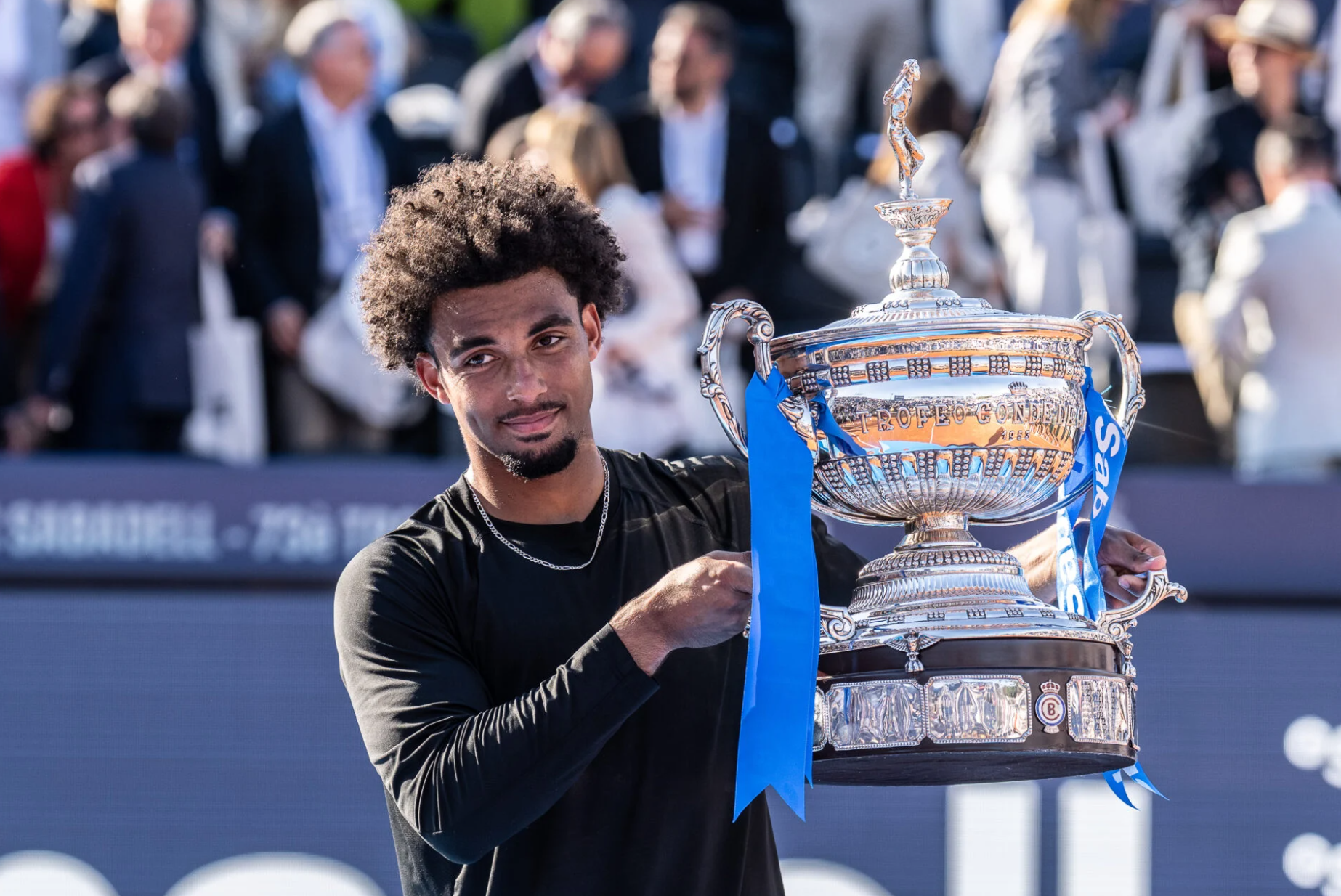
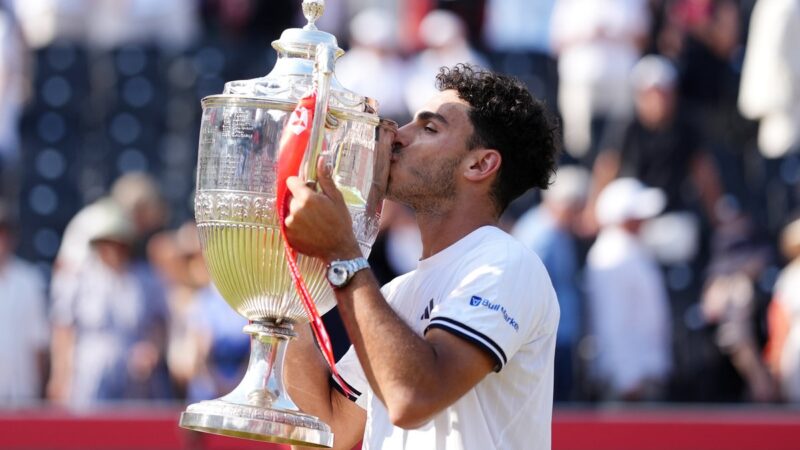
The trophy in Arthur Fils’ hands at the Barcelona Open felt heavier than usual.
It wasn’t just the weight of the silver or the prestige of joining the list of champions etched into the tournament’s history. It was the weight of the 240 days that preceded it.
In the high-speed, “what have you done for me lately” world of the ATP Tour, eight months is an eternity. For a rising star like Fils, it was a test of patience that nearly broke the rhythm of a career that had previously known only an upward trajectory.
Sitting before the press in the wake of his victory, the 21-year-old Frenchman had the raw relief of a man who had finally stopped holding his breath.
“Feels good, feels very good. It’s been a long time I didn’t lift the trophy,” Fils admitted, his voice carrying the exhaustion and exhilaration of the week.
“Also it’s been a long time I was not on the court for eight months. So now to to be back at that level at that winning circle it it means a lot and it feels feels very good.”
For the tennis world, Fils’ absence was a missing spark. A void where a high-octane, fearless baseline game used to be. For Fils himself, it was a period of isolation.
Reclaiming his place in the winning circle required physical rehabilitation and a complete recalibration of his mental approach to the game.
The final against a grueling opponent was a microcosm of his entire journey. Leading 5-3 in the second set and serving for the title, the ghost of his long layoff seemed to haunt the baseline.
He played a scattered, nervous game that saw him broken back, a lapse that could have sent a lesser player spiraling into a third-set collapse.
Even his coach, the legendary Goran Ivanisevic, didn’t mince words about the dip in form. Fils recounted with a smile: “Goran told me that maybe it’s the worst game that he saw in the ATP. He’s maybe right.”
But this is where the new Arthur Fils showed his growth. The player who had spent eight months watching from the sidelines had learned the value of the present instant.
Rather than panicking over the lost break or the harsh critique from his box, he stayed anchored.
“I just had to stay calm even though I lost the game at five. Just have to stay calm and if it’s going to a third set it’s going to a third set it’s not a big deal,” he explained.
It is this newfound perspective — the ability to view a potential third set not as a disaster, but as a manageable “not a big deal” — that separates the prodigy he was from the champion he is becoming.
Fils noted that his struggles during the final came from a momentary lapse in this philosophy.
“I think I project myself so that’s why I got broken back and I played not very good games. But it’s okay. It’s still have to to gain some experience on that,” he said.
The admission is striking. Even in victory, he is a student of his own psychology.
The victory in Barcelona was about the validation of a return. When asked if this was the best week of his life, Fils remained humble, pointing instead to a week in Tokyo where he played “some crazy matches.”
However, he acknowledged that Barcelona represented a different kind of peak: “This week was maybe one of the week that I was the most focused on the court and that’s why I probably won.”
As he celebrated with the ball kids, many of whom shared his French heritage, and took the traditional plunge into the tournament swimming pool, the eight months of rehabilitation seemed like a lifetime ago.
The “winning circle” is a difficult place to reach and an even harder place to return to after a long injury. Arthur Fils has returned. And he has also evolved.