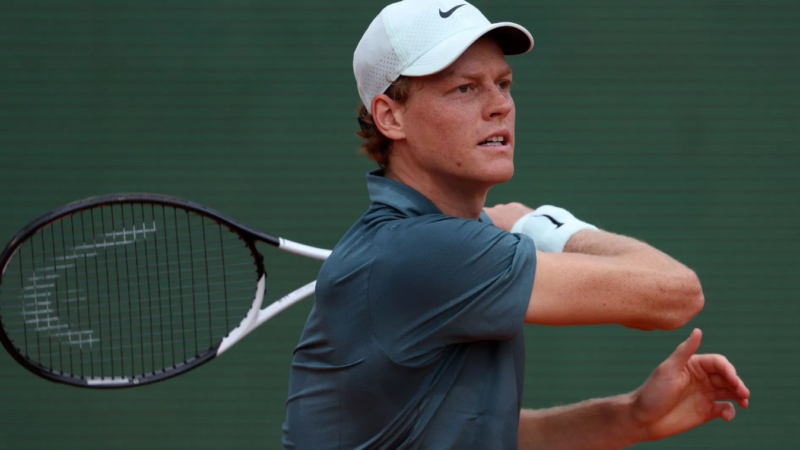
The mental trap that forces Carlos Alcaraz to hesitate
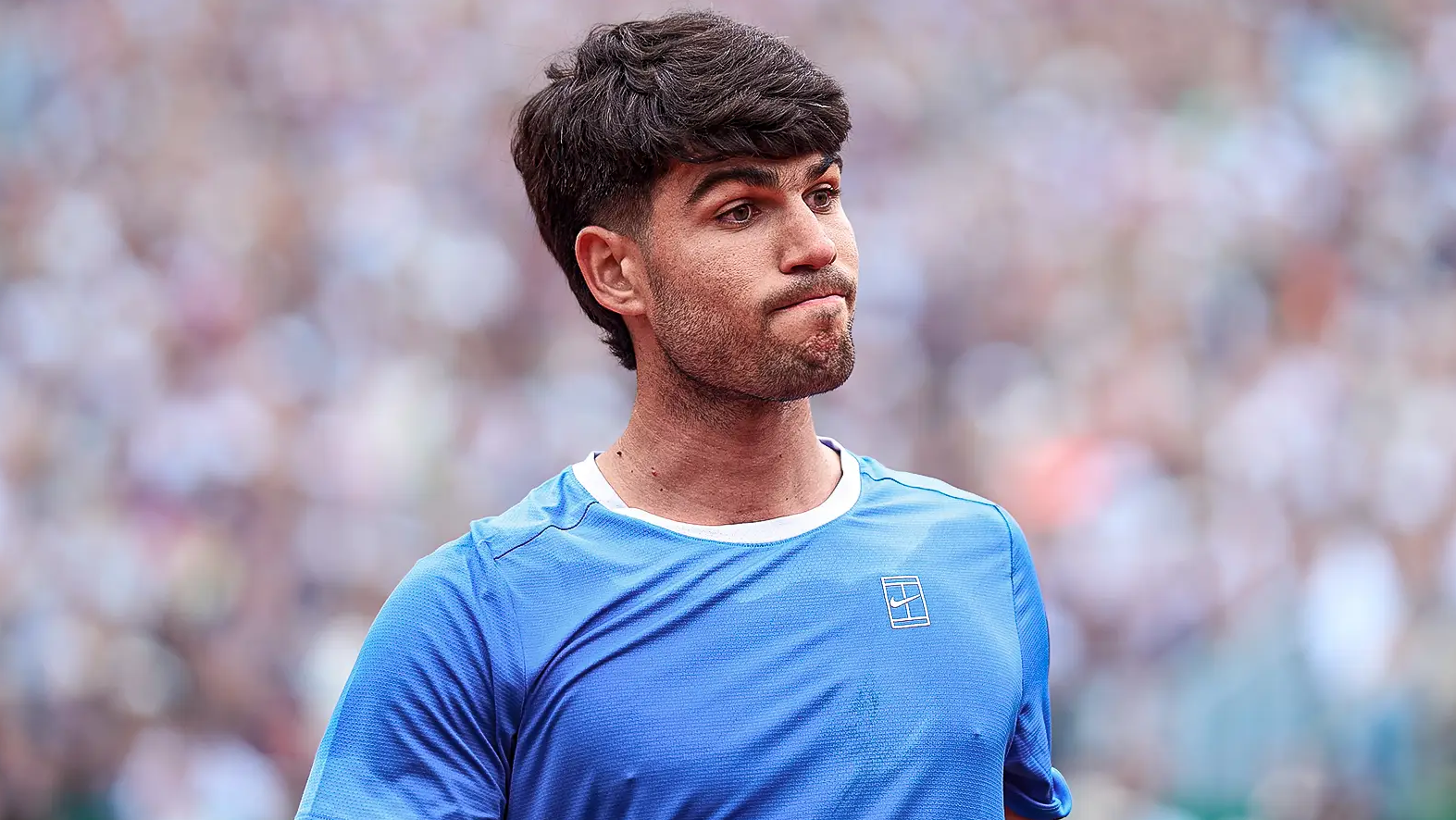
In the sun-drenched arena of the Monte-Carlo Country Club, Carlos Alcaraz looks like a man who has solved the most difficult puzzle in sports.
His 6-1, 6-3 dismantling of Sebastian Baez on Tuesday was a masterclass in clay-court geometry, a performance so fluid that even the Spaniard himself admitted to being startled by his own efficiency.
But as the conversation shifted from his dominant forehand to the psychological undercurrents of the ATP Tour, Alcaraz pulled back the curtain on one of the sport’s most deceptive traps.
The injured opponent.
Tennis is a game of ruthless exploitation. Usually, if a player smells blood — a hitch in a serve, a gingerly placed ankle — the instinct is to attack. Yet, for Alcaraz, and many within the top flight of the game, the sight of a limping rival can be more paralyzing than a 140-mph serve.
During his post-match reflections, Alcaraz was asked about the unique mental burden of facing a player who isn’t at 100 percent.
His response was a fascinating glimpse into the mind of a prodigy who, despite his seven Grand Slam titles and world-beating athleticism, still finds himself grappling with the human element of the game.
“When that happens, it feels like, you know, the match or the next point, it isn’t that important, I would say,” Alcaraz explained, struggling to pin down the exact sensation of the shifting momentum.
“I don’t know how to explain it, but it feels like you’re thinking about more the opponent than yourself, than the things that you have to do.”
This is something called the Sympathy Snare.
In a sport defined by intense focus and staying in your own bubble, an opponent’s physical distress acts as a needle that pops that bubble. The clarity of one’s own game plan is suddenly clouded by a cocktail of empathy, confusion, and a dangerous drop in intensity.
The danger, Alcaraz suggests, isn’t just that you feel for your friend across the net. It’s that the technical foundation of your game begins to erode. When the opponent is hobbled, the court suddenly feels smaller, and the stakes feel strangely distorted.
“That’s why it becomes a little bit tricky, when you’re playing or when you’re in that scenario, when you’re thinking about the opponent or something,” Alcaraz said. “He’s injured or he’s having or is feeling a little pain and is still playing great and is still playing good, it feel like I don’t know what I should do.”
It is the great paradox of professional tennis. A player with nothing to lose and a physical ailment often starts swinging from the hip, playing with a reckless abandon that can catch a healthy favorite off guard. For Alcaraz, this leads to a fatal shift in strategy. The transition from aggression to hesitation.
“And you are starting to play, I would say, for not missing the ball than going for it,” he admitted. “I would say that’s where it becomes a little bit tricky.”
In those moments, the ‘Carlitos’ the world loves — the one who uncorks audacious drop shots and hunts for lines — disappears.
In his place is a player trying to not miss, a defensive posture that invites disaster. It is a psychological stalemate where the healthy player becomes the one who is truly handicapped.
As the clay-court season accelerates toward Roland Garros, Alcaraz’s awareness of these mental traps is as vital as his slide on the red dirt.
He has spent his life mastering the physical demands of this surface, noting that he has grown up playing on clay his whole life. But the internal battle remains the final frontier.
Against Baez, there were no such complications. Alcaraz was free to move, free to hit, and free to surprise himself with his own level of play after a year away from the dirt.
But by vocalizing the struggle of the injured opponent, he has signaled a growing maturity. He recognizes that to be the best in the world, one must not only defeat the person across the net but also the empathetic instincts that threaten to derail a champion’s focus.