Iga Swiatek sounds the alarm on shrinking revenue shares
The Foro Italico, with its towering marble statues and sun-drenched red clay, has always served as a temple to the tradition of tennis. But as the 2026 edition of the Italian Open begins, the conversation in the press room has shifted from top-spin forehands to the cold, hard mathematics of revenue shares.
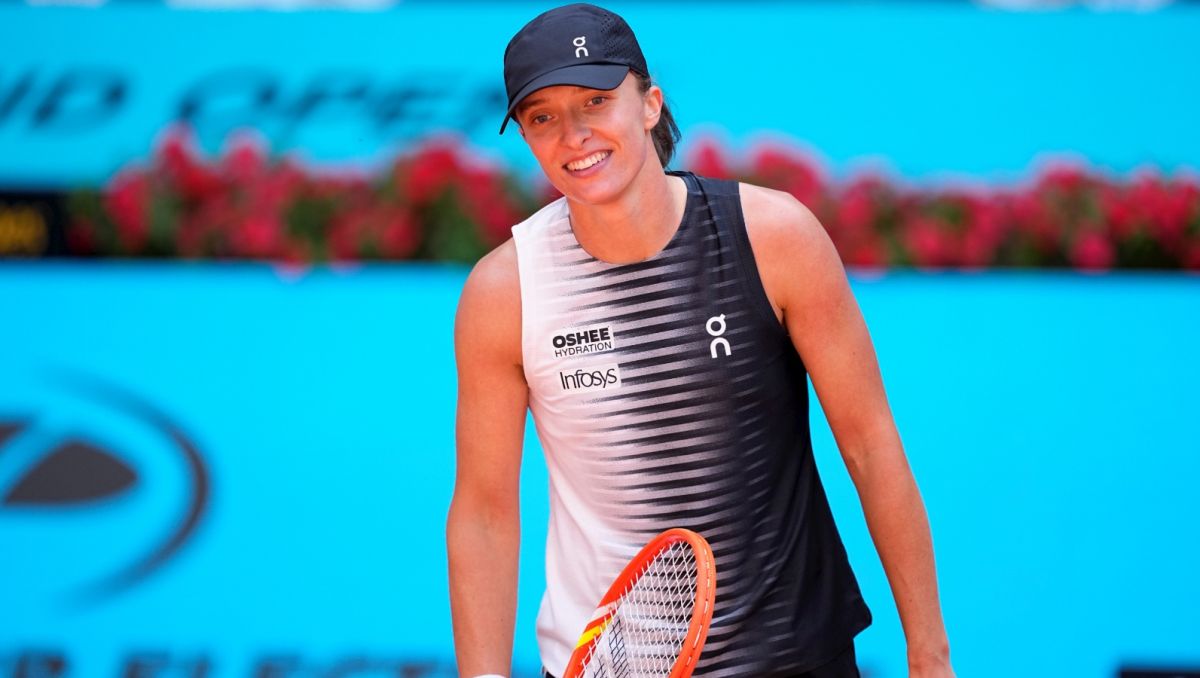
At the center of the storm is Iga Swiatek.
Just days away from her quest for a fifth Roland Garros title, the world’s premier clay-court player finds herself at a crossroads.
While her rivals, led by World No. 1 Aryna Sabalenka, have begun whispering the word boycott in response to stagnant Grand Slam payouts, Swiatek is attempting to navigate a more nuanced but equally firm path.
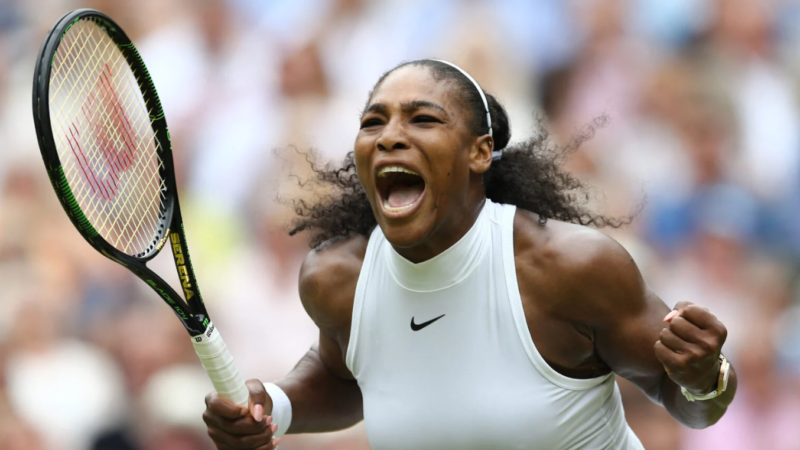
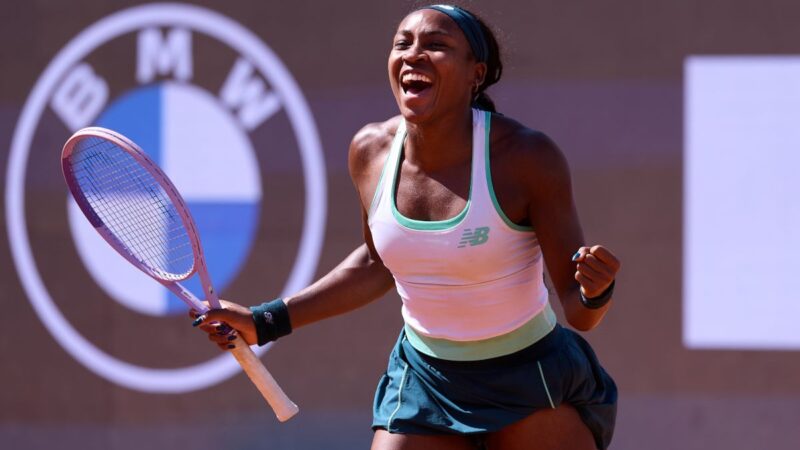
The tension stems from a joint statement released earlier this week by a coalition of top players, including Swiatek, Sabalenka, and Coco Gauff. The group expressed “deep disappointment” with the French Open’s financial structure.
While tournament organizers touted a 10% increase in prize money for 2026, the players argue that the figure is a smokescreen. The underlying data suggests that as the tournament’s total revenue skyrockets, the percentage actually reaching the athletes is in a steady decline.
“I think we’ve been pretty reasonable in terms of our proposal and getting the fair share of revenue,” Swiatek told reporters in Rome, her tone measured but unmistakable. “I think the ‘increase of prize money’ is not exactly, you know, what we wanted because the percentage of revenue is going down.”
For Swiatek, the issue isn’t just the number of zeros on a check; it’s about the transparency of the partnership between the athletes and the institutions that profit from them.
The players claim their share of Roland Garros revenue has slipped from 15.5% in 2024 to a projected 14.9% this year. They are holding firm on a request for 22%, a figure they believe reflects the true value they bring to the broadcast and gate receipts.
The atmosphere in the locker room has changed. The days of players operating as isolated islands are fading. Swiatek pointed to the solidarity built during the COVID-19 pandemic and the collective response to the war in Ukraine as the foundation for this new era of player power.
“I think we have, like, good communication between us,” she noted. “Sometimes if it’s an important topic, we are ready to speak together.”
However, when the conversation turned to the “nuclear option” — a full-scale strike at a Major — Swiatek remained the pragmatic diplomat. While Sabalenka recently suggested that a boycott might be “the only way to fight for our rights,” Swiatek is not yet ready to put down her racquet.
“But boycotting the tournament, it’s a bit extreme kind of situation,” she admitted.
“I don’t know. I guess we as players are here to play as individuals, and we’re competing against each other. There have been, like, situations like that, so it’s really hard for me to say how it would work, if it’s even there on the picture. For now, I haven’t heard anything.”
Instead, Swiatek is leaning into the power of the table rather than the picket line. She expressed a cautious optimism that the WTA is becoming more receptive to the players’ voices than in years past.
She also credited the work of the WTA Player Board — specifically citing Jessica Pegula — for shouldering the administrative burden so the rest of the tour can focus on their process.
“I would say I’ve been pretty active like 2022, 2023,” Swiatek reflected. “But sometimes it was pretty hard to achieve anything. I think right now the situation has changed a little bit. WTA seems more open to help players and to discuss. I think now it’s a good time for players to be active.”
For Swiatek, the focus remains on the immediate horizon. The 1000-level points in Rome and winning the crown in Paris. But the message to the governing bodies was clear. The players are looking at the ledgers.
“I think the most important thing honestly is to have like proper communication and discussions with the governing bodies so we have some space to talk and maybe negotiate,” she concluded. “Hopefully before Roland Garros there’s going to be opportunity to have these type of meetings and we’ll see how they go.”