Manacor magic and a new chapter for Iga Swiatek
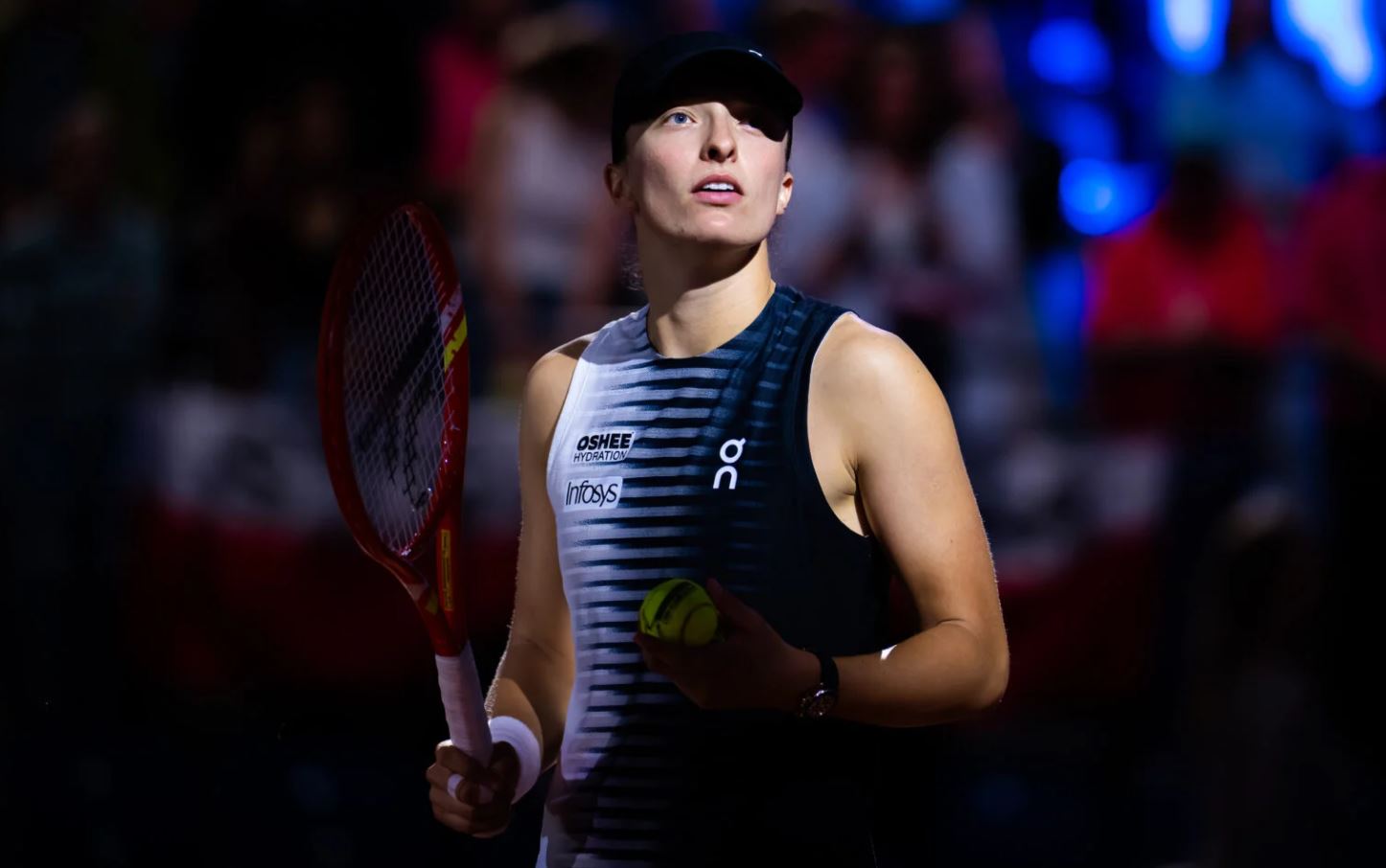
The red clay of the Porsche Arena has always felt like a second home to Iga Swiatek, but as she stepped onto the court Wednesday for her opening match of the 2026 season, the familiar surroundings masked a radical transformation.
Just days ago, the Pole was not in the lush greenery of Baden-Württemberg, but under the Mediterranean sun in Manacor, Mallorca.
Seeking a new beginning after a challenging hard-court swing that ended with a disappointing exit in Miami, Swiatek returned to the Rafa Nadal Academy — a place she has frequented since 2018 — for a 10-day training block that may well define the next phase of her career.
For the three-time Roland Garros champion, the trip to Mallorca was a tactical intervention.
After parting ways with her previous team, Swiatek officially unveiled a partnership with Spanish coach Francisco Roig. Roig, a veteran who spent 17 years in Rafael Nadal’s inner circle, is tasked with a specific mission. To restore the solidarity and grit that made Swiatek an untouchable force on dirt.
“I feel like I have a clarity of what to do on the clay court, and I totally agree with what Francisco wants to show me,” Swiatek told reporters following her 6-2, 6-3 victory over Laura Siegemund.
“Francisco had similar point of view, so I wasn’t, you know, looking at Polish coaches, because we don’t have that many coaches, you know.”
The most striking byproduct of the Mallorca session was visible from the first game.
Swiatek has completely overhauled her serve motion — a high-stakes gamble for a player of her stature. In professional tennis, tinkering with service mechanics is often likened to changing a golfer’s swing mid-tournament. It requires immense mental fortitude to trust the new motion when the score tightens.
“I changed my serve motion obviously, so this is something that I’m happy about,” she admitted.
“For sure I need matches to just have repetition, you know. On the practice court, it’s already smooth. Sometimes today on the matches I felt like I did some movements perfectly, but somewhere, you know, like the old serve. So it needs time, for sure.”
The decision to seek out Roig and train at Nadal’s facility highlights Swiatek’s desire to get back to basics.
Her recent losses were characterized by a tendency to rush during rallies, moving away from the suffocating, methodical baseline pressure that is her trademark. Roig’s philosophy is built on the same clay-court DNA that powered Nadal to 14 titles in Paris.
“I was looking for someone who has experience with practicing, with knowing how to play on clay and also will have the same kind of ideas in terms of getting back my solid game and not really rushing in the rallies,” Swiatek explained.
While the technical changes are significant, the emotional weight of practicing alongside her idol cannot be understated.
Reports from the Academy confirmed that Nadal himself was on court during several of Swiatek’s sessions. For a player who has often cited Nadal as her primary inspiration, the experience served as a psychological reset.
“It’s a new chapter, for sure, a new process,” she noted, reflecting on the transition. “I feel like I remembered well what I had in mind on practices, and I was ready to do that on the court. You can’t expect that after… you can’t expect it’s all going to be there already automatically.”
The match against Siegemund was a laboratory. Swiatek was seen experimenting with her return positions and showing a deliberate willingness to engage in longer, loopier rallies.
As she moves deeper into the Porsche Tennis Grand Prix, she is under no illusions that the “Manacor Magic” will provide an overnight fix. She is preaching a rare commodity in the high-pressure world of the WTA: patience.
“If everyone could do 100% every match the ideas, they would win everything, so I need to have space to have some matches and try things out and see how it works,” she concluded with a smile. “Maybe I wasn’t completely patient on the court, but I’m trying.”