The brutal mental tightrope of Linda Noskova’s Wimbledon triumph
The locker room corridor at the All England Club is notoriously narrow, a claustrophobic space where history rubs shoulders with the present, and where opponents are forced into an uneasy proximity just moments before walking out into the ultimate spotlight.
For Linda Noskova and Karolina Muchova, that walk carried an extra layer of psychological weight. They were two Czech compatriots vying for the most prestigious prize in tennis. But more importantly, they were also friends.
But as they stood waiting for the doors to swing open ahead of the Wimbledon final, Noskova made a definitive, unsentimental choice. There would be no shared smiles, no comfortable pre-match banter, and no acknowledgment of the bond they shared outside the white lines.
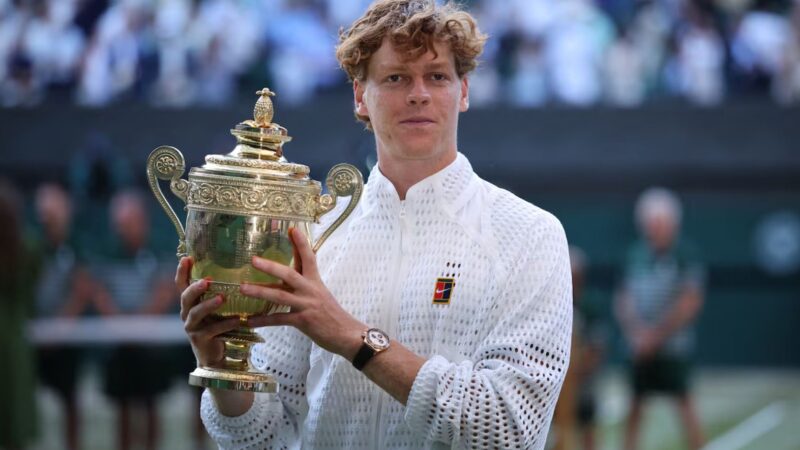
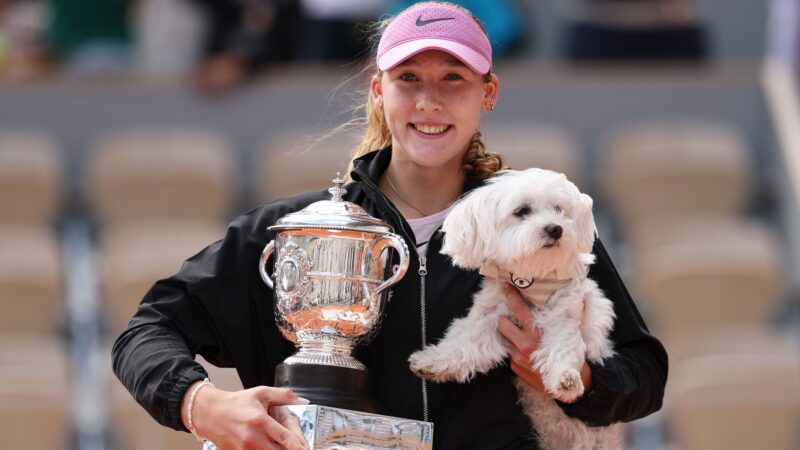
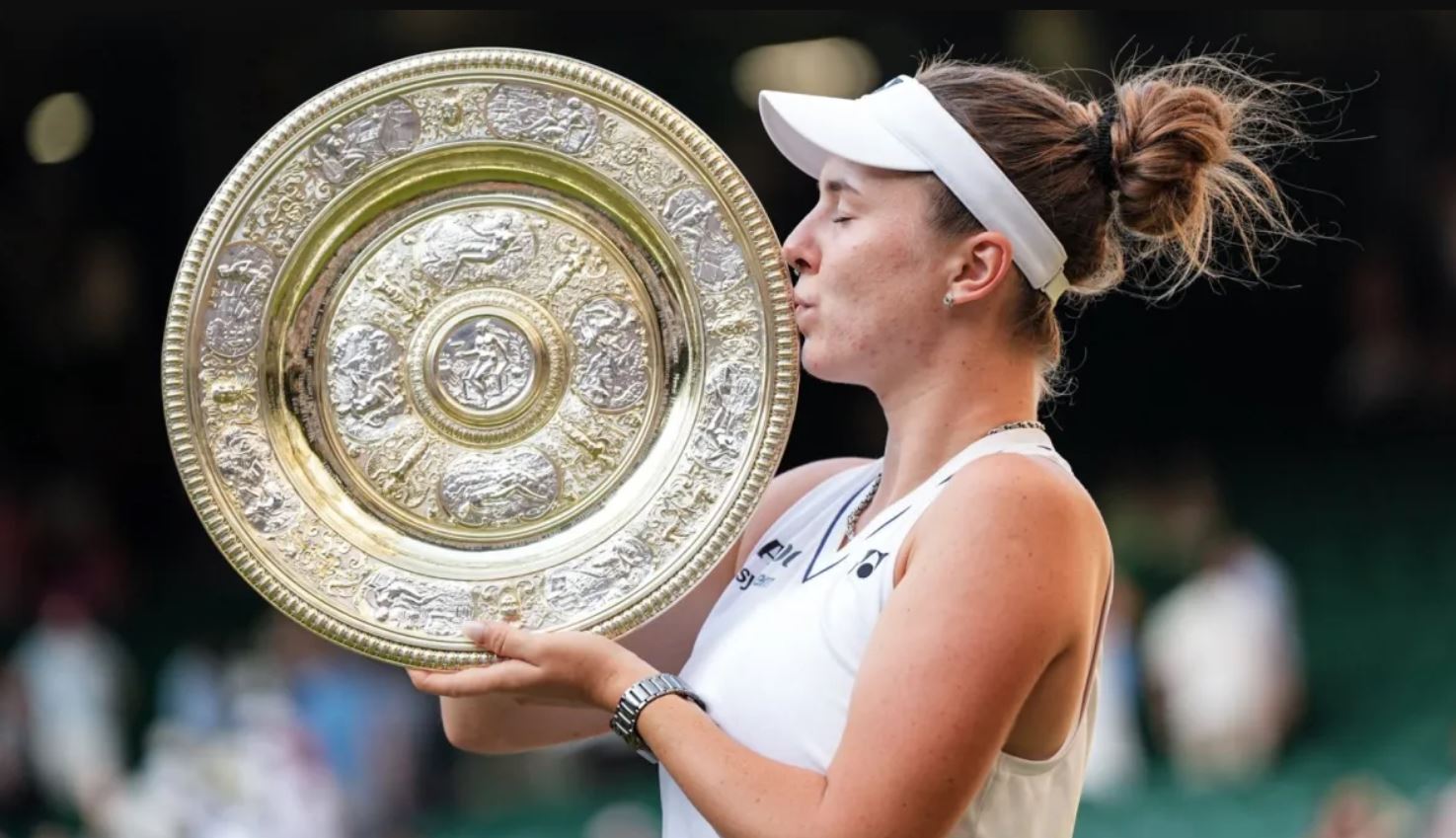
“This time I kind of wanted to keep the distance, I guess,” Noskova admitted afterward, her arms cradling the Venus Rosewater Dish. “We just waved hi at each other and that was all before the match.”
It was an ice-cold calculation, a deliberate severing of emotional ties that set the tone for a grueling 6-2, 5-7, 6-3 victory.
In a sport as fiercely insular as tennis, navigating the boundary between personal affection and professional execution is one of the most agonizing tightropes a player can walk. To win her maiden Grand Slam title, the young Czech realized she had to treat a close friend like a roadblock.
“For me, it’s never easy to play a friend,” Noskova said. “I’ve made a few friends on tour. Whenever we play each other, it’s never easy.”
That emotional detachment worked flawlessly for the better part of an hour, as Noskova blistered through the opening set, her heavy baseline hitting carving Muchova apart.
But a tennis match, let alone a Wimbledon final, is rarely a straight line.
When Noskova’s hand froze while holding five championship points in the second set, the narrative threatened to shift from a tactical masterclass to a tragedy of nerves. Muchova, a resilient and tricky competitor at 29, reeled off five consecutive games to steal the set and send the Centre Court crowd into a frenzy.
Suddenly, the familiar specter of their friendship loomed. It would have been easy to let empathy or shared history soften the competitive edge, to look across the net at a veteran friend seizing the momentum and succumb to the script.
But Noskova retreated into herself, pulling a towel over her head to block out the roaring stadium, executing a ruthless mental reset that her coach had advised the night before.
When she returned for the deciding set, the professional wall went back up. Noskova knew exactly what she was up against. “I know Karolina’s game,” she noted. “She’s a tricky player to play on any surface. I had to keep being focused.”
By the time Noskova finally closed out the match on her first attempt in the third set, the relief was palpable, stripping away the immense stress of the preceding two hours. But the conclusion brought its own bittersweet reality. At the net, Noskova was met by a defeated friend who, at 29, had just watched perhaps her best chance at Wimbledon glory slip away.
The image of the two Czechs embracing at the net was a poignant reminder of the tournament’s human cost. For Noskova, the joy of the triumph was absolute, yet she remained acutely aware of the delicate nature of the relationship she had to temporarily suspend to achieve it.
“I don’t think that the fact that we are friends, we still are friends—hopefully—didn’t help me in some moments or something like that,” Noskova said with a tentative smile, a rare flash of vulnerability from a champion who had spent the afternoon displaying a killer instinct.