Why Aryna Sabalenka and elite Tennis stars are fighting for the tour’s survival
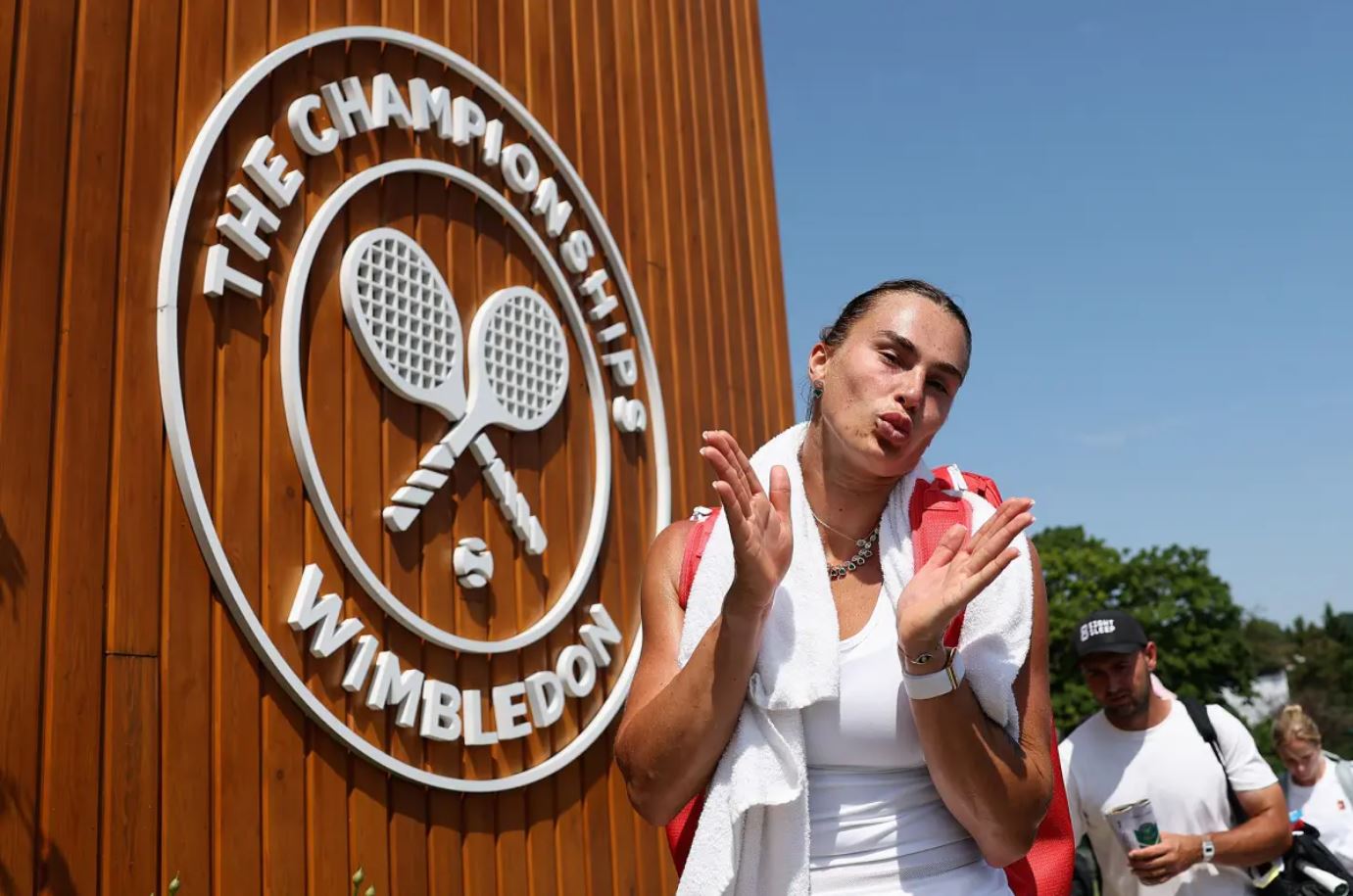
The pristine white kit of Wimbledon has always projected an image of effortless elegance, tradition, and polite decorum.
But beneath the immaculate grass-court surface at SW19, a fundamental labor dispute is brewing, and the sport’s biggest stars are no longer willing to just play their part in the show.
When World No. 1 Aryna Sabalenka took her seat in the Wimbledon press room, the atmosphere was already charged.
The All England Club had recently announced a historic 20% increase in prize money for the tournament, pushing the total prize purse to a record £64.2 million. On paper, it looks like a staggering victory for the players. The eventual singles champions will walk away with a cool £3.6 million check.
But instead of basking in the glow of a lucrative fortnight ahead, Sabalenka and a core faction of elite players are holding the line, using restricted media availability as a bargaining chip.
To the casual observer, the optics can be jarring. A reporter in the room voiced the exact sentiment bubbling among fans who are priced out of the sport they love, asking Sabalenka how it looks to a public paying more for tickets every year when athletes receiving a 20% raise remain publicly unsatisfied.
Sabalenka didn’t flinch. Instead, she reframed the entire conversation from one of personal greed to systemic labor advocacy.
“Listen, we do it for the tour, we don’t do it for ourselves,” Sabalenka stated firmly. “We do it for the rest of the players who are suffering to even hire coach. It’s not an easy life for players who is, like, lower in the ranking. So we do it for them.”
This is the hidden reality of professional tennis. While the top 50 players in the world enjoy lucrative sponsorship deals and multi-million dollar paydays, those sitting outside the upper echelon operate on razor-thin margins.
Traveling the global circuit, paying for accommodation, flights, and hiring a full-time coach can easily cost upwards of $150,000 a year. For a player ranked 150th in the world, a first-round exit at a Grand Slam is a financial lifeline required just to break even.
The current dispute centers heavily on how the Grand Slams distribute their massive wealth.
While Wimbledon’s historic 20% raise is a step forward, players argue that the payout represents only about 15% of the tournament’s total revenue — a figure that actually lags behind historical percentages.
“It’s a great start they raise the prize money. It’s an amazing start,” Sabalenka admitted, acknowledging the shift while keeping the broader timeline in perspective. “If you look over the last 10 years, if you compare the prize money to 2016, it’s kind of like the same because they went down.”
For Sabalenka, the math simply doesn’t add up when weighed against the exponential commercial growth of the sport’s four major cornerstones.
The elite players are leveraging their star power not to line their own pockets, but to force the Grand Slams to treat the athletes as true partners in that growth. By limiting their media commitments — a tactic that began at Roland Garros — the players are hitting tournaments where it hurts: the global publicity engine.
It is a high-stakes game of corporate chess, but Sabalenka remains optimistic that a permanent resolution is within reach, provided the stakeholders are willing to listen.
“I really hope we can finally get to the table and really get it done, come to conclusion that everyone going to be happy with. Hopefully we’ll never have to do it again,” she said.
The Belarusian powerhouse also dismissed any notions of a breakdown in communication between player representatives and the All England Club over proposed fixes, like a new player council. Instead, she maintained that the player group is unified and fully aware of the board.
Ultimately, Sabalenka believes the fans sitting in the stands at Centre Court will look past the headlines and understand the broader mission driving the locker room.
“I’m more than sure the crowd understand us. I mean, we’re playing matches, we’re there, we’re competing, we’re bringing the show. Now we just limiting our media. We just trying to really get to something that everyone going to be happy with.”